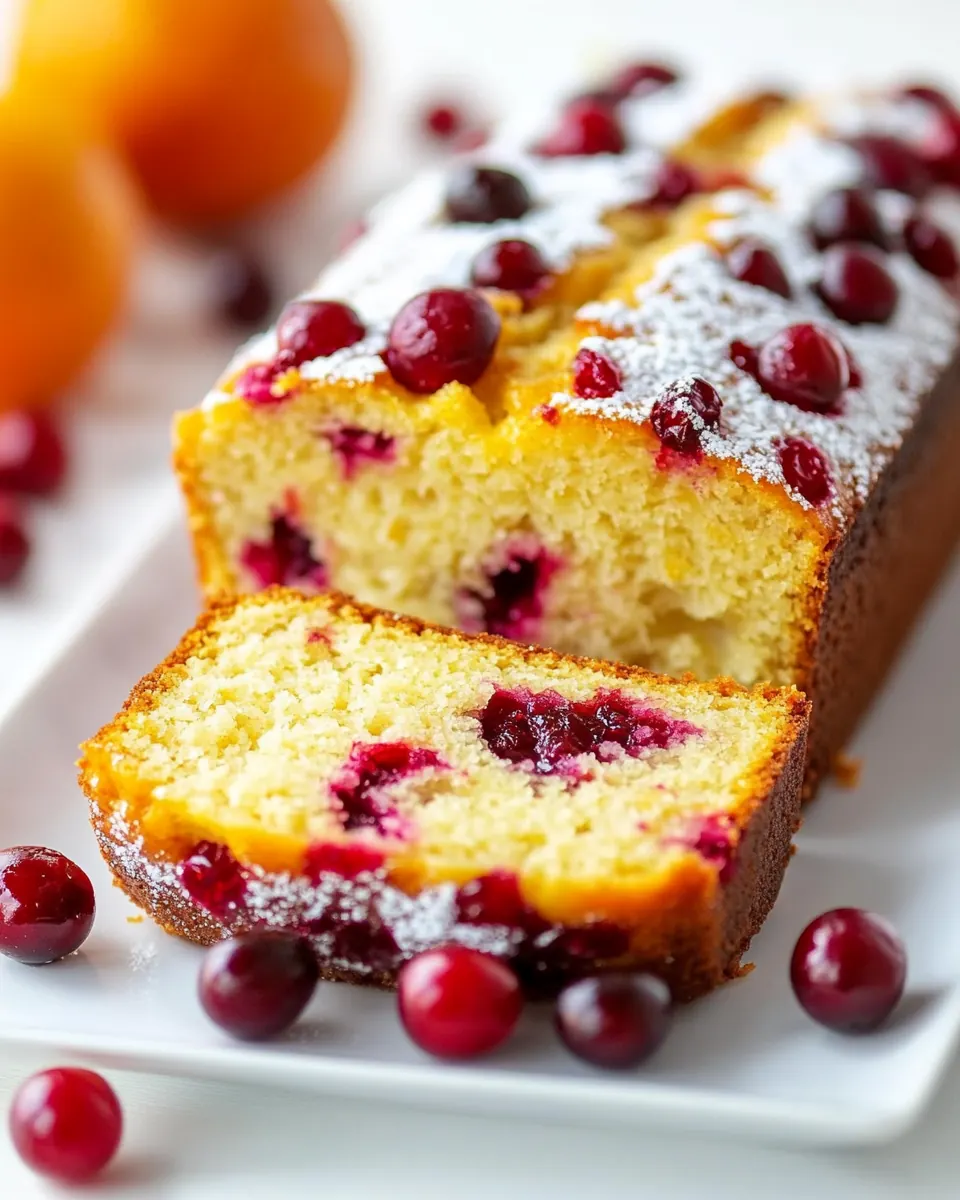
Cranberry Orange Loaf
Cranberry Orange Loaf has been one of those recipes I reach for when I want a single dessert that feels like a celebration and like a cozy afternoon all at once. The first time I baked it I was juggling a busy morning and a last minute invite, and the bright scent of orange zipping through the kitchen quickly became the thing everyone commented on. I remember nudging the cooling loaf toward the window to let it finish setting, while stealing a warm slice with sticky glaze on my fingertips.
I love how the tartness of fresh cranberries cuts through the sweet, tender crumb, and how the orange syrup soaks into the loaf in the best way, making each bite both fruity and comforting. Over the years I have tweaked small things, noticing how the loaf responds to room temperature butter and a gentle fold of the berries, and those tweaks always reward you with a loaf that slices clean and tastes bright. This version is simple enough to make on a weekday, yet special enough to bring to a holiday table.
Recipe Snapshot
1 hr 15 mins
35 mins
40 mins
Medium
220 kcal
American
Gluten-Free, Low FODMAP
Desserts
9×5 inch loaf pan, Mixer, Mixing bowls, Spatula, Cooling rack
Why This Cranberry Orange Loaf Hits Different
Bright, balanced flavor
I love that Cranberry Orange Loaf delivers a lively contrast between the sweet cake and the tart cranberries, which keeps each bite interesting. The orange juice and zest lift the whole loaf, so it never feels cloying even with the glaze. That interplay is why I come back to it when I want something with personality.
Textural harmony
The crumb is tender because of the combination of creamed butter and a bit of vegetable oil, while the occasional burst from a whole cranberry keeps it lively. I like a loaf that isn’t dry, and this one stays moist for days when stored correctly.
Easy to scale and share
I appreciate how forgiving the batter is, which makes Cranberry Orange Loaf one of those recipes you can double for a brunch or halve for a smaller household. It bakes consistently in a 9 by 5 loaf pan, and the glaze hides minor imperfections, so it is always presentable.
Versatile for occasions
This loaf is at home on holiday brunch tables, casual coffee mornings, or as a simple dessert after dinner. It feels festive without requiring special equipment, and it travels well wrapped in parchment, which is why I often bring it to friends.
Comfort with a twist
Finally, there is something comforting about a loaf you can slice and share, but the citrus and tart cranberries give it a modern, bright twist. I enjoy serving slices warm with a cup of tea, and I always think it makes the right balance between familiar and surprising.
Ingredients for Cranberry Orange Loaf
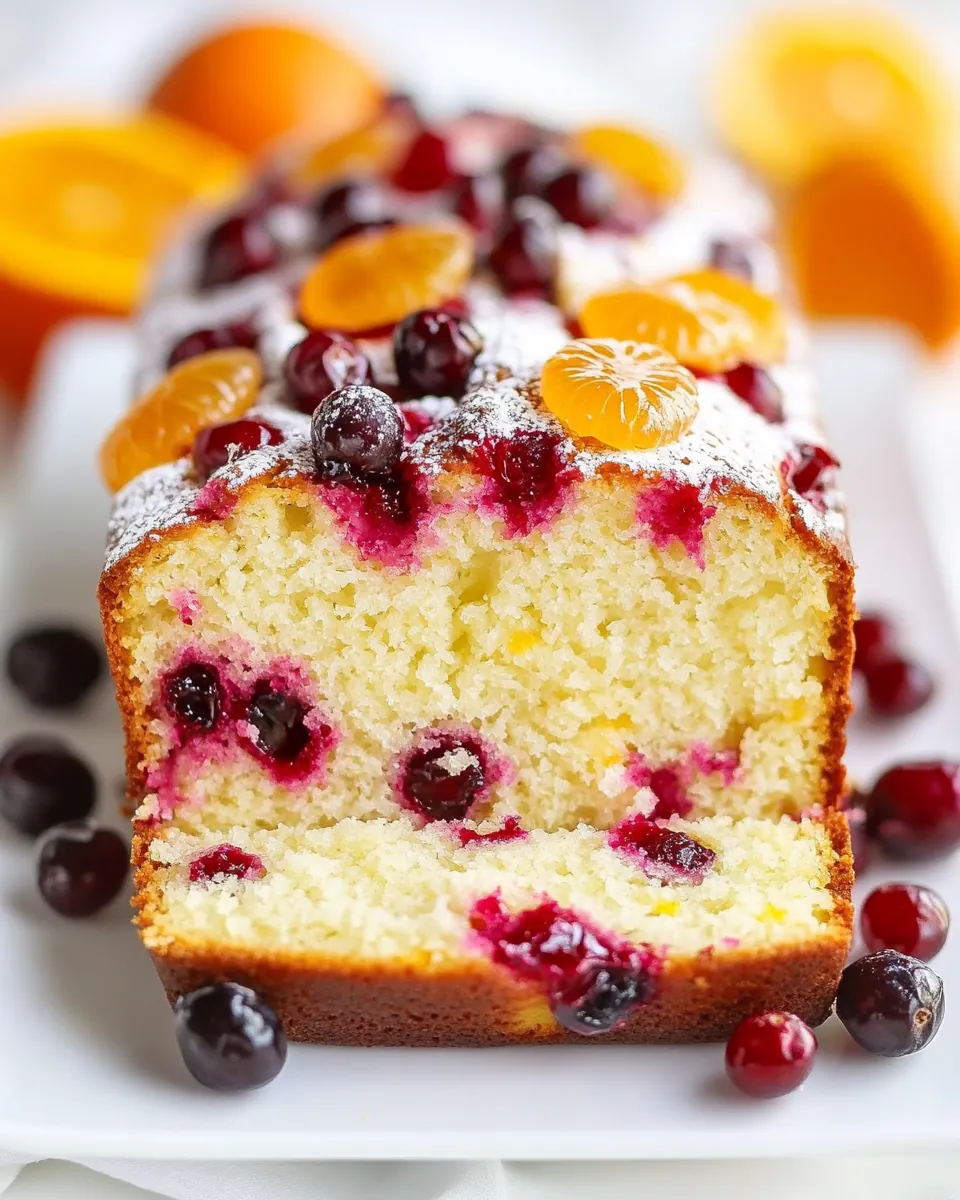
These ingredients create a simple, balanced loaf where each element pulls its weight. The starch from all purpose flour builds structure, while the combination of creamed butter and a little vegetable oil keeps the crumb tender and moist. Sugar sweetens and helps with browning, and the fresh cranberries and orange components deliver bright, fresh flavor that defines this loaf.
- 1 1/2 cups (195 g) all-purpose flour: Provide structure and bulk to the loaf while creating a tender crumb when combined properly; measure accurately and sift if needed to avoid lumps. Balance with leaveners and liquids to ensure the loaf rises evenly and maintains moisture during baking.
- 1 1/2 teaspoons baking powder: Leaven gently by producing carbon dioxide to help the loaf rise and become light; whisk into dry ingredients for even distribution. React with acidic components to create lift and tender texture without overpowering the flavor.
- 1/4 teaspoons salt: Enhance overall flavor by subtly balancing sweetness and rounds out the batter; dissolve into dry ingredients for even seasoning. Help strengthen gluten slightly, improving crumb resilience without drying the loaf.
- 6 tablespoons (84 g) unsalted butter (room temperature): Contribute rich flavor and tender mouthfeel by coating flour proteins and adding moisture; cream with sugar to incorporate air for lightness. Provide buttery aroma and help the loaf brown attractively during baking.
- 2 tablespoons (30 ml) vegetable oil: Add lightness and additional moisture while slightly reducing saturated fat; blend with butter to keep the batter soft. Help produce a softer crumb and prevent the loaf from becoming overly dense.
- 1 cup (207 g) sugar: Sweeten and help with creaming to incorporate air for a lighter texture; mix with fats until fluffy for proper structure. Also contributes to browning and helps balance the tartness of cranberries and acidity of orange.
- 2 large eggs: Bind ingredients, add richness, and contribute to structure through protein coagulation when heated; beat into the batter one at a time for uniform texture. Also adds moisture and contributes to leavening and color in the finished loaf.
- 1/4 cup (60 ml) fresh orange juice (about 1 orange): Provide bright citrus flavor and acidity that enhances other ingredients while tenderizing slightly; fold into wet ingredients for uniform citrus distribution. Balance sweetness and complement cranberries with a fresh, zesty note.
- 1 tablespoon fresh orange zest: Impart concentrated citrus aroma and intense orange flavor; finely grate and add to wet ingredients to distribute oils evenly. Elevate the loaf's fragrance and deepen the orange profile without adding extra liquid.
- 1 teaspoon vanilla extract: Add depth of flavor and enhance the overall aroma profile; stir into the wet mixture to meld with citrus and sugar. Small amount intensifies other flavors and rounds out the palate without adding sweetness.
- 6 tablespoons (90 ml) whole milk: Moisten the batter and help achieve proper consistency while contributing mild richness; stir into wet ingredients gradually to reach desired thickness. Work with fats and eggs to create a smooth, cohesive batter for even baking.
- 1 1/2 cups (150 g) fresh cranberries: Offer bright burst of tartness and texture contrast; fold gently into batter to prevent crushing and maintain whole berry pops. Complement orange flavors while adding visual appeal and seasonal character to the loaf.
- 1/4 cup (60 ml) orange juice (about 1 orange): Provide additional citrus punch and acidity for glazing or balance; incorporate into a glaze or drizzle for pronounced orange flavor. Use to adjust sweetness and shine when finishing the loaf for a glossy, tangy topping.
- 3 tablespoons (22 g) powdered sugar: Sweeten lightly and add a subtle silky dusting for finishing touches; sprinkle over glaze or berries to tone down acidity and add visual contrast. Dissolve into small amounts of juice to make a thin glaze for drizzling if desired.
- 1 cup (115 g) powdered sugar: Form a smooth, sweet glaze when mixed with liquid, helping to coat and seal in moisture while adding sweetness; whisk into desired consistency for drizzling. Provide a glossy finish and counterpoint to tart cranberries and bright orange.
- 2 tablespoons fresh orange juice: Brighten and thin glazes while adding fresh citrus flavor; mix into powdered sugar to create a pourable consistency for finishing the loaf. Adjust quantity to achieve desired thickness and to enhance the orange profile of the topping.
- 1 2 tablespoons heavy whipping cream: Loosen glaze and enrich mouthfeel with a small amount for creaminess and sheen; add gradually while stirring to reach preferred texture. Provide a subtle richness that helps the glaze cling to the loaf and improves overall mouthfeel.
Cooking Instructions for Cranberry Orange Loaf
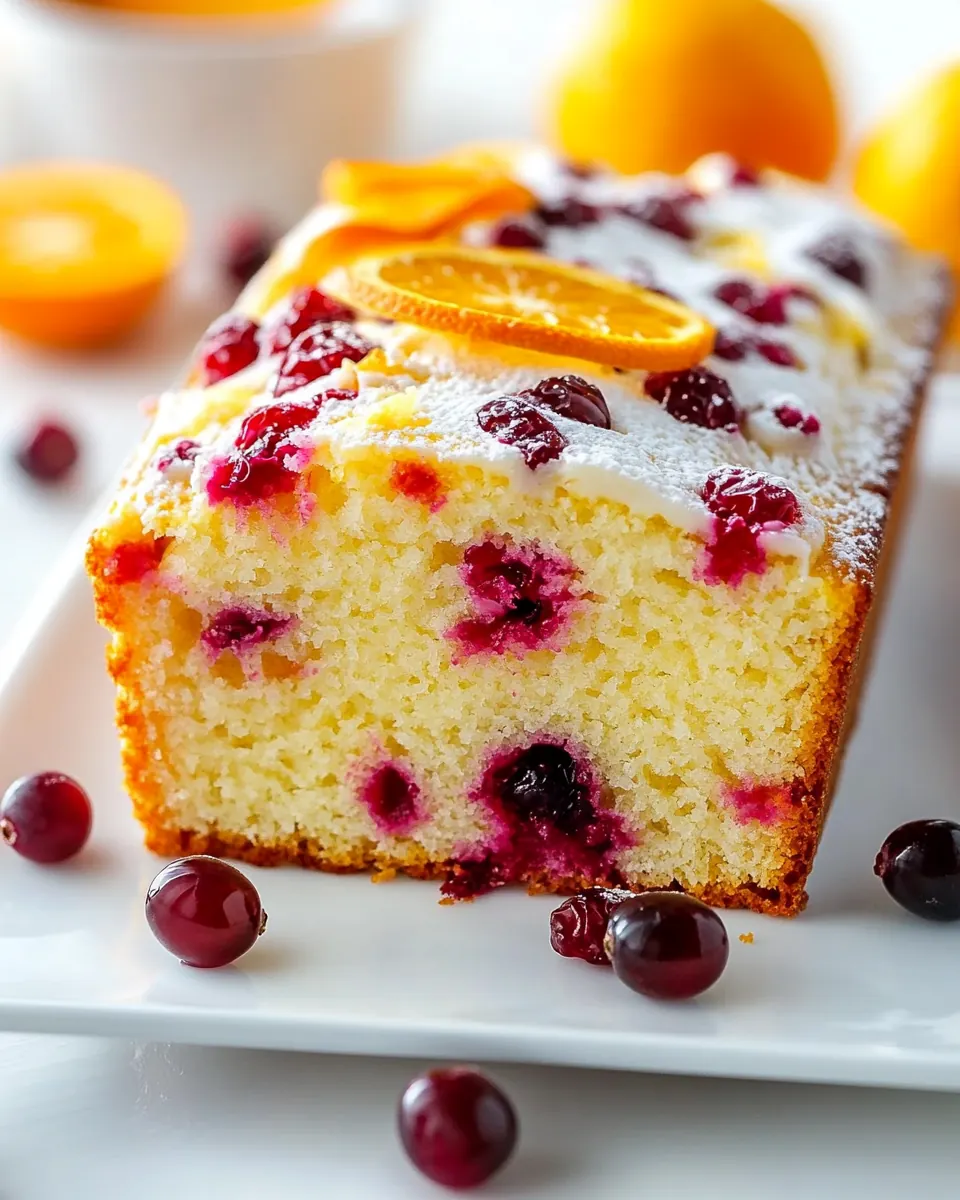
These directions guide you through each stage from mixing to glazing, with sensory cues and troubleshooting so the loaf comes out perfectly. Take your time with creaming and folding, and listen for the subtle changes in texture as ingredients come together. I like to pause between major steps to check texture and temperature, which saves problems later.
- Preheat oven to 350°F (177°C). Grease a 9×5-inch (or 8×4-inch) loaf pan.: As the oven warms you'll notice a subtle dry heat and a faint metallic whir from the preheating cycle, which signals readiness. Greasing the pan ensures the loaf releases cleanly, and I often line the pan with parchment for an easy lift. If you skip proper greasing the loaf can stick and tear when removed, so be thorough. Using a thermometer can confirm the oven is accurately at 350°F (177°C) , which is important for even rise and brown color.
- In a medium bowl combine the flour, baking powder, and salt. Set aside.: The dry mix should look pale and uniform, with no lumps of baking powder or pockets of salt. Whisking introduces air and distributes leavening, which supports a steady rise. If the baking powder clumps you might get uneven pockets of rise. Take a moment to measure accurately, because too much flour will yield a tough crumb.
- In a large mixer bowl, cream the butter, oil and sugar together on medium-high speed until light in color and fluffy, about 4-6 minutes. Scrape the sides of the bowl as needed.: You'll hear the mixer soften to a smooth hum and see the mixture transform into a paler, airy mass that holds soft peaks, which indicates sufficient aeration. Creaming traps tiny air bubbles that expand during baking, giving lift and tenderness. A common mistake is rushing this step, resulting in dense texture. If your butter was too cold, the mixture will remain lumpy, so pause and let it warm slightly before continuing.
- Add the eggs one at a time, mixing until mostly combined after each. Add the orange juice, orange zest and vanilla extract and beat on medium-high speed until well combined.: After adding each egg the batter becomes smoother, richer, and slightly glossy; the batter should not separate. The aroma will shift as the zest releases citrus oils, filling the bowl with bright notes. Overbeating after adding liquid can break down air pockets, so stop once the mixture is homogeneous. If the batter looks curdled, mixing in a spoonful of the dry ingredients can bring it back together.
- Add about a third of the dry ingredients and mix until mostly combined. Add half of the milk and mix until just combined. Repeat with another third of the dry ingredients and then the last half of the milk.: As you alternate, the batter should go from thick to slightly looser and glossy, showing that hydration and structure are balancing. This technique prevents overmixing the gluten, preserving tenderness. If you add all the liquid at once the batter may become too loose and require extra flour. Watch for streaks of dry flour , and stop mixing when they vanish.
- Add the remaining dry ingredients and mix until just combined. Gently fold in the cranberries.: At this stage the batter will appear cohesive and spring back slightly when stirred. Fold in the cranberries with a spatula using gentle turns so they stay intact and distribute evenly. You should see bursts of deep red against the pale batter, which promises contrast after baking. Overmixing will crush the cranberries , turning the batter pink, so stop once they are dispersed.
- Pour the batter into the prepared loaf pan and spread evenly. Bake for 40-50 minutes, or until the cake is golden brown and a toothpick comes out mostly clean with a few moist crumbs. If the loaf starts to brown too much on top, loosely cover the top with foil.: As the loaf bakes you'll smell citrus and sugar warming, and the top will turn a glossy golden brown. A toothpick inserted near the center should remove with a few moist crumbs but not wet batter. If you see the edges pulling away slightly and the top deeply browned, tenting with foil prevents overbrowning while allowing the center to finish. Opening the oven too often can cause uneven rising, so check near the end of the bake window.
- Allow the cake to cool for about 15 minutes in the pan, then remove to a cooling rack.: The loaf will deflate slightly as it cools, releasing steam that makes the crust looser and the crumb set. Cooling in the pan for a short time helps the loaf stabilize and prevents it from falling apart when turned out. If you rush and remove it while piping hot, the crumb may crumble. Use the parchment sling or a thin knife to loosen edges before inverting.
- Stir together the orange juice and powdered sugar for the orange syrup, then pour the syrup over the cake while it’s still warm. Allow cake to cool completely.: As the warm loaf absorbs the syrup you'll see the top darken and glisten, and a pleasant orange scent will intensify. Pouring while warm helps the syrup sink in, keeping the interior moist and flavorful. If the loaf is already cool the syrup will largely sit on top and not penetrate. Pour evenly and let gravity do the work to distribute the syrup.
- When the cake has cooled completely, make the icing. Combine the powdered sugar, orange juice and heavy cream and whisk until smooth. Spoon the icing onto the top of the cake and spread evenly, then serve.: The icing should be glossy and thick enough to hold a slight peak as you spread, while still running slowly down the sides. Whisking releases tiny air bubbles and creates a smooth sheen that sets to a tender crust. If the glaze is too thin add a bit more powdered sugar, and if it is too stiff add small drops of orange juice or cream. An overly runny glaze will drip off and pool, so aim for a spreadable ribbon consistency.
Making Adjustments
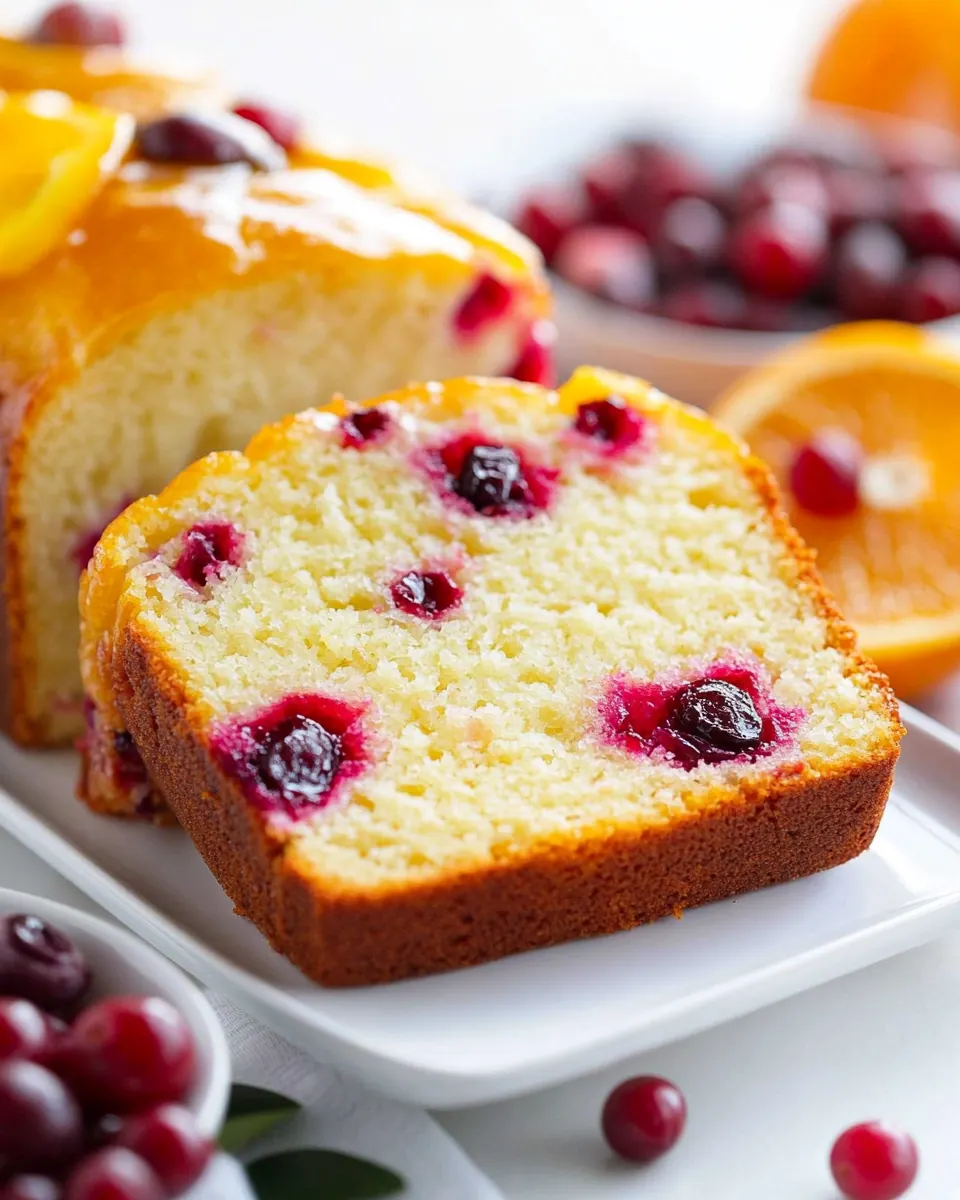
This section offers practical adjustments for texture, flavor intensity, and storage. Each tip begins with a focused point to help you tune the loaf to your taste or needs, then expands into a short, actionable note.
- Use Frozen Cranberries with Care, if you use frozen cranberries thaw them and pat dry to remove excess moisture, which can thin the batter; freezing concentrates tartness so taste the batter and adjust sweetness if needed.
- Adjust Sweetness, if you prefer a less sweet loaf reduce the cup of granulated sugar by two to three tablespoons, but remember the glaze adds sweetness so balance accordingly.
- Make It More Moist, add an extra tablespoon of vegetable oil or a splash more milk to keep slices softer the next day; avoid adding too much liquid at once to maintain batter structure.
- Glaze Thickness, start with less orange juice when whisking the icing and add small amounts until you reach a spreadable consistency so it does not run off the loaf.
- Storage Method, store the loaf in an airtight container at room temperature for up to a day, then refrigerate to maintain freshness; bring to room temperature before serving for best texture.
What Complements This Cranberry Orange Loaf
This loaf pairs well with a variety of accompaniments, from beverages to seasonal sides. Below are ideas for serving contexts, storage guidance, and pairing suggestions that highlight the loaf’s bright citrus character.
- Morning Coffee or Tea, serve slices warm with a cup of black coffee or a fragrant tea to balance the sweetness and amplify the citrus aroma.
- Brunch Spread, include the loaf on a brunch table alongside yogurt, fresh fruit, and light cheeses for contrast; it works well as a sweet centerpiece without dominating the menu.
- Holiday Table, for occasions like Thanksgiving the loaf offers a fruity alternative to heavy pies, and its color complements autumnal platters and roasted dishes.
- Storage Tips, wrap cooled, unfrosted loaf tightly in plastic and refrigerate for up to four days, or freeze for longer storage and thaw before glazing to preserve texture.
- Serving Style, slice slightly thicker for dessert, or thinner for coffee service; a light dusting of extra powdered sugar or a spoonful of whipped cream adds elegance without masking the orange notes.
- Seasonal Pairings, pair with spiced nuts or warm fruit compote in colder months, or serve with fresh berries and citrus segments in spring for a refreshing contrast.
FAQ
Conclusion
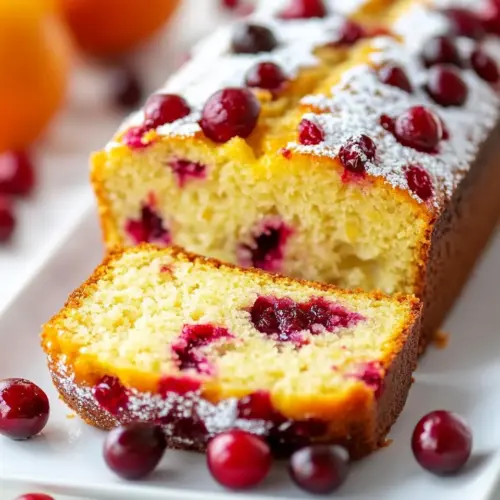
This Cranberry Orange Loaf stands out for its bright citrus character paired with tart bursts of cranberry and a tender, moist crumb. It’s approachable enough for an everyday bake, yet special enough for holidays and gatherings. Give it a try when you want a reliable, flavorful loaf that slices beautifully and travels well. I hope you enjoy how the orange syrup seeps into the warm crumb, and that this loaf becomes one of your go to recipes for brunches and cozy mornings.
Cranberry Orange Loaf
Equipment
- 9×5-inch loaf pan
- Mixer
- Mixing Bowls
- Spatula
- Cooling rack
Ingredients
- 1 1/2 cups (195 g) all-purpose flour Provide structure and bulk to the loaf while creating a tender crumb when combined properly; measure accurately and sift if needed to avoid lumps. Balance with leaveners and liquids to ensure the loaf rises evenly and maintains moisture during baking.
- 1 1/2 teaspoons baking powder Leaven gently by producing carbon dioxide to help the loaf rise and become light; whisk into dry ingredients for even distribution. React with acidic components to create lift and tender texture without overpowering the flavor.
- 1/4 teaspoons salt Enhance overall flavor by subtly balancing sweetness and rounds out the batter; dissolve into dry ingredients for even seasoning. Help strengthen gluten slightly, improving crumb resilience without drying the loaf.
- 6 tablespoons (84 g) unsalted butter (room temperature) Contribute rich flavor and tender mouthfeel by coating flour proteins and adding moisture; cream with sugar to incorporate air for lightness. Provide buttery aroma and help the loaf brown attractively during baking.
- 2 tablespoons (30 ml) vegetable oil Add lightness and additional moisture while slightly reducing saturated fat; blend with butter to keep the batter soft. Help produce a softer crumb and prevent the loaf from becoming overly dense.
- 1 cup (207 g) sugar Sweeten and help with creaming to incorporate air for a lighter texture; mix with fats until fluffy for proper structure. Also contributes to browning and helps balance the tartness of cranberries and acidity of orange.
- 2 large eggs Bind ingredients, add richness, and contribute to structure through protein coagulation when heated; beat into the batter one at a time for uniform texture. Also adds moisture and contributes to leavening and color in the finished loaf.
- 1/4 cup (60 ml) fresh orange juice (about 1 orange) Provide bright citrus flavor and acidity that enhances other ingredients while tenderizing slightly; fold into wet ingredients for uniform citrus distribution. Balance sweetness and complement cranberries with a fresh, zesty note.
- 1 tablespoon fresh orange zest Impart concentrated citrus aroma and intense orange flavor; finely grate and add to wet ingredients to distribute oils evenly. Elevate the loaf's fragrance and deepen the orange profile without adding extra liquid.
- 1 teaspoon vanilla extract Add depth of flavor and enhance the overall aroma profile; stir into the wet mixture to meld with citrus and sugar. Small amount intensifies other flavors and rounds out the palate without adding sweetness.
- 6 tablespoons (90 ml) whole milk Moisten the batter and help achieve proper consistency while contributing mild richness; stir into wet ingredients gradually to reach desired thickness. Work with fats and eggs to create a smooth, cohesive batter for even baking.
- 1 1/2 cups (150 g) fresh cranberries Offer bright burst of tartness and texture contrast; fold gently into batter to prevent crushing and maintain whole berry pops. Complement orange flavors while adding visual appeal and seasonal character to the loaf.
- 1/4 cup (60 ml) orange juice (about 1 orange) Provide additional citrus punch and acidity for glazing or balance; incorporate into a glaze or drizzle for pronounced orange flavor. Use to adjust sweetness and shine when finishing the loaf for a glossy, tangy topping.
- 3 tablespoons (22 g) powdered sugar Sweeten lightly and add a subtle silky dusting for finishing touches; sprinkle over glaze or berries to tone down acidity and add visual contrast. Dissolve into small amounts of juice to make a thin glaze for drizzling if desired.
- 1 cup (115 g) powdered sugar Form a smooth, sweet glaze when mixed with liquid, helping to coat and seal in moisture while adding sweetness; whisk into desired consistency for drizzling. Provide a glossy finish and counterpoint to tart cranberries and bright orange.
- 2 tablespoons fresh orange juice Brighten and thin glazes while adding fresh citrus flavor; mix into powdered sugar to create a pourable consistency for finishing the loaf. Adjust quantity to achieve desired thickness and to enhance the orange profile of the topping.
- 1 -2 tablespoons heavy whipping cream Loosen glaze and enrich mouthfeel with a small amount for creaminess and sheen; add gradually while stirring to reach preferred texture. Provide a subtle richness that helps the glaze cling to the loaf and improves overall mouthfeel.
Instructions
- Preheat oven to 350°F (177°C). Grease a 9×5-inch (or 8×4-inch) loaf pan.: As the oven warms you'll notice a subtle dry heat and a faint metallic whir from the preheating cycle, which signals readiness. Greasing the pan ensures the loaf releases cleanly, and I often line the pan with parchment for an easy lift. If you skip proper greasing the loaf can stick and tear when removed, so be thorough. Using a thermometer can confirm the oven is accurately at 350°F (177°C) , which is important for even rise and brown color.
- In a medium bowl combine the flour, baking powder, and salt. Set aside.: The dry mix should look pale and uniform, with no lumps of baking powder or pockets of salt. Whisking introduces air and distributes leavening, which supports a steady rise. If the baking powder clumps you might get uneven pockets of rise. Take a moment to measure accurately, because too much flour will yield a tough crumb.
- In a large mixer bowl, cream the butter, oil and sugar together on medium-high speed until light in color and fluffy, about 4-6 minutes. Scrape the sides of the bowl as needed.: You'll hear the mixer soften to a smooth hum and see the mixture transform into a paler, airy mass that holds soft peaks, which indicates sufficient aeration. Creaming traps tiny air bubbles that expand during baking, giving lift and tenderness. A common mistake is rushing this step, resulting in dense texture. If your butter was too cold, the mixture will remain lumpy, so pause and let it warm slightly before continuing.
- Add the eggs one at a time, mixing until mostly combined after each. Add the orange juice, orange zest and vanilla extract and beat on medium-high speed until well combined.: After adding each egg the batter becomes smoother, richer, and slightly glossy; the batter should not separate. The aroma will shift as the zest releases citrus oils, filling the bowl with bright notes. Overbeating after adding liquid can break down air pockets, so stop once the mixture is homogeneous. If the batter looks curdled, mixing in a spoonful of the dry ingredients can bring it back together.
- Add about a third of the dry ingredients and mix until mostly combined. Add half of the milk and mix until just combined. Repeat with another third of the dry ingredients and then the last half of the milk.: As you alternate, the batter should go from thick to slightly looser and glossy, showing that hydration and structure are balancing. This technique prevents overmixing the gluten, preserving tenderness. If you add all the liquid at once the batter may become too loose and require extra flour. Watch for streaks of dry flour , and stop mixing when they vanish.
- Add the remaining dry ingredients and mix until just combined. Gently fold in the cranberries.: At this stage the batter will appear cohesive and spring back slightly when stirred. Fold in the cranberries with a spatula using gentle turns so they stay intact and distribute evenly. You should see bursts of deep red against the pale batter, which promises contrast after baking. Overmixing will crush the cranberries , turning the batter pink, so stop once they are dispersed.
- Pour the batter into the prepared loaf pan and spread evenly. Bake for 40-50 minutes, or until the cake is golden brown and a toothpick comes out mostly clean with a few moist crumbs. If the loaf starts to brown too much on top, loosely cover the top with foil.: As the loaf bakes you'll smell citrus and sugar warming, and the top will turn a glossy golden brown. A toothpick inserted near the center should remove with a few moist crumbs but not wet batter. If you see the edges pulling away slightly and the top deeply browned, tenting with foil prevents overbrowning while allowing the center to finish. Opening the oven too often can cause uneven rising, so check near the end of the bake window.
- Allow the cake to cool for about 15 minutes in the pan, then remove to a cooling rack.: The loaf will deflate slightly as it cools, releasing steam that makes the crust looser and the crumb set. Cooling in the pan for a short time helps the loaf stabilize and prevents it from falling apart when turned out. If you rush and remove it while piping hot, the crumb may crumble. Use the parchment sling or a thin knife to loosen edges before inverting.
- Stir together the orange juice and powdered sugar for the orange syrup, then pour the syrup over the cake while it’s still warm. Allow cake to cool completely.: As the warm loaf absorbs the syrup you'll see the top darken and glisten, and a pleasant orange scent will intensify. Pouring while warm helps the syrup sink in, keeping the interior moist and flavorful. If the loaf is already cool the syrup will largely sit on top and not penetrate. Pour evenly and let gravity do the work to distribute the syrup.
- When the cake has cooled completely, make the icing. Combine the powdered sugar, orange juice and heavy cream and whisk until smooth. Spoon the icing onto the top of the cake and spread evenly, then serve.: The icing should be glossy and thick enough to hold a slight peak as you spread, while still running slowly down the sides. Whisking releases tiny air bubbles and creates a smooth sheen that sets to a tender crust. If the glaze is too thin add a bit more powdered sugar, and if it is too stiff add small drops of orange juice or cream. An overly runny glaze will drip off and pool, so aim for a spreadable ribbon consistency.
Notes
- Use Frozen Cranberries with Care, if you use frozen cranberries thaw them and pat dry to remove excess moisture, which can thin the batter; freezing concentrates tartness so taste the batter and adjust sweetness if needed.
- Adjust Sweetness, if you prefer a less sweet loaf reduce the cup of granulated sugar by two to three tablespoons, but remember the glaze adds sweetness so balance accordingly.
- Make It More Moist, add an extra tablespoon of vegetable oil or a splash more milk to keep slices softer the next day; avoid adding too much liquid at once to maintain batter structure.
- Glaze Thickness, start with less orange juice when whisking the icing and add small amounts until you reach a spreadable consistency so it does not run off the loaf.
- Storage Method, store the loaf in an airtight container at room temperature for up to a day, then refrigerate to maintain freshness; bring to room temperature before serving for best texture.
