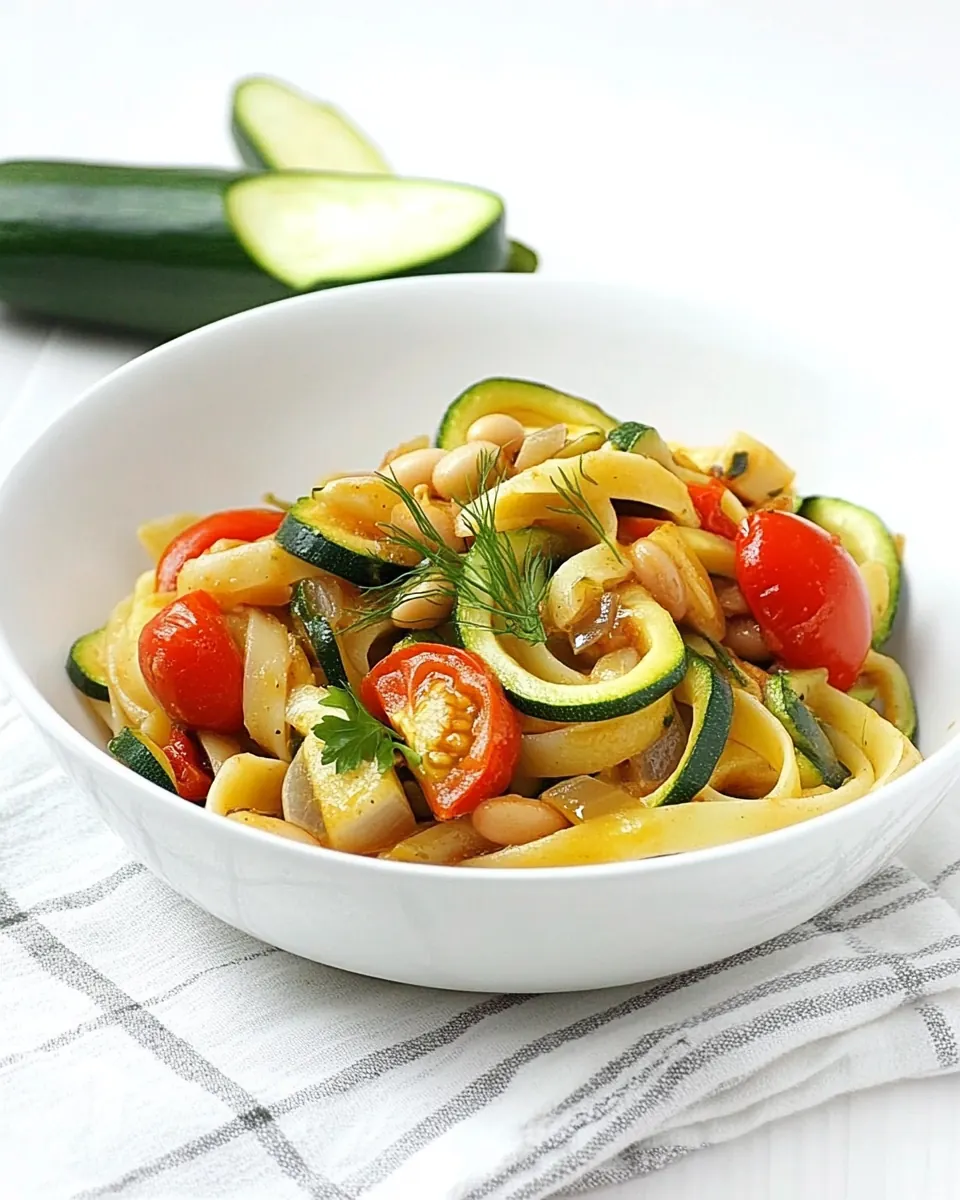
Braised Fennel Tomato Bean Zucchini Pasta
Braised Fennel Tomato Bean Zucchini Pasta came into my weeknight rotation the night I wanted something bright, vegetal, and deeply comforting without turning on the oven. I had a lonely fennel bulb sitting on the counter and a bag of zucchini noodles in the fridge, and I decided to coax them into something surprisingly cozy. The first bite of the finished bowl, where the sweet anise of the fennel meets warm, crushed grape tomatoes and silky cannellini beans, felt like a warm hello on a busy evening.
That evening unfolded casually, with a small pan on the stovetop and a simple rhythm of chopping, simmering, and tasting. As the garlic hit the warm oil, the kitchen filled with a toasty, nutty aroma that made me slow down and listen to the gentle sizzle. The tomatoes softened into a fragrant sauce, while the broth pulled everything together into a glossy, spoonable finish. When I twirled the zucchini noodles into the pan, they soaked up just enough of that braised goodness to remain lively, not limp.
I love how this recipe feels flexible yet focused. It is the kind of recipe I pull out when friends drop by unexpectedly, because it plates beautifully and tastes like I spent way more time on it than I did. The reserved fennel fronds scattered on top add a lively, herbaceous note that brightens every mouthful. If you keep a few pantry staples like olive oil and vegetable broth on hand, you can make this in under half an hour and still feel like a kitchen hero.
Recipe Snapshot
20 mins
10 mins
10 mins
Easy
300 kcal
Italian
Gluten-Free, Low FODMAP
Dinner
Large saucepan, Spiralizer, Knife, Cutting board
The Beauty of This Braised Fennel Tomato Bean Zucchini Pasta
Bright vegetable flavor with comforting depth
I love how Braised Fennel Tomato Bean Zucchini Pasta balances light and hearty elements. The fennel lends a subtle anise sweetness that plays against the savory, slightly acidic tomatoes, while the cannellini beans add a creamy mouthfeel that keeps the dish satisfying. This combination makes it a fantastic choice when you want something vegetable forward but still filling.
Fast and forgiving
We can all appreciate a dish that forgives a distracted cook. This recipe is very forgiving on timing. If you simmer the braise a little longer the flavors deepen nicely, and if the zucchini becomes softer than intended it still tastes great. I often pivot mid-cook based on what my guests prefer, and this one adapts with ease.
One pan, minimal fuss
Because the core cooking happens in a single saucepan, cleanup is quick and you keep the kitchen calm. The method concentrates flavors without lots of steps, which I always appreciate after a long day. The pan picks up browned bits from the garlic and fennel, turning them into flavor boosters that meld into the broth.
Fresh textures and finishing contrasts
There is a satisfying textural play here. The tender braised fennel and juicy tomatoes contrast with the slightly al dente zucchini noodles and the soft, creamy beans. A sprinkle of grated Parmigiano-reggiano cheese adds a savory, nutty finish and a touch of richness, while the chopped fronds bring a bright, fresh counterpoint.
Versatile for many occasions
I reach for this recipe for quick weeknight dinners, light weekend lunches, or casual dinners with friends. It looks lovely in bowls and scales easily. Because the ingredients are pantry friendly and seasonal, you can make it from what you have on hand and still end up with a dish that feels intentional and special.
Braised Fennel Tomato Bean Zucchini Pasta Shopping List
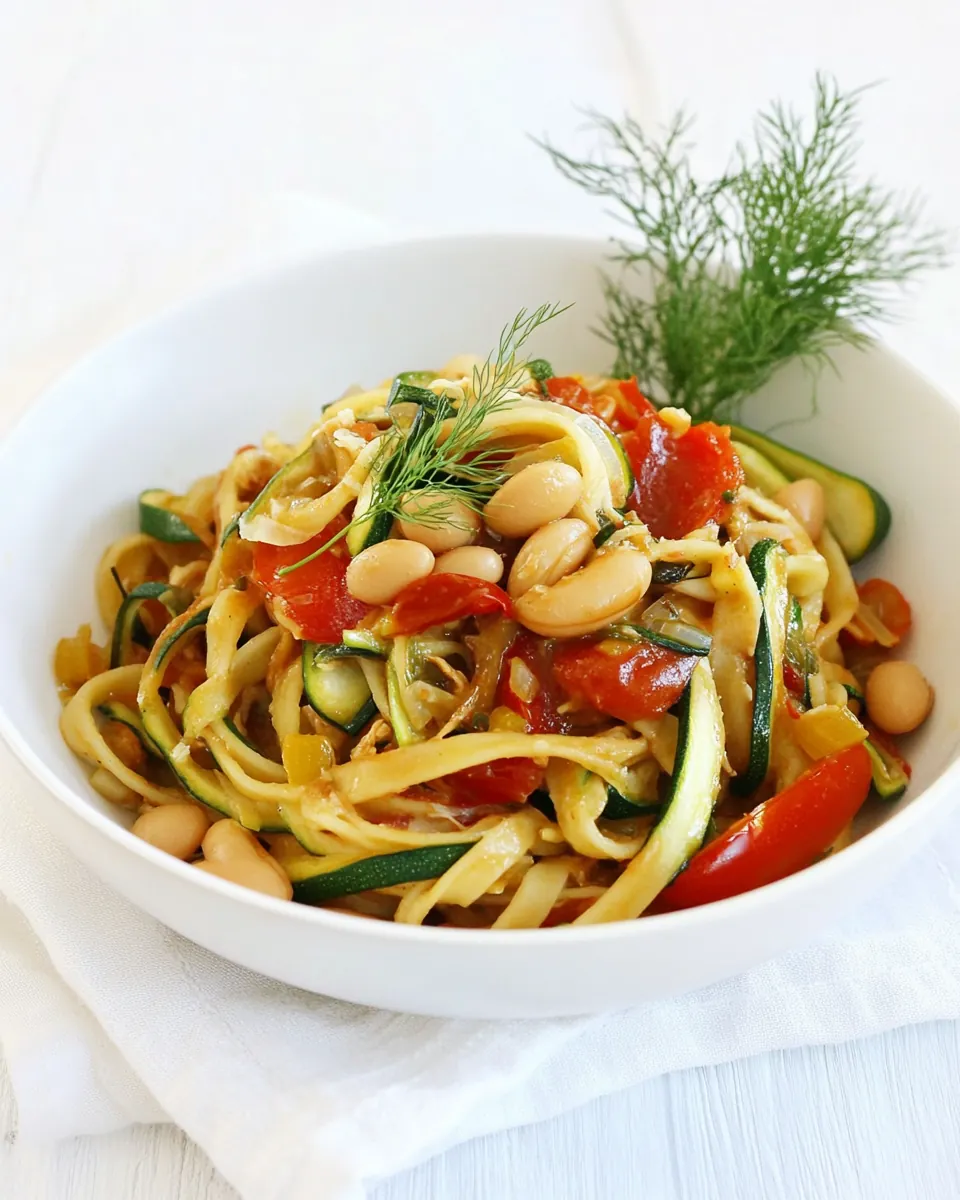
This ingredient list is built around a simple philosophy: let each component shine while supporting the others. The braise creates depth, the beans add body, and the zucchini keeps things bright and fresh. Key players are the fennel and the zucchini, which together provide contrasting textures, while the grape tomatoes and vegetable broth form the flavorful liquid that brings everything together. Little accents like garlic and Parmigiano-reggiano cheese round out the savory profile.
- 1 fennel bulb with stalks: Provide an aromatic anise-like flavor and a crisp texture; slice or chop bulb and tender fronds to braise alongside tomatoes for depth. Use stalks for extra flavor in the pot and reserve fronds as a fresh garnish to brighten the finished pasta.
- 1 tablespoon olive oil: Add a fruity, slightly peppery fat that helps sauté aromatics and prevents sticking; heat gently before adding garlic and fennel to release flavors. Choose extra-virgin olive oil for best flavor and use measured amount to control richness.
- 1 clove garlic minced: Give a pungent, savory base when minced and sautéed; add to the hot oil briefly to bloom its flavor without burning. Adjust amount and cook time to achieve a mellow garlic presence that complements the fennel and tomatoes.
- 1/4 teaspoon red pepper flakes: Impart a spicy kick that enhances overall warmth; scatter in small quantity while cooking to build subtle heat without overpowering other flavors. Toast briefly with garlic to develop complexity and balance the sweetness of tomatoes and zucchini.
- 12 g grape tomatoes halved: Contribute sweet, juicy bursts and acidity when halved; add early to the pan to soften and meld into a saucy base. Use ripe grapes for concentrated flavor that helps create a bright tomato element in the braise.
- 1/2 cup cannellini beans: Provide creamy, nutty protein and body that enriches the sauce; rinse if canned and stir in to warm through so beans maintain their texture. Use cannellini for their mild flavor that complements vegetables without dominating the dish.
- Salt and pepper to taste: Balance flavors and enhance all components; season during cooking and again at the end to taste, adjusting for broth and cheese sodium. Use freshly ground pepper for aroma and add sparingly at stages to layer seasoning.
- 3/4 cup vegetable broth low sodium: Supply liquid and savory background while keeping sodium low; pour in to deglaze the pan and gently braise vegetables until tender. Choose low-sodium broth to control salt and allow other flavors to shine.
- 3 4 medium zucchinis spiralized, Blade A: Add tender, slightly sweet bulk and texture when spiralized; toss into the sauce near the end to avoid overcooking and preserve some bite. Use medium zucchinis spiralized on Blade A for consistent noodle-like strands that soak up the braise.
- 1 2 tablespoon grated Parmigiano-reggiano cheese for topping: Finish with a salty, umami-rich sprinkle that rounds flavors; grate over each serving to add creaminess and savory lift. Use Parmigiano–Reggiano sparingly to complement beans and vegetables without overwhelming the dish.
Making This Braised Fennel Tomato Bean Zucchini Pasta
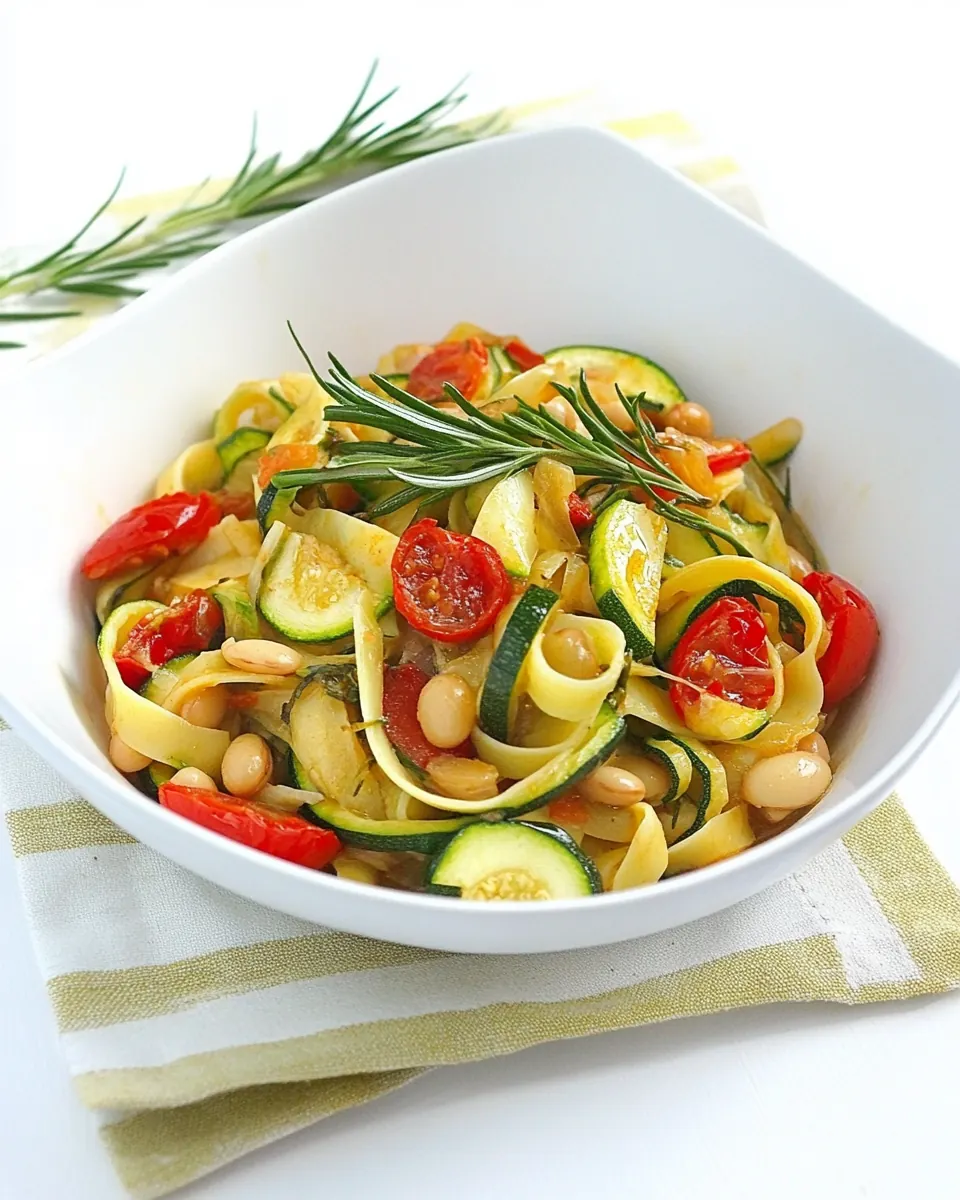
I like to talk you through the rhythm of cooking this dish before the step by step. The process is mostly about building aroma, adding liquid to create a glossy braise, and finishing quickly with the zucchini so it keeps some bite. Keep your stove at the right heat and taste as you go, because small adjustments make a big difference in the final balance.
- Chop off the stalks of the fennel so only the bulb is left. Pull off about 1 tablespoon of the fronds (the herb-like strands off the stalks), chop and set aside. Chop off the bottom of the bulb to remove the tough bottom. Spiralize using the Blade A (the blade without the triangles). When done, set aside.: When you first touch the fennel , you will notice a faint licorice fragrance that is brighter in the stalks. Removing the stalks leaves the bulb clean and easy to work with. The reserved fronds add a final herbaceous pop, so set them aside right away. As you trim, listen for the soft snap of the fibrous parts, and aim for a smooth, even cut so the bulb sits flat on the board. Why do this now Instead of later The trimmed pieces cook more evenly and the reserved fronds stay fresh. A common error is leaving wet stalk remnants on the bulb which can steam pockets of moisture during cooking, resulting in uneven browning.
- Place a large saucepan over medium-low heat and add in the olive oil. Then, add in the garlic and red pepper flakes. Let cook for 30 seconds and then add in the fennel and tomatoes, squishing the tomatoes with your hands as you add them to the saucepan.: Those fronds are like tiny parsley with a fennel twist; they brighten the finished bowl. Chop them finely so they distribute across bowls as a garnish. The aroma when you chop them should be green and slightly sweet, and that freshness contrasts beautifully with the warm braise. Save them at room temperature until plating, and avoid adding them to the hot pan early because prolonged heat will dull their color and flavor.
- Season the fennel with salt and pepper, cook for 2 minutes and then add in the vegetable broth. Cover the skillet, lower to a simmer and let cook for 5 minutes. Uncover, add in the beans and cook for another 2-3 minutes or until some of the moisture reduces.: Removing the base helps the fennel layers separate cleanly when you slice or dice the bulb. The base can be tough and fibrous, so a sharp knife and a firm cut will yield neat segments. Sensory cue The exposed layers will look paler and slightly moist. Fault to avoid Cutting too shallowly may leave stringy bits that chew unpleasantly in the finished dish.
- Then, add in the zucchini noodles and toss to combine. Stirring frequently, cook the zucchini noodles for 2-3 minutes or until the noodles soften (they should be about al dente.): Spiralizing the zucchini and knowing your blade choice affects noodle thickness and texture. Blade A yields relatively delicate strands that cook quickly and hold a satisfying bite. As you spiralize you will hear a soft mechanical rasp and see long ribbons forming; keep them in a single layer briefly to avoid clumping. Why it matters Thicker noodles take longer to cook and can become soggy, while very thin ones may disintegrate. A common slip is spiralizing too far into the core which creates short, inconsistent pieces.
- Plate into bowls and top with Parmigiano-reggiano cheese and reserved chopped fennel fronds.: Warm the pan slowly so the oil heats evenly without smoking. You want the oil to shimmer gently and smell slightly fruity, not burnt. This gentle heat helps infuse the oil with garlic and red pepper flakes without immediate browning. If your pan is too hot the oil can degrade and the garlic will char quickly, giving an acrid taste.
- Then add in the garlic and red pepper flakes Let cook for 30 seconds and then add in the fennel and tomatoes squishing the tomatoes with your hands as you add them to the saucepan: When the minced garlic hits the warm oil, pay attention to the aromatic lift it creates, a toasty, slightly sweet note. Adding the red pepper flakes now releases gentle heat into the oil. As you drop halved grape tomatoes in and squish them, you will hear a soft sear and see juices begin to pool; this is when the tomatoes start breaking down into sauce. Why this order The brief garlic cook mellows raw pungency while the crushed tomatoes immediately mingle with the aromatic base. Watch closely because garlic will go from fragrant to bitter in a heartbeat.
- Season the fennel with salt and pepper cook for 2 minutes and then add in the vegetable broth: Salt draws moisture from the fennel , helping it soften and release flavor. In these two minutes you will observe the fennel becoming slightly translucent at the edges, while the tomatoes continue to soften. Pouring in the vegetable broth deglazes the pan and creates the braising liquid, lifting the caramelized bits into the sauce. Mistake to avoid Using a very salty broth will make it hard to correct the seasoning later.
- Cover the skillet lower to a simmer and let cook for 5 minutes: Covering traps steam and lets the fennel become tender without aggressive evaporation. You will see small bubbles around the edge and smell a deeper, rounded aroma as the flavors meld. This gentle simmer helps the anise notes mellow and lets the tomatoes sweeten. A common problem is keeping the heat too high which will rapidly reduce the liquid and over concentrate the flavors.
- Uncover add in the beans and cook for another 2 to 3 minutes or until some of the moisture reduces: Adding the cannellini beans at this stage warms them through and lets them soak up the braising liquid. Watch for gentle bubbling and a slight thickening of the sauce, a sign the flavors are marrying. The beans should stay intact yet tender, contributing a creamy mouthfeel. Trouble to avoid Overcooking canned beans turns them mushy and flattens texture contrast.
- Then add in the zucchini noodles and toss to combine: When the zucchini hits the pan you will hear a soft sizzle and see the strands begin to glisten as they absorb liquid. Tossing ensures heat and sauce coat the noodles evenly. The aroma will lift and feel fresher, while the visual cue of glossy strands indicates readiness. Why timing is crucial Cook the zucchini only until it reaches al dente, otherwise the noodles release too much water and dilute the sauce. The usual misstep is leaving them in too long which yields limp noodles.
- Stirring frequently cook the zucchini noodles for 2 to 3 minutes or until the noodles soften they should be about al dente: During these final minutes keep the pan active so the noodles heat evenly and do not clump. You will notice steam rising and the sauce tightening slightly. The right moment to stop is when the noodles are tender but still springy to the bite. If you wait too long you lose structure and the dish becomes watery.
- Plate into bowls and top with Parmigiano reggiano cheese and reserved chopped fennel fronds: The last act is visual and aromatic. As you spoon the braise over the zucchini, the glossy sauce should cling to the strands. A light shower of freshly grated Parmigiano reggiano cheese brings savory umami and creaminess, and the chopped fronds add zippy freshness. Serve immediately because the zucchini will continue to soften as it cools. Common error Serving late leads to a soggy texture and muted aromas.
Pro Tips and Tweaks
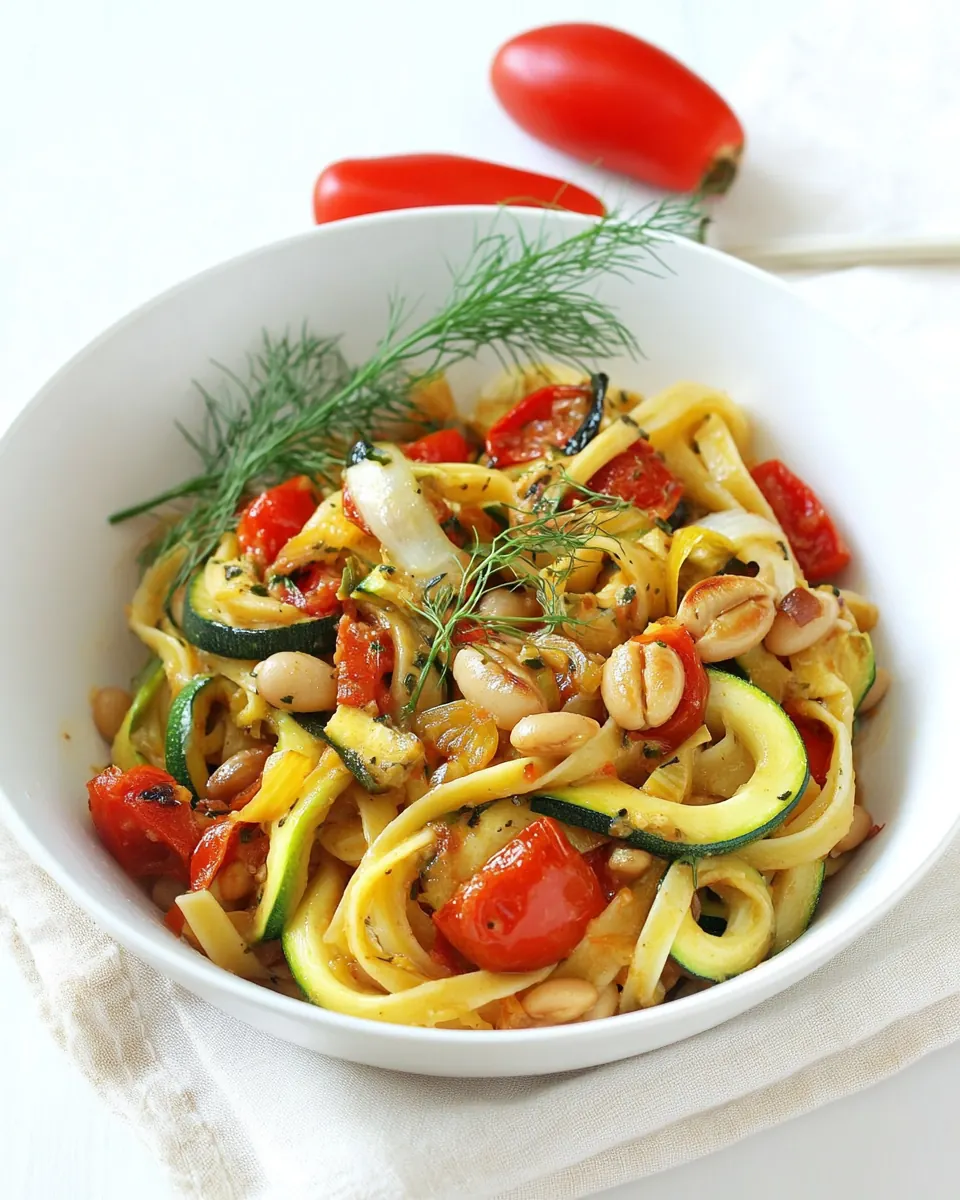
These pro tips help you get consistent results and tailor the dish to your tastes. A few small adjustments at key moments transform the outcome, and these suggestions will guide you toward a polished plate every time.
- Choose firm zucchini Use medium firm zucchinis for better noodle texture and less water release during cooking.
- Low sodium broth Start with low sodium vegetable broth so you can control the final salt level and avoid over seasoning.
- Freshly grate cheese Grate the Parmigiano reggiano cheese fresh for superior mouthfeel and flavor compared with pre grated varieties.
- Gentle simmering Keep the braise at a low simmer to allow the flavors to meld without evaporating the liquid too quickly.
- Time the zucchini Add the spiralized zucchini at the end to maintain an al dente bite and avoid a watery sauce.
- Reserve fronds for brightness Sprinkle the chopped fennel fronds just before serving to preserve their herbal lift and color.
Perfect Pairings for Braised Fennel Tomato Bean Zucchini Pasta
Serve this dish in ways that elevate its fresh, savory profile. The suggestions below cover side ideas, appropriate occasions, storage, and seasonal notes that help you present this as a thoughtful meal for many situations.
- Light green salad A simple leafy salad with lemon vinaigrette contrasts the warm braise with crisp freshness making it ideal for a spring or summer lunch.
- Crusty bread Warm crusty bread is great for scooping up the glossy sauce and suits casual dinners where everyone digs in from bowls.
- Family weeknight dinner This recipe is perfect for busy evenings when you want a satisfying, vegetable forward meal that comes together quickly.
- Entertaining option Serve it in shallow bowls with grated Parmigiano reggiano cheese and fronds at a small dinner party for a dish that looks and tastes thoughtful.
- Make ahead and store Refrigerate leftovers in an airtight container for up to three days, and reheat gently on the stove to avoid overcooking the zucchini.
- Seasonal pairing This shines in summer when zucchinis and grape tomatoes are at peak sweetness making the flavors particularly vivid.
FAQ
Conclusion
What makes this recipe special is the way simple, fresh ingredients sing together to create something greater than the sum of its parts. The sweet, tender braised fennel and juicy tomatoes meld with creamy cannellini beans and bright zucchini noodles for a dish that is both comforting and light. Give it a try on a busy weeknight or for a casual dinner with friends, and you might find it becoming a new staple. I hope this bowl brings a little ease and a lot of flavor to your table, and that you enjoy the balance of textures and the comforting finish.
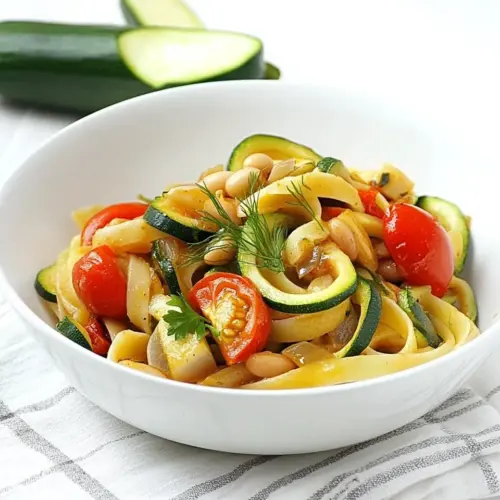
Braised Fennel Tomato Bean Zucchini Pasta
Equipment
- Large saucepan
- Spiralizer
- Knife
- Cutting Board
Ingredients
- 1 fennel bulb with stalks Provide an aromatic anise-like flavor and a crisp texture; slice or chop bulb and tender fronds to braise alongside tomatoes for depth. Use stalks for extra flavor in the pot and reserve fronds as a fresh garnish to brighten the finished pasta.
- 1 tablespoon olive oil Add a fruity, slightly peppery fat that helps sauté aromatics and prevents sticking; heat gently before adding garlic and fennel to release flavors. Choose extra-virgin olive oil for best flavor and use measured amount to control richness.
- 1 clove garlic minced Give a pungent, savory base when minced and sautéed; add to the hot oil briefly to bloom its flavor without burning. Adjust amount and cook time to achieve a mellow garlic presence that complements the fennel and tomatoes.
- 1/4 teaspoon red pepper flakes Impart a spicy kick that enhances overall warmth; scatter in small quantity while cooking to build subtle heat without overpowering other flavors. Toast briefly with garlic to develop complexity and balance the sweetness of tomatoes and zucchini.
- 12 g grape tomatoes halved Contribute sweet, juicy bursts and acidity when halved; add early to the pan to soften and meld into a saucy base. Use ripe grapes for concentrated flavor that helps create a bright tomato element in the braise.
- 1/2 cup cannellini beans Provide creamy, nutty protein and body that enriches the sauce; rinse if canned and stir in to warm through so beans maintain their texture. Use cannellini for their mild flavor that complements vegetables without dominating the dish.
- Salt and pepper to taste Balance flavors and enhance all components; season during cooking and again at the end to taste, adjusting for broth and cheese sodium. Use freshly ground pepper for aroma and add sparingly at stages to layer seasoning.
- 3/4 cup vegetable broth low sodium Supply liquid and savory background while keeping sodium low; pour in to deglaze the pan and gently braise vegetables until tender. Choose low-sodium broth to control salt and allow other flavors to shine.
- 3 -4 medium zucchinis spiralized, Blade A Add tender, slightly sweet bulk and texture when spiralized; toss into the sauce near the end to avoid overcooking and preserve some bite. Use medium zucchinis spiralized on Blade A for consistent noodle-like strands that soak up the braise.
- 1 -2 tablespoon grated Parmigiano-reggiano cheese for topping Finish with a salty, umami-rich sprinkle that rounds flavors; grate over each serving to add creaminess and savory lift. Use Parmigiano-Reggiano sparingly to complement beans and vegetables without overwhelming the dish.
Instructions
- Chop off the stalks of the fennel so only the bulb is left. Pull off about 1 tablespoon of the fronds (the herb-like strands off the stalks), chop and set aside. Chop off the bottom of the bulb to remove the tough bottom. Spiralize using the Blade A (the blade without the triangles). When done, set aside.: When you first touch the fennel , you will notice a faint licorice fragrance that is brighter in the stalks. Removing the stalks leaves the bulb clean and easy to work with. The reserved fronds add a final herbaceous pop, so set them aside right away. As you trim, listen for the soft snap of the fibrous parts, and aim for a smooth, even cut so the bulb sits flat on the board. Why do this now Instead of later The trimmed pieces cook more evenly and the reserved fronds stay fresh. A common error is leaving wet stalk remnants on the bulb which can steam pockets of moisture during cooking, resulting in uneven browning.
- Place a large saucepan over medium-low heat and add in the olive oil. Then, add in the garlic and red pepper flakes. Let cook for 30 seconds and then add in the fennel and tomatoes, squishing the tomatoes with your hands as you add them to the saucepan.: Those fronds are like tiny parsley with a fennel twist; they brighten the finished bowl. Chop them finely so they distribute across bowls as a garnish. The aroma when you chop them should be green and slightly sweet, and that freshness contrasts beautifully with the warm braise. Save them at room temperature until plating, and avoid adding them to the hot pan early because prolonged heat will dull their color and flavor.
- Season the fennel with salt and pepper, cook for 2 minutes and then add in the vegetable broth. Cover the skillet, lower to a simmer and let cook for 5 minutes. Uncover, add in the beans and cook for another 2-3 minutes or until some of the moisture reduces.: Removing the base helps the fennel layers separate cleanly when you slice or dice the bulb. The base can be tough and fibrous, so a sharp knife and a firm cut will yield neat segments. Sensory cue The exposed layers will look paler and slightly moist. Fault to avoid Cutting too shallowly may leave stringy bits that chew unpleasantly in the finished dish.
- Then, add in the zucchini noodles and toss to combine. Stirring frequently, cook the zucchini noodles for 2-3 minutes or until the noodles soften (they should be about al dente.): Spiralizing the zucchini and knowing your blade choice affects noodle thickness and texture. Blade A yields relatively delicate strands that cook quickly and hold a satisfying bite. As you spiralize you will hear a soft mechanical rasp and see long ribbons forming; keep them in a single layer briefly to avoid clumping. Why it matters Thicker noodles take longer to cook and can become soggy, while very thin ones may disintegrate. A common slip is spiralizing too far into the core which creates short, inconsistent pieces.
- Plate into bowls and top with Parmigiano-reggiano cheese and reserved chopped fennel fronds.: Warm the pan slowly so the oil heats evenly without smoking. You want the oil to shimmer gently and smell slightly fruity, not burnt. This gentle heat helps infuse the oil with garlic and red pepper flakes without immediate browning. If your pan is too hot the oil can degrade and the garlic will char quickly, giving an acrid taste.
- Then add in the garlic and red pepper flakes Let cook for 30 seconds and then add in the fennel and tomatoes squishing the tomatoes with your hands as you add them to the saucepan: When the minced garlic hits the warm oil, pay attention to the aromatic lift it creates, a toasty, slightly sweet note. Adding the red pepper flakes now releases gentle heat into the oil. As you drop halved grape tomatoes in and squish them, you will hear a soft sear and see juices begin to pool; this is when the tomatoes start breaking down into sauce. Why this order The brief garlic cook mellows raw pungency while the crushed tomatoes immediately mingle with the aromatic base. Watch closely because garlic will go from fragrant to bitter in a heartbeat.
- Season the fennel with salt and pepper cook for 2 minutes and then add in the vegetable broth: Salt draws moisture from the fennel , helping it soften and release flavor. In these two minutes you will observe the fennel becoming slightly translucent at the edges, while the tomatoes continue to soften. Pouring in the vegetable broth deglazes the pan and creates the braising liquid, lifting the caramelized bits into the sauce. Mistake to avoid Using a very salty broth will make it hard to correct the seasoning later.
- Cover the skillet lower to a simmer and let cook for 5 minutes: Covering traps steam and lets the fennel become tender without aggressive evaporation. You will see small bubbles around the edge and smell a deeper, rounded aroma as the flavors meld. This gentle simmer helps the anise notes mellow and lets the tomatoes sweeten. A common problem is keeping the heat too high which will rapidly reduce the liquid and over concentrate the flavors.
- Uncover add in the beans and cook for another 2 to 3 minutes or until some of the moisture reduces: Adding the cannellini beans at this stage warms them through and lets them soak up the braising liquid. Watch for gentle bubbling and a slight thickening of the sauce, a sign the flavors are marrying. The beans should stay intact yet tender, contributing a creamy mouthfeel. Trouble to avoid Overcooking canned beans turns them mushy and flattens texture contrast.
- Then add in the zucchini noodles and toss to combine: When the zucchini hits the pan you will hear a soft sizzle and see the strands begin to glisten as they absorb liquid. Tossing ensures heat and sauce coat the noodles evenly. The aroma will lift and feel fresher, while the visual cue of glossy strands indicates readiness. Why timing is crucial Cook the zucchini only until it reaches al dente, otherwise the noodles release too much water and dilute the sauce. The usual misstep is leaving them in too long which yields limp noodles.
- Stirring frequently cook the zucchini noodles for 2 to 3 minutes or until the noodles soften they should be about al dente: During these final minutes keep the pan active so the noodles heat evenly and do not clump. You will notice steam rising and the sauce tightening slightly. The right moment to stop is when the noodles are tender but still springy to the bite. If you wait too long you lose structure and the dish becomes watery.
- Plate into bowls and top with Parmigiano reggiano cheese and reserved chopped fennel fronds: The last act is visual and aromatic. As you spoon the braise over the zucchini, the glossy sauce should cling to the strands. A light shower of freshly grated Parmigiano reggiano cheese brings savory umami and creaminess, and the chopped fronds add zippy freshness. Serve immediately because the zucchini will continue to soften as it cools. Common error Serving late leads to a soggy texture and muted aromas.
Notes
- Choose firm zucchini Use medium firm zucchinis for better noodle texture and less water release during cooking.
- Low sodium broth Start with low sodium vegetable broth so you can control the final salt level and avoid over seasoning.
- Freshly grate cheese Grate the Parmigiano reggiano cheese fresh for superior mouthfeel and flavor compared with pre grated varieties.
- Gentle simmering Keep the braise at a low simmer to allow the flavors to meld without evaporating the liquid too quickly.
- Time the zucchini Add the spiralized zucchini at the end to maintain an al dente bite and avoid a watery sauce.
- Reserve fronds for brightness Sprinkle the chopped fennel fronds just before serving to preserve their herbal lift and color.
