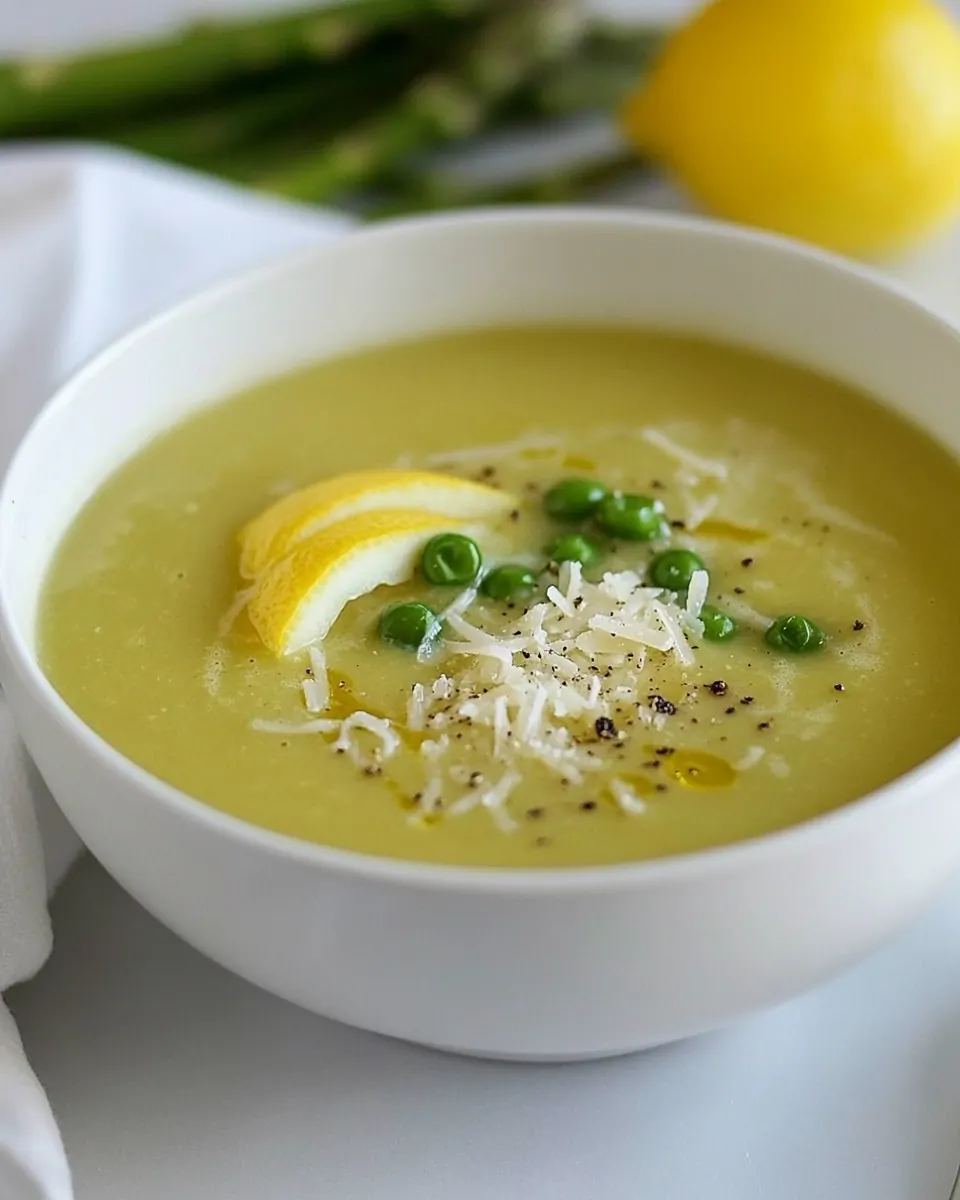
Asparagus Soup with Lemon and Parmesan
Asparagus Soup with Lemon and Parmesan is one of those recipes I reach for when spring arrives and the market stalls glow with green. The very first time I made this soup I remember the sound of the stalks snapping as I trimmed them, and the light citrus lift from lemon that brightened each spoonful. It felt like wearing a linen shirt on a warm morning, simple and refreshing, yet quietly elegant.
Over the years I’ve adjusted small things, like the timing of when to add the Parmigiano-Reggiano and whether to reserve the tips for garnish. I often invite friends over for a casual lunch and serve this alongside crusty bread, and people always comment on how creamy the texture is despite being mostly vegetables. I love that it feels indulgent without heaviness, and I usually finish it with a scattering of fresh herbs to make it feel special.
Recipe Snapshot
55 mins
15 mins
40 mins
Medium
150 kcal
American
Gluten-Free, Low FODMAP
Soups
Large pot, Immersion blender, Small pot, Blender
Why This Asparagus Soup with Lemon and Parmesan Works
Bright spring flavor
I adore how Asparagus Soup with Lemon and Parmesan captures the season. The green, vegetal notes of the asparagus come through cleanly, and the lemon adds a bright counterpoint that keeps the soup from tasting flat. When I serve it in late March or April, guests always say it tastes like the first day of spring on a spoon.
Creamy texture without cream
This recipe relies on pureed asparagus and a touch of Parmigiano-Reggiano to create a silky mouthfeel. I appreciate that you get richness without heavy cream, so it feels lighter yet satisfying. For me, that balance is the reason I return to this bowl on evenings when I want comfort without heaviness.
Simple, pantry friendly
We keep the ingredient list short, which means I can pull this together on a weeknight. With basic staples like butter, onion, and a good-quality chicken broth, the soup comes together quickly and confidently. I like recipes that reward minimal effort, and this one does exactly that.
Pretty presentation
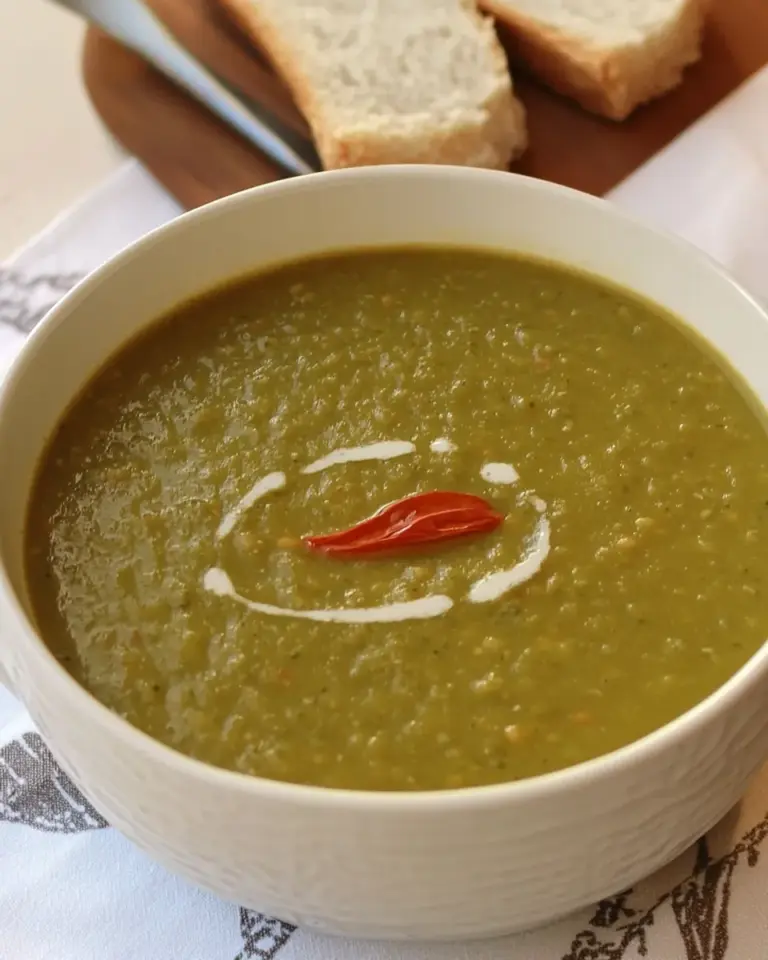
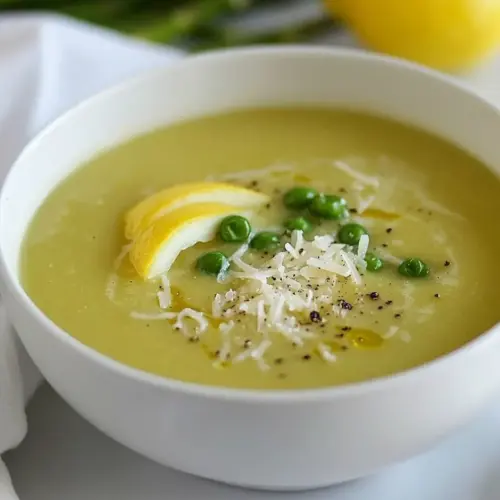
Setting aside the tips of one bunch of asparagus for garnish makes a big visual impact. I always do this when company is coming because the contrast between the smooth, pale-green soup and the bright green tips feels thoughtful without being fussy. A shower of extra Parmigiano-Reggiano and herbs finishes the bowl beautifully.
Make-ahead and freezer friendly
I often double the batch and freeze portions. When reheating, stirring in the Parmigiano-Reggiano at the end revives the flavor and texture, so leftovers taste nearly as fresh as the first day. For busy weeks, having a jar of this in the freezer is such a relief.
Key Ingredients for Asparagus Soup with Lemon and Parmesan
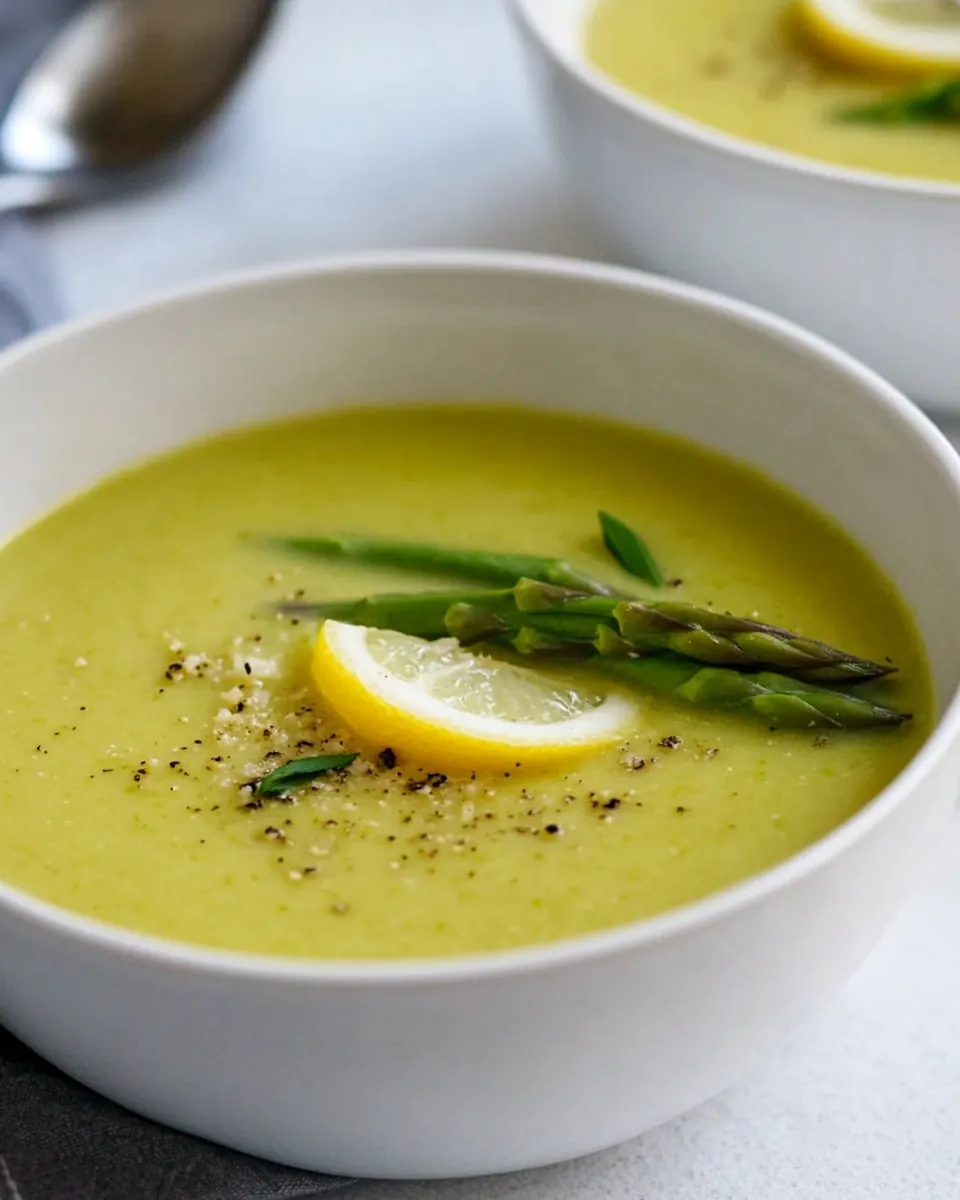
These ingredients are intentionally straightforward. Together they build a layered flavor profile where each player has a role. The asparagus provides the main vegetal note, the onion and garlic form a savory base, and the Parmigiano-Reggiano offers umami and body. The lemon brightens everything at the finish, while the chicken broth carries the flavors and keeps the mouthfeel rounded.
- 2 bunches asparagus (about 2 1/4 pounds/1 kg), bottom ends trimmed: Trimmed and tender stalks that provide the soup’s primary vegetal flavor and a delicate, slightly sweet-green aroma; steam or simmer until soft so they blend smoothly into a velvety base.
- 3 tablespoons unsalted butter: Meltable fat that builds a rich, silky mouthfeel and helps sauté the aromatics; brown gently to develop a mild nuttiness without overpowering the asparagus.
- 2 medium yellow onions, chopped: Aromatic vegetable that adds a sweet, savory backbone and depth when softened; cook until translucent to release sugars that balance the soup’s brightness.
- 3 cloves garlic, peeled and smashed: Pungent aromatics that offer a subtle savory bite and aromatic lift; crush or mince and sweat briefly to infuse the broth without becoming sharp.
- 6 cups low-sodium chicken broth: Flavorful liquid that creates the cooking medium and determines overall salt and savory intensity; use low-sodium to control seasoning as the soup reduces.
- Salt: Essential seasoning used to enhance and balance flavors throughout cooking; add gradually and taste, adjusting at the end for correct seasoning.
- Freshly ground black pepper: Ground spice that adds warm, lightly pungent notes and brightens the soup; grind fresh and season to taste for optimal flavor lift.
- 2 tablespoons freshly squeezed lemon juice, from one lemon: Citrus juice that provides bright acidity to cut through richness and enhance the asparagus’ green notes; add near the end to preserve fresh lemon flavor.
- 1/2 cup shredded Parmigiano-Reggiano: Savory aged cheese that contributes umami, creaminess and a slightly salty, nutty finish; stir in off heat to melt through and enrich the texture.
- Handful fresh herbs, such as thyme, dill or basil (, for garnish) (optional): Fresh leafy accents that furnish a fragrant finishing touch and herbaceous complexity; scatter just before serving for color and aromatic contrast.
Instructions for Asparagus Soup with Lemon and Parmesan
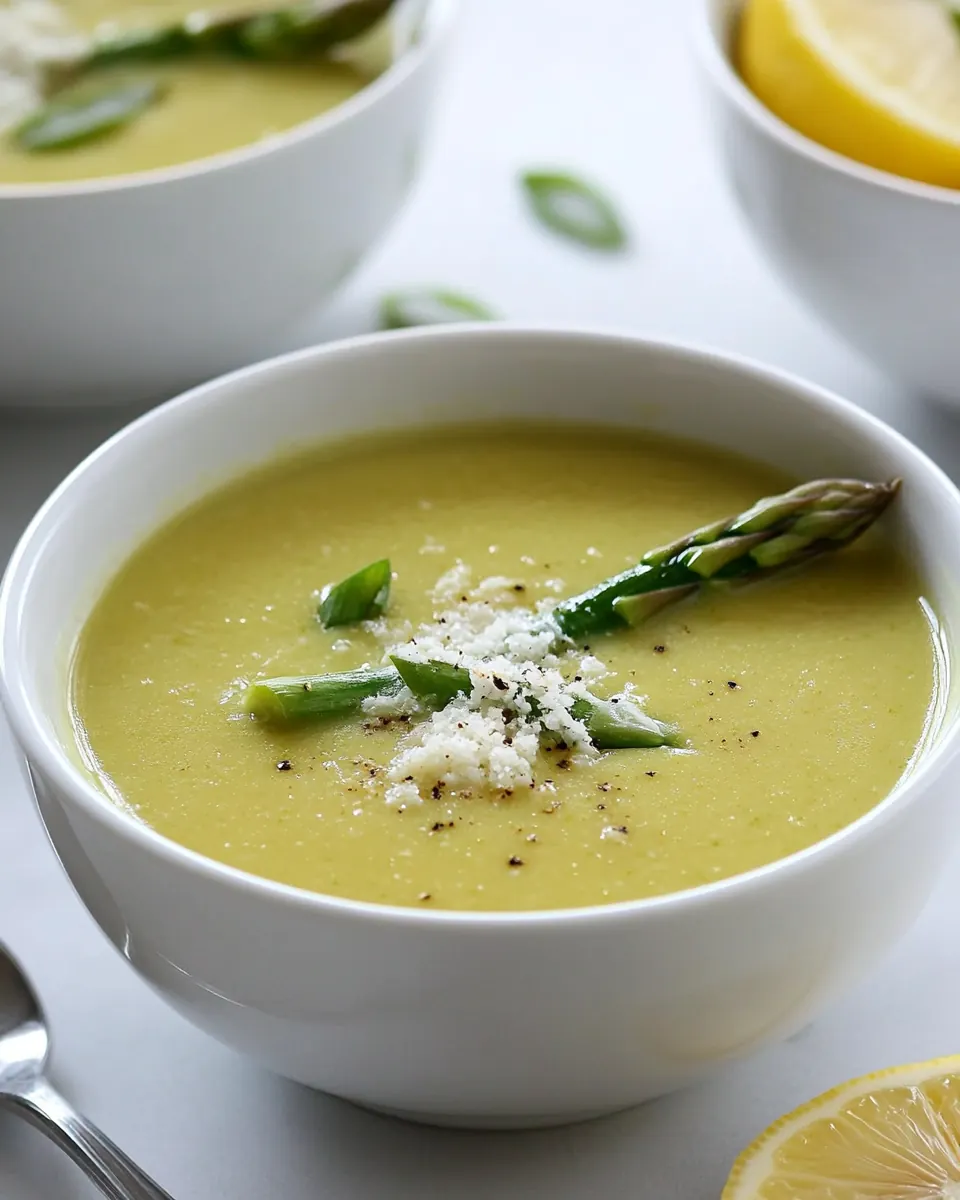
I like to think of the instructions as a gentle rhythm rather than a strict march. These steps guide you from softening aromatics to achieving a velvety puree, with sensory cues to help you know you are on track. Keep an eye on color and aroma, and taste as you go.
- Melt the butter in a large pot over medium heat. Add the onions and garlic and cook, stirring frequently, until soft and translucent, about 8 minutes. Do not brown; reduce the heat if necessary.: The air will fill with a warming, slightly sweet aroma as the onion sweats and loosens its sugars, and the garlic will give off a gentle perfume. You should see the onion turn glossy and pale, not browned, which signals the right stage. Stir frequently so nothing sticks, and keep the heat moderate to avoid browning, which would change the flavor profile. If you notice any browning, lower the heat and add a splash of broth to deglaze the pan. A common mistake here is rushing the step with high heat, which yields bitter, toasted notes instead of the intended soft, sweet base.
- In the meantime, cut the tips off of one bunch of the asparagus and set aside (you'll use those for a garnish). Cut the remaining spears and the other bunch of asparagus into 1/2-inch (13-mm) pieces.: Cutting the asparagus releases its fresh, green scent and readies it to cook through evenly. The reserved tips will remain vibrant and tender when blanched later, so set them aside carefully. Uniform pieces ensure consistent texture after simmering. Avoid using woody bottoms in the soup; discard or compost them, as they stay fibrous. If pieces are uneven, you risk some becoming mushy while others remain undercooked.
- Add the chopped asparagus to the pot (minus the reserved tips), along with the chicken broth, 1 teaspoon salt and 1/4 teaspoon pepper. Bring to a boil, then cover and turn the heat down to low. Simmer for about 30 minutes, or until the vegetables are very tender.: As the pot comes to a gentle boil, it will steam and the broth will take on a pale green hue. Covering helps coax tenderness while conserving flavor. When you lift the lid, the aroma should be fresh and vegetal, and the spears should yield easily to a fork. This long, slow simmer softens fibers so the final puree is silky. If the soup tastes flat after simmering, it usually means it needs more salt or a squeeze of lemon . A common pitfall is undercooking the vegetables, which produces a gritty texture after pureeing.
- Meanwhile, bring a small pot of salted water to a boil. Cook the reserved asparagus tips for a few minutes, or until tender-crisp. Drain the tips and then place them in a bowl of ice water to 'shock' them—this stops the cooking process and preserves their bright green color. Once the tips are cool, drain them and set aside.: The brief blanch and immediate ice bath lock in the vibrant color and snap of the garnish, and the contrast between soft soup and crisp tips is delightful. When you bite one of the blanched tips, it should offer a quick, fresh snap rather than limp mush. Be careful not to overcook here, since the tips will finish warming when added to the bowls. Overblanching leads to dull color and a flabby texture.
- Purée the soup with an immersion blender until completely smooth. (Alternatively, use a standard blender to purée the soup in batches, then return the soup to the pot.) Bring the soup back to a simmer and stir in the lemon juice and Parmigiano-Reggiano. Taste and adjust seasoning, if necessary. To thicken the soup, allow it to simmer, uncovered, until the desired consistency is reached.: The moment you puree, the kitchen fills with a concentrated green aroma, and the texture transforms into a velvety, ribbon-like consistency. If using a blender, fill it only halfway and vent the lid slightly to release steam safely. After returning to the pot, the lemon will lift the flavors while the Parmigiano–Reggiano melts into a savory silk. If the soup feels too thin, a gentle simmer will reduce it and intensify flavor, but avoid vigorous boiling which can dull the lemon's brightness. A frequent error is overheating after adding cheese, which can cause the dairy to separate and grain the texture.
- Ladle the soup into bowls, then top each bowl with asparagus tips, Parmigiano-Reggiano, herbs (if using), and freshly ground black pepper.: The final assembly is about contrast and finishing touches. Spoon the pale green soup into warm bowls so it stays hot longer, then artfully scatter the blanched tips for color and texture. A final grating of Parmigiano–Reggiano melts slightly and adds shimmering flecks, while a few turns of black pepper give a gentle lift. If you notice the soup separating or looking oily, it likely overheated when the cheese was added; gently whisking off heat usually brings it back together. Presentation matters, and a neat garnish makes the bowl feel restaurant-worthy.
Recipe Variations about Asparagus Soup with Lemon and Parmesan
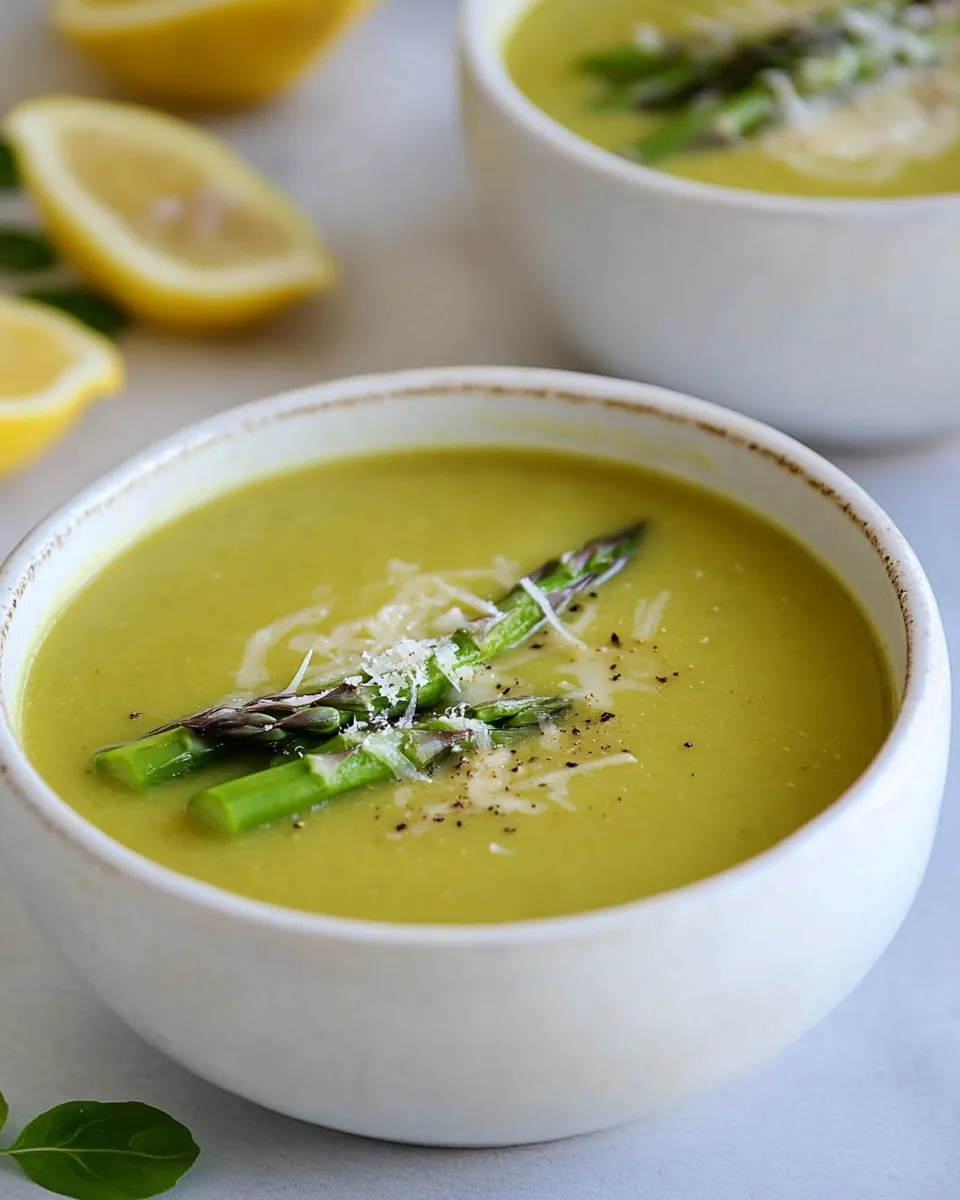
I like offering variations that respect the original flavors while giving you flexible options. Below are ideas for changing texture, presentation, and small ingredient swaps to suit diet and mood.
- Make it vegetarian: Replace chicken broth with a high quality vegetable broth to keep the soup vegetarian while maintaining depth, and taste carefully for salt since vegetable broths vary in intensity.
- Extra cheesy finish: Stir in an additional spoonful of Parmigiano-Reggiano off the heat for a creamier mouthfeel, but avoid boiling afterwards to prevent separation of the cheese.
- Herb-forward garnish: Use a generous handful of chopped fresh dill or basil as garnish to change the aromatic profile; add just before serving so the herbs stay bright and fragrant.
- Thicker consistency: Simmer the pureed soup uncovered for a few minutes to reduce and concentrate flavors, watch closely to prevent splattering or scorching on the pot bottom.
- Make-ahead strategy: Freeze portions in airtight containers without cheese, and when reheating, defrost overnight and add the Parmigiano-Reggiano while warming on the stovetop for best texture.
How to Serve Asparagus Soup with Lemon and Parmesan
This soup is versatile, and how you serve it can shift it from a light lunch to an elegant starter. Below are serving suggestions, pairings, and storage ideas to help you plan an occasion around this bowl of spring.
- As a starter for dinner: Serve small bowls of Asparagus Soup with Lemon and Parmesan before a main course like roast chicken or grilled fish to awaken the palate with bright, herbal notes.
- Casual lunch: Pair a generous bowl with a piece of crusty bread and a simple salad for a relaxed midday meal that feels balanced and satisfying.
- Special occasion: For a dinner party, present the soup in warm bowls, top with reserved tips and a drizzle of good olive oil, and add a small sprinkle of extra Parmigiano-Reggiano so each guest gets a moment of savory richness.
- Ramadan and fasting-friendly: This soup makes a gentle, nourishing option to break a fast; serve warm with bread and a side of fruit for a restorative iftar.
- Storage tips: Cool the soup quickly, then refrigerate in airtight containers for up to three days. For longer storage, freeze in meal-sized portions for up to three months, leaving out the Parmigiano-Reggiano until reheating.
- Seasonal pairings: Highlight spring produce by serving alongside a radish and cucumber salad, or a plate of tender roasted new potatoes to create a full seasonal menu.
FAQ
Conclusion
Asparagus Soup with Lemon and Parmesan shines because it pairs simple ingredients for a bright, silky bowl that feels both comforting and elegant. Give it a try this spring when asparagus is at its peak, and you will have a go to starter or light meal that comes together without fuss. I hope this recipe becomes one of your favorites for early season dinners and casual lunches, bringing a fresh, green note to your table.
Asparagus Soup with Lemon and Parmesan
Equipment
- Large Pot
- Immersion Blender
- Small pot
- Blender
Ingredients
- 2 bunches asparagus (about 2 1/4 pounds/1 kg), bottom ends trimmed Trimmed and tender stalks that provide the soup’s primary vegetal flavor and a delicate, slightly sweet-green aroma; steam or simmer until soft so they blend smoothly into a velvety base.
- 3 tablespoons unsalted butter Meltable fat that builds a rich, silky mouthfeel and helps sauté the aromatics; brown gently to develop a mild nuttiness without overpowering the asparagus.
- 2 medium yellow onions, chopped Aromatic vegetable that adds a sweet, savory backbone and depth when softened; cook until translucent to release sugars that balance the soup’s brightness.
- 3 cloves garlic, peeled and smashed Pungent aromatics that offer a subtle savory bite and aromatic lift; crush or mince and sweat briefly to infuse the broth without becoming sharp.
- 6 cups low-sodium chicken broth Flavorful liquid that creates the cooking medium and determines overall salt and savory intensity; use low-sodium to control seasoning as the soup reduces.
- Salt Essential seasoning used to enhance and balance flavors throughout cooking; add gradually and taste, adjusting at the end for correct seasoning.
- Freshly ground black pepper Ground spice that adds warm, lightly pungent notes and brightens the soup; grind fresh and season to taste for optimal flavor lift.
- 2 tablespoons freshly squeezed lemon juice, from one lemon Citrus juice that provides bright acidity to cut through richness and enhance the asparagus’ green notes; add near the end to preserve fresh lemon flavor.
- 1/2 cup shredded Parmigiano-Reggiano Savory aged cheese that contributes umami, creaminess and a slightly salty, nutty finish; stir in off heat to melt through and enrich the texture.
- Handful fresh herbs, such as thyme, dill or basil (optional, for garnish) Fresh leafy accents that furnish a fragrant finishing touch and herbaceous complexity; scatter just before serving for color and aromatic contrast.
Instructions
- Melt the butter in a large pot over medium heat. Add the onions and garlic and cook, stirring frequently, until soft and translucent, about 8 minutes. Do not brown; reduce the heat if necessary.: The air will fill with a warming, slightly sweet aroma as the onion sweats and loosens its sugars, and the garlic will give off a gentle perfume. You should see the onion turn glossy and pale, not browned, which signals the right stage. Stir frequently so nothing sticks, and keep the heat moderate to avoid browning, which would change the flavor profile. If you notice any browning, lower the heat and add a splash of broth to deglaze the pan. A common mistake here is rushing the step with high heat, which yields bitter, toasted notes instead of the intended soft, sweet base.
- In the meantime, cut the tips off of one bunch of the asparagus and set aside (you'll use those for a garnish). Cut the remaining spears and the other bunch of asparagus into 1/2-inch (13-mm) pieces.: Cutting the asparagus releases its fresh, green scent and readies it to cook through evenly. The reserved tips will remain vibrant and tender when blanched later, so set them aside carefully. Uniform pieces ensure consistent texture after simmering. Avoid using woody bottoms in the soup; discard or compost them, as they stay fibrous. If pieces are uneven, you risk some becoming mushy while others remain undercooked.
- Add the chopped asparagus to the pot (minus the reserved tips), along with the chicken broth, 1 teaspoon salt and 1/4 teaspoon pepper. Bring to a boil, then cover and turn the heat down to low. Simmer for about 30 minutes, or until the vegetables are very tender.: As the pot comes to a gentle boil, it will steam and the broth will take on a pale green hue. Covering helps coax tenderness while conserving flavor. When you lift the lid, the aroma should be fresh and vegetal, and the spears should yield easily to a fork. This long, slow simmer softens fibers so the final puree is silky. If the soup tastes flat after simmering, it usually means it needs more salt or a squeeze of lemon . A common pitfall is undercooking the vegetables, which produces a gritty texture after pureeing.
- Meanwhile, bring a small pot of salted water to a boil. Cook the reserved asparagus tips for a few minutes, or until tender-crisp. Drain the tips and then place them in a bowl of ice water to 'shock' them—this stops the cooking process and preserves their bright green color. Once the tips are cool, drain them and set aside.: The brief blanch and immediate ice bath lock in the vibrant color and snap of the garnish, and the contrast between soft soup and crisp tips is delightful. When you bite one of the blanched tips, it should offer a quick, fresh snap rather than limp mush. Be careful not to overcook here, since the tips will finish warming when added to the bowls. Overblanching leads to dull color and a flabby texture.
- Purée the soup with an immersion blender until completely smooth. (Alternatively, use a standard blender to purée the soup in batches, then return the soup to the pot.) Bring the soup back to a simmer and stir in the lemon juice and Parmigiano-Reggiano. Taste and adjust seasoning, if necessary. To thicken the soup, allow it to simmer, uncovered, until the desired consistency is reached.: The moment you puree, the kitchen fills with a concentrated green aroma, and the texture transforms into a velvety, ribbon-like consistency. If using a blender, fill it only halfway and vent the lid slightly to release steam safely. After returning to the pot, the lemon will lift the flavors while the Parmigiano-Reggiano melts into a savory silk. If the soup feels too thin, a gentle simmer will reduce it and intensify flavor, but avoid vigorous boiling which can dull the lemon's brightness. A frequent error is overheating after adding cheese, which can cause the dairy to separate and grain the texture.
- Ladle the soup into bowls, then top each bowl with asparagus tips, Parmigiano-Reggiano, herbs (if using), and freshly ground black pepper.: The final assembly is about contrast and finishing touches. Spoon the pale green soup into warm bowls so it stays hot longer, then artfully scatter the blanched tips for color and texture. A final grating of Parmigiano-Reggiano melts slightly and adds shimmering flecks, while a few turns of black pepper give a gentle lift. If you notice the soup separating or looking oily, it likely overheated when the cheese was added; gently whisking off heat usually brings it back together. Presentation matters, and a neat garnish makes the bowl feel restaurant-worthy.
Notes
- Make it vegetarian: Replace chicken broth with a high quality vegetable broth to keep the soup vegetarian while maintaining depth, and taste carefully for salt since vegetable broths vary in intensity.
- Extra cheesy finish: Stir in an additional spoonful of Parmigiano-Reggiano off the heat for a creamier mouthfeel, but avoid boiling afterwards to prevent separation of the cheese.
- Herb-forward garnish: Use a generous handful of chopped fresh dill or basil as garnish to change the aromatic profile; add just before serving so the herbs stay bright and fragrant.
- Thicker consistency: Simmer the pureed soup uncovered for a few minutes to reduce and concentrate flavors, watch closely to prevent splattering or scorching on the pot bottom.
- Make-ahead strategy: Freeze portions in airtight containers without cheese, and when reheating, defrost overnight and add the Parmigiano-Reggiano while warming on the stovetop for best texture.