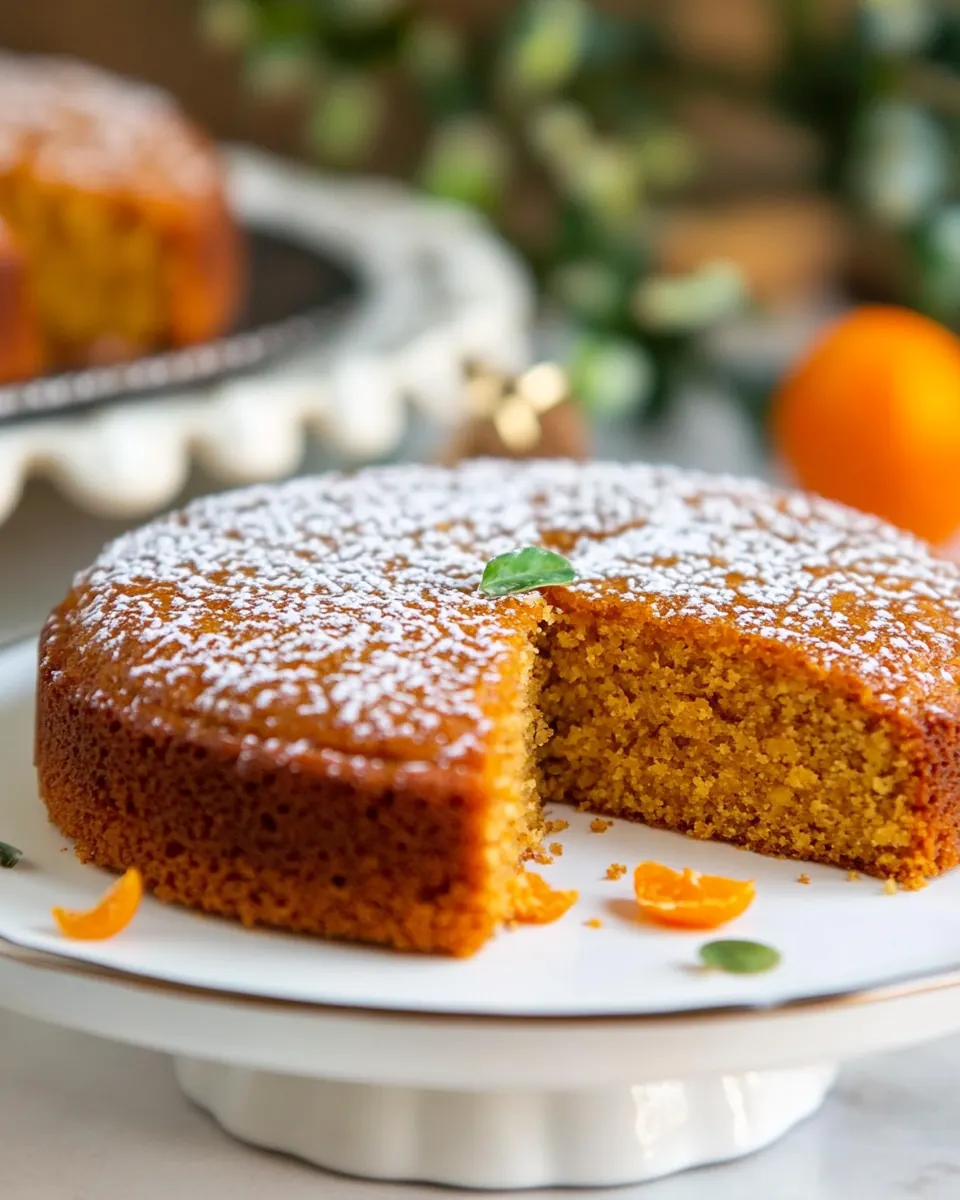
Almond Flour Clementine Cake
Almond Flour Clementine Cake began as a small experiment on a gray winter afternoon when I had a bag of clementines that smelled impossibly bright on the counter. I wanted something that felt homey and not fussy, a cake that honored fruit more than sugar, and that could be made without reaching for wheat flour. The idea of using whole clementines, rind and all, appealed to me because it concentrates the citrus aroma and keeps the crumb tender thanks to the natural oils in the peel.
I remember simmering those little fruits for hours, the kitchen filling with a gentle, perfumed steam that reminded me of holiday mornings but without the fuss. While the clementines softened, I beat eggs until they were glossy and incorporated finely ground almond flour and just a touch of leavening for lift. The batter felt silky and smelled of citrus and warm nutty notes, and I told myself this would be one of those recipes I make again and again when I want comfort with a bright edge.
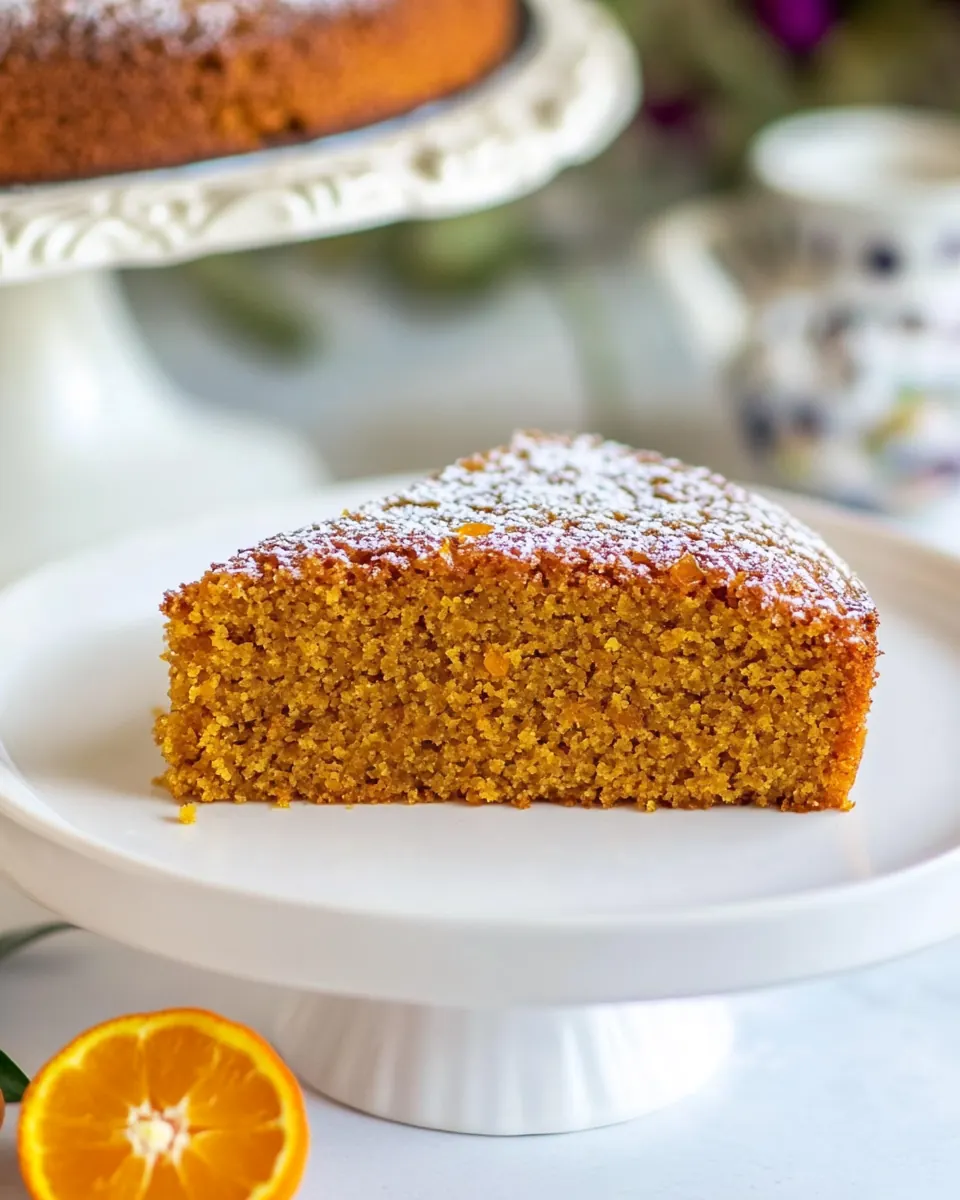
The texture after baking surprised me in the best way, dense but soft, with an almost marmalade-like burst from the clementine puree. When cooled, the crumb held together neatly, and the aroma lingered for days. I slice this cake thinly with my morning coffee, or offer a small wedge when friends stop by, and inevitably someone asks how it can taste so intensely citrusy without being syrupy.
Recipe Snapshot
1 hr 10 mins
20 mins
50 mins
Medium
350 kcal
American
Gluten-Free, Low FODMAP
Desserts
Pot, Food Processor or Blender, Mixing Bowl, 8-inch or 9-inch Spring Form Pan, Parchment Paper, Oven
The Beauty of This Almond Flour Clementine Cake
Bright citrus flavor concentrated through smart technique
I love how the method of cooking whole clementines until soft concentrates their sweetness and gives the cake a deep citrus aroma. The rind contributes essential oils that smell almost floral when the cake bakes, and that complexity is hard to get from juice alone. I often find myself closing my eyes and inhaling the steam as it comes from the oven, because the scent tells me the cake will be flavorful and balanced.
Gluten free, naturally tender crumb
Because this recipe uses almond flour as the primary dry ingredient, the cake stays moist and has a tender, slightly dense crumb that is satisfying. I appreciate that it provides a naturally gluten free option without needing a long list of specialty ingredients. The texture is more intimate than an airy sponge, which makes each bite feel substantial and comforting.
Simple pantry friendly ingredients
One of the reasons I reach for this cake often is how few ingredients you need. With just clementines, eggs, almond flour, coconut sugar, and a bit of baking powder, you can create something impressive. That simplicity makes it approachable at the end of a busy week when I want to make a thoughtful dessert without fuss.
Versatile for occasions and everyday
I like serving this cake at casual brunches or as a small after-dinner treat. It feels special enough for a holiday table, and humble enough to slice for weekday coffee. The balance of tart and sweet means you can pair it with plain yogurt, a smear of honey, or simply enjoy it on its own.
Hands on, rewarding technique
The process of boiling whole clementines, blending them, and folding into the batter is tactile and satisfying. It invites you to slow down and pay attention to texture and smell, and that hands on approach results in a cake that tastes like care. I always tell friends that the method is worth the slight extra time because the flavor payoff is large.
Ingredients Required for Almond Flour Clementine Cake
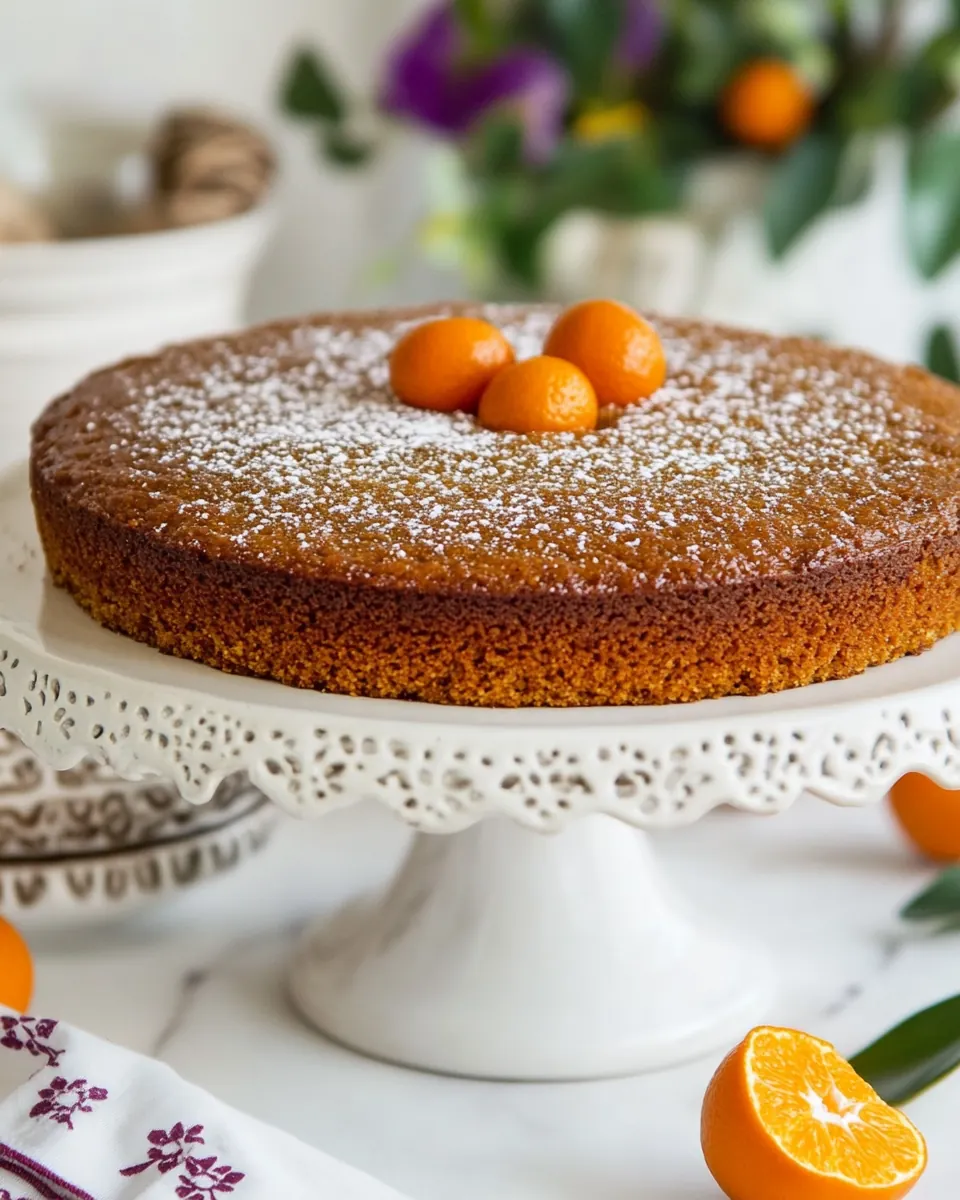
These ingredients are deliberately short but potent. The philosophy here is to let the clementines shine while the almond flour provides structure and a gentle, nutty richness. The eggs give lift and cohesion, while the coconut sugar balances brightness with warm sweetness. A little baking powder ensures the cake rises evenly and has the right tenderness.
- 5 whole clementines just under 1 pound: Adds bright citrus flavor and moisture when cooked; simmering and pureeing whole clementines (peel and all) mellows bitterness and incorporates oils from the zest. Provides natural sweetness and a tender crumb while contributing a fragrant aroma to the finished cake.
- 6 large eggs: Enriches the batter with structure, lift, and richness; whisking eggs creates emulsification that binds almond flour and fruit purée together. Helps set the cake during baking and adds a silky, tender mouthfeel.
- 2.5 cups finely ground almond flour: Offers a nutty, tender crumb and gluten-free structure that replaces wheat flour without compromising density. Finely ground texture ensures even hydration and a moist, delicate cake that highlights the clementine flavor.
- 1 cup coconut sugar: Sweetens the cake with a lower-glycemic, caramel-like note that complements citrus and almonds; dissolves into the batter for uniform sweetness. Helps brown the crust and contributes subtle depth without overpowering the fruit.
- 1 teaspoon baking powder: Provides gentle lift and helps the cake rise slightly by introducing air when reacting with eggs and heat. Use sparingly to avoid altering the delicate almond-citrus texture while ensuring a light, tender crumb.
Almond Flour Clementine Cake Instructions
I like to walk through the steps conversationally so you can sense the rhythm of the recipe. Each stage has clear visual and aromatic cues, and paying attention ensures a reliably beautiful cake. Below I expand each direction so you know what to look for, what to listen for, and what to avoid.
- Place whole clementines (rind included!!) in a pot and fill with water. Bring to a full boil on the stove top. Reduce heat to a gentle boil and cook for 2 hours. Drain clementines and allow them to cool to room temperature.: The first sensory cue is the citrus scent that begins to build as the water warms. You will hear a quiet rising hum as the pot approaches boil, and you can watch the fruit shift and bob in the water. This step softens the peel and reduces bitterness, making the rind edible and fragrant. Why it matters, the rind contains oils that give the cake its intense citrus aroma, so cooking them until soft is essential. Troubleshooting tip, if the water level drops too low, add more hot water to keep the clementines submerged so they cook evenly.
- Preheat oven to 375 degrees F and line an 8-inch or 9-inch spring form pan with parchment paper.: As the pot reaches a rolling boil, expect steady, active bubbles and a stronger citrus steam that will fill the kitchen. Boiling breaks down pectin in the peel and helps the fruit soften uniformly. This energetic boil is necessary so the fruit cooks through; a weak simmer will leave the rinds tough. A common mistake to avoid is leaving the pot unattended, which can evaporate water too quickly, so monitor the pot and top up as needed.
- Cut the cooled clementines in half and remove the seeds. Transfer the clementines to a food processor or blender and process until smooth.: During this long simmer you will notice the fruit gradually collapsing and the aroma mellowing from sharp to warm and rounded. The slow, consistent heat is what releases bitterness and concentrates sweetness. The reason we cook this long is to make the rind tender enough to puree smoothly, and to develop a deep citrus character. One error to watch for is aggressive boiling that breaks the fruit apart too soon, which can make straining difficult; keep it gently bubbling.
- Beat the eggs in a mixing bowl until well-beaten. Transfer the remaining ingredients for the cake, including the clementine puree, to the mixing bowl and mix just until combined. Note: if you prefer, you can blend all of the ingredients in the same blender/food processor you used to blend the clementines.: After draining, the first touch will tell you the fruit is soft when it easily yields to pressure. Cooling stops further cooking and makes them safe to handle and cut. Why cool, heat can change texture and make pureeing inconsistent if you blend piping hot fruit. Avoid blending while they are too warm, which can create steam pressure in the processor and a mess when you open the lid.
- Transfer cake batter to prepared spring form pan.: As the oven comes to temperature you will feel the kitchen warm and see the light inside the oven glow, a reassuring sign. Proper preheating ensures the cake begins to set immediately when it goes in, which supports rise and browning. Lining the pan keeps release easy and preserves the cake shape. Don’t skip preheating, as starting in a cool oven can lead to uneven texture and poor lift.
- Bake 40 to 50 minutes, until cake is golden brown around the edges, and feels firm when gently poked in the center. Turn off oven and allow cake to sit an additional 5 minutes in the still hot oven (note: I bake my cake for 40 minutes).: The halves reveal softened flesh and easy to extract seeds, and as you work you will notice the concentrated citrus perfume. Removing seeds avoids bitter pockets in the final cake. This step matters because seeds can impart bitterness and gritty texture. A common slip is forgetting to check all segments for seeds, so take a few extra seconds to scan each half carefully.
- Allow cake to cool at least 1 hour before slicing and serving: When you pulse the blender you will observe the fruit change from chunks to a glossy puree, releasing more aroma as it emulsifies. The smoothness of the puree affects distribution of citrus throughout the cake. Achieving a velvety texture prevents pockets of tough peel in the crumb. If your puree seems watery, blend briefly until cohesive, but be aware that overblending will warm the mixture; cool if necessary before continuing.
- Beat the eggs in a mixing bowl until well-beaten: Beating eggs creates a shiny, slightly voluminous liquid that melds more easily with dry ingredients. The sound is a steady whisking and the visual cue is a uniform, pale mixture that flows smoothly. Properly beaten eggs improve texture and integration of the batter. Avoid underwhipping, which can lead to uneven texture, and overwhipping, which can make the batter too tight and affect the final crumb.
- Transfer the remaining ingredients for the cake, including the clementine puree, to the mixing bowl and mix just until combined: At this stage you will notice the batter take on a glossy sheen and a fragrant citrus aroma, with the almond flour folded in and coconut sugar distributed. Mixing just until combined ensures the crumb remains tender, because overmixing can develop a dense structure even in almond batters. The why, gentle mixing prevents a heavy, gummy cake. A frequent error is vigorous mixing that incorporates too much air or overworks the almond flour, so use slow folds until uniform.
- Note: if you prefer, you can blend all of the ingredients in the same blender/food processor you used to blend the clementines : Using a single appliance creates a smooth, homogenous batter and saves cleanup, and you will see a silky, uniform mixture when finished. This technique is efficient and can improve integration of fruit and eggs. The tradeoff is you must scrape the bowl well to ensure even mixing. Watch for overheating if you pulse too long, which can affect texture, and stop to scrape the sides periodically.
- Transfer cake batter to prepared spring form pan: As you pour, the batter should move slowly and settle into a smooth top, and you might smell the almond and citrus together. Proper transfer preserves any air incorporated and sets up even baking. This matters because an even surface bakes uniformly, preventing domes or sunken centers. Avoid slopping batter unevenly; use a spatula to level gently.
- Bake 40 to 50 minutes, until cake is golden brown around the edges, and feels firm when gently poked in the center: In the oven you will see the edges take on deep golden color and smell a toasty, nutty aroma. The cake will sound slightly hollow when tapped, and a gentle poke in the center should spring back. These cues tell you the moisture has set without drying out. If you underbake, the center will be too wet and collapse as it cools, so test with a gentle touch and rely on color as well as feel.
- Turn off oven and allow cake to sit an additional 5 minutes in the still hot oven (note: I bake my cake for 40 minutes) : Letting the cake rest in the warming oven allows residual heat to finish setting the center gently, reducing the risk of a sunken top. You will notice the crumb become more stable and the aroma deepen slightly. This step matters for a gentle finish and cohesive texture. A mistake here is opening the oven too early, which can cause temperature shock and a collapsed center.
- Allow cake to cool at least 1 hour before slicing and serving: Cooling transforms the cake from fragile to sliceable, and you will see the crumb firm and the aroma mellow into a consistent flavor. Patience here rewards you with clean slices and the best mouthfeel. If you slice too soon the cake may crumble or be gummy in the center, so give it time to set fully on a rack.
Variations to Try
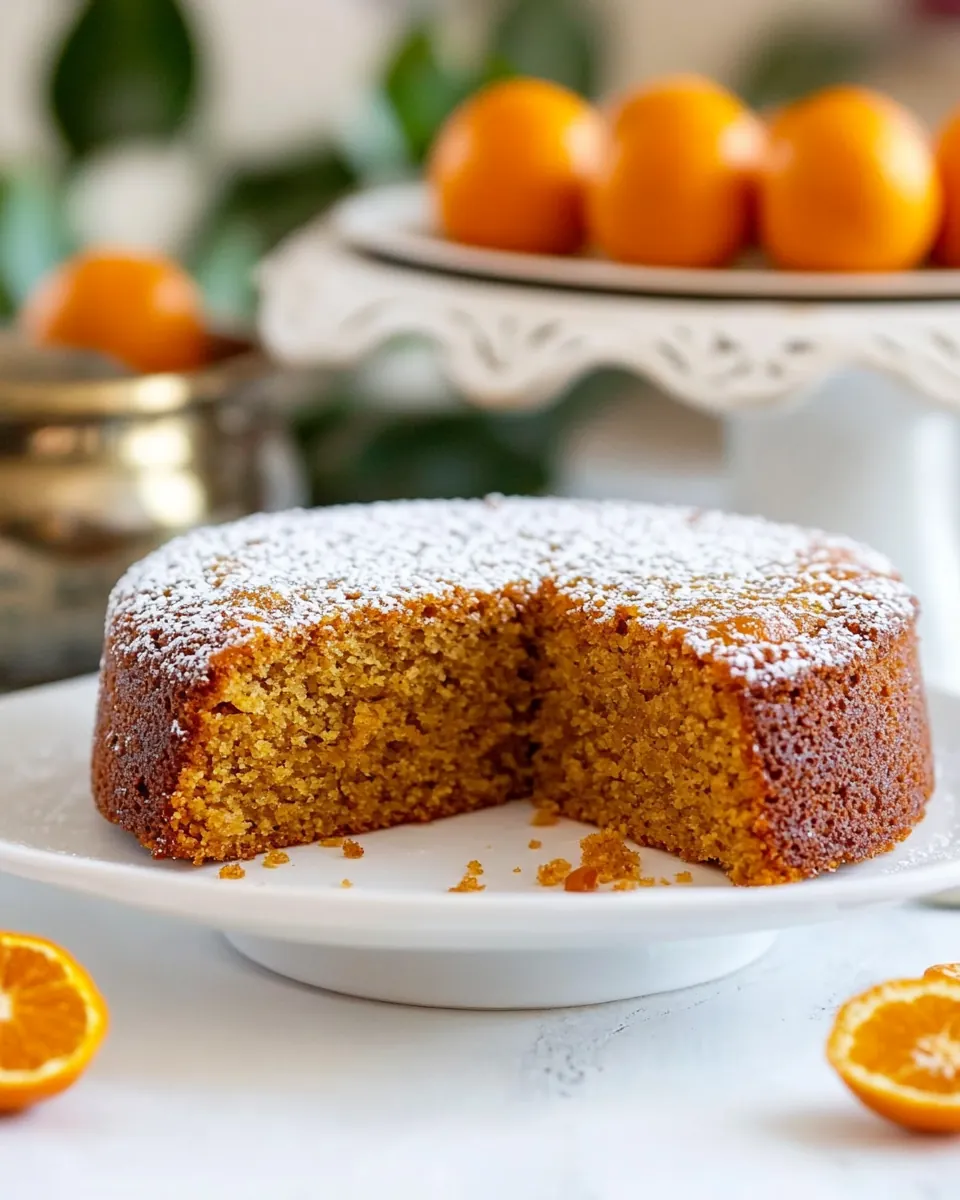
This cake adapts well to small swaps and seasonal twists. Below are ideas to explore, each starting with a bold phrase to guide your experiment. These suggestions are practical and focused on flavor and texture adjustments, not ingredient overhauls.
- Use navel oranges instead of clementines: For a slightly sweeter, less assertive citrus profile, navel oranges yield a familiar orange flavor and a fuller body; adjust simmer time if fruit is larger so the peels soften completely.
- Replace coconut sugar with pure maple syrup from notes: If you prefer a liquid sweetener, maple syrup will add deep caramel notes and a moist crumb, but reduce other liquids slightly to compensate for added moisture.
- Try a mix of almond and tapioca flour: Adding a small portion of tapioca from the notes can lighten the texture while keeping the cake tender, just be careful not to overdo it as too much will create a gummy result.
- Scale for a larger pan: If you want more servings, scale ingredients proportionally to fit a 9-inch pan and monitor bake time closely, adding time in small increments until set and golden.
- Use a food processor for everything: Blending all ingredients in one appliance creates a homogenous batter and simplifies clean up, just stop to scrape the bowl for even mixing.
- Adjust sweetness to taste: If your clementines are very sweet, reduce the coconut sugar slightly to let the fruit shine without the cake becoming cloying.
What to Serve Alongside Almond Flour Clementine Cake
This cake is versatile on the table, pairing well with simple accompaniments that amplify its bright citrus and nutty character. Below I list serving suggestions, seasonal pairings, and storage ideas so you can present this cake beautifully for many occasions.
- Serve with plain yogurt: A spoonful of plain yogurt balances the cake’s sweetness and adds a creamy, tangy contrast that highlights the citrus notes.
- Pair with coffee or tea for brunch: The almond and clementine aromas complement medium roast coffee or a fragrant tea, making this a lovely brunch centerpiece.
- Offer small slices after dinner: Its modest sweetness makes it an elegant, lighter dessert to end a meal without feeling heavy.
- Seasonal holiday table option: In winter the bright citrus cuts through richer menus, so present thin slices alongside other festive sweets for contrast.
- Storage tip for freshness: Wrap the cooled cake tightly and store at room temperature for up to two days, or refrigerate up to five days to maintain moisture; bring to room temperature before serving for best flavor.
- Occasions to serve: This cake works for casual coffee visits, small celebrations, or as a thoughtful homemade gift when packaged in a box with parchment.
FAQ
Conclusion
This cake stands out for its concentrated citrus flavor and tender, almond rich crumb, a result of cooking whole clementines and using finely ground almond flour. Give it a try when you want a dessert that feels both simple and thoughtful, one that rewards a little patience with big flavor. I hope you enjoy the process of simmering, pureeing, and baking as much as I do, and that a slice of this cake becomes a small ritual in your kitchen.
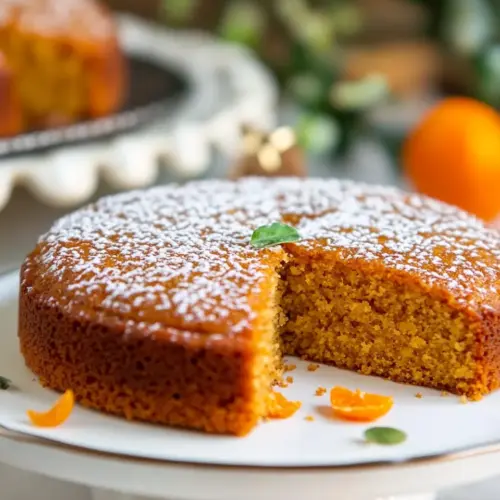
Almond Flour Clementine Cake
Equipment
- Pot
- Food processor or blender
- Mixing Bowl
- 8-inch or 9-inch Spring Form Pan
- Parchment Paper
- Oven
Ingredients
- 5 whole clementines just under 1 pound Adds bright citrus flavor and moisture when cooked; simmering and pureeing whole clementines (peel and all) mellows bitterness and incorporates oils from the zest. Provides natural sweetness and a tender crumb while contributing a fragrant aroma to the finished cake.
- 6 large eggs Enriches the batter with structure, lift, and richness; whisking eggs creates emulsification that binds almond flour and fruit purée together. Helps set the cake during baking and adds a silky, tender mouthfeel.
- 2.5 cups finely ground almond flour Offers a nutty, tender crumb and gluten-free structure that replaces wheat flour without compromising density. Finely ground texture ensures even hydration and a moist, delicate cake that highlights the clementine flavor.
- 1 cup coconut sugar Sweetens the cake with a lower-glycemic, caramel-like note that complements citrus and almonds; dissolves into the batter for uniform sweetness. Helps brown the crust and contributes subtle depth without overpowering the fruit.
- 1 teaspoon baking powder Provides gentle lift and helps the cake rise slightly by introducing air when reacting with eggs and heat. Use sparingly to avoid altering the delicate almond-citrus texture while ensuring a light, tender crumb.
Instructions
- Place whole clementines (rind included!!) in a pot and fill with water. Bring to a full boil on the stove top. Reduce heat to a gentle boil and cook for 2 hours. Drain clementines and allow them to cool to room temperature.: The first sensory cue is the citrus scent that begins to build as the water warms. You will hear a quiet rising hum as the pot approaches boil, and you can watch the fruit shift and bob in the water. This step softens the peel and reduces bitterness, making the rind edible and fragrant. Why it matters, the rind contains oils that give the cake its intense citrus aroma, so cooking them until soft is essential. Troubleshooting tip, if the water level drops too low, add more hot water to keep the clementines submerged so they cook evenly.
- Preheat oven to 375 degrees F and line an 8-inch or 9-inch spring form pan with parchment paper.: As the pot reaches a rolling boil, expect steady, active bubbles and a stronger citrus steam that will fill the kitchen. Boiling breaks down pectin in the peel and helps the fruit soften uniformly. This energetic boil is necessary so the fruit cooks through; a weak simmer will leave the rinds tough. A common mistake to avoid is leaving the pot unattended, which can evaporate water too quickly, so monitor the pot and top up as needed.
- Cut the cooled clementines in half and remove the seeds. Transfer the clementines to a food processor or blender and process until smooth.: During this long simmer you will notice the fruit gradually collapsing and the aroma mellowing from sharp to warm and rounded. The slow, consistent heat is what releases bitterness and concentrates sweetness. The reason we cook this long is to make the rind tender enough to puree smoothly, and to develop a deep citrus character. One error to watch for is aggressive boiling that breaks the fruit apart too soon, which can make straining difficult; keep it gently bubbling.
- Beat the eggs in a mixing bowl until well-beaten. Transfer the remaining ingredients for the cake, including the clementine puree, to the mixing bowl and mix just until combined. Note: if you prefer, you can blend all of the ingredients in the same blender/food processor you used to blend the clementines.: After draining, the first touch will tell you the fruit is soft when it easily yields to pressure. Cooling stops further cooking and makes them safe to handle and cut. Why cool, heat can change texture and make pureeing inconsistent if you blend piping hot fruit. Avoid blending while they are too warm, which can create steam pressure in the processor and a mess when you open the lid.
- Transfer cake batter to prepared spring form pan.: As the oven comes to temperature you will feel the kitchen warm and see the light inside the oven glow, a reassuring sign. Proper preheating ensures the cake begins to set immediately when it goes in, which supports rise and browning. Lining the pan keeps release easy and preserves the cake shape. Don’t skip preheating, as starting in a cool oven can lead to uneven texture and poor lift.
- Bake 40 to 50 minutes, until cake is golden brown around the edges, and feels firm when gently poked in the center. Turn off oven and allow cake to sit an additional 5 minutes in the still hot oven (note: I bake my cake for 40 minutes).: The halves reveal softened flesh and easy to extract seeds, and as you work you will notice the concentrated citrus perfume. Removing seeds avoids bitter pockets in the final cake. This step matters because seeds can impart bitterness and gritty texture. A common slip is forgetting to check all segments for seeds, so take a few extra seconds to scan each half carefully.
- Allow cake to cool at least 1 hour before slicing and serving: When you pulse the blender you will observe the fruit change from chunks to a glossy puree, releasing more aroma as it emulsifies. The smoothness of the puree affects distribution of citrus throughout the cake. Achieving a velvety texture prevents pockets of tough peel in the crumb. If your puree seems watery, blend briefly until cohesive, but be aware that overblending will warm the mixture; cool if necessary before continuing.
- Beat the eggs in a mixing bowl until well-beaten: Beating eggs creates a shiny, slightly voluminous liquid that melds more easily with dry ingredients. The sound is a steady whisking and the visual cue is a uniform, pale mixture that flows smoothly. Properly beaten eggs improve texture and integration of the batter. Avoid underwhipping, which can lead to uneven texture, and overwhipping, which can make the batter too tight and affect the final crumb.
- Transfer the remaining ingredients for the cake, including the clementine puree, to the mixing bowl and mix just until combined: At this stage you will notice the batter take on a glossy sheen and a fragrant citrus aroma, with the almond flour folded in and coconut sugar distributed. Mixing just until combined ensures the crumb remains tender, because overmixing can develop a dense structure even in almond batters. The why, gentle mixing prevents a heavy, gummy cake. A frequent error is vigorous mixing that incorporates too much air or overworks the almond flour, so use slow folds until uniform.
- Note: if you prefer, you can blend all of the ingredients in the same blender/food processor you used to blend the clementines : Using a single appliance creates a smooth, homogenous batter and saves cleanup, and you will see a silky, uniform mixture when finished. This technique is efficient and can improve integration of fruit and eggs. The tradeoff is you must scrape the bowl well to ensure even mixing. Watch for overheating if you pulse too long, which can affect texture, and stop to scrape the sides periodically.
- Transfer cake batter to prepared spring form pan: As you pour, the batter should move slowly and settle into a smooth top, and you might smell the almond and citrus together. Proper transfer preserves any air incorporated and sets up even baking. This matters because an even surface bakes uniformly, preventing domes or sunken centers. Avoid slopping batter unevenly; use a spatula to level gently.
- Bake 40 to 50 minutes, until cake is golden brown around the edges, and feels firm when gently poked in the center: In the oven you will see the edges take on deep golden color and smell a toasty, nutty aroma. The cake will sound slightly hollow when tapped, and a gentle poke in the center should spring back. These cues tell you the moisture has set without drying out. If you underbake, the center will be too wet and collapse as it cools, so test with a gentle touch and rely on color as well as feel.
- Turn off oven and allow cake to sit an additional 5 minutes in the still hot oven (note: I bake my cake for 40 minutes) : Letting the cake rest in the warming oven allows residual heat to finish setting the center gently, reducing the risk of a sunken top. You will notice the crumb become more stable and the aroma deepen slightly. This step matters for a gentle finish and cohesive texture. A mistake here is opening the oven too early, which can cause temperature shock and a collapsed center.
- Allow cake to cool at least 1 hour before slicing and serving: Cooling transforms the cake from fragile to sliceable, and you will see the crumb firm and the aroma mellow into a consistent flavor. Patience here rewards you with clean slices and the best mouthfeel. If you slice too soon the cake may crumble or be gummy in the center, so give it time to set fully on a rack.
Notes
- Use navel oranges instead of clementines: For a slightly sweeter, less assertive citrus profile, navel oranges yield a familiar orange flavor and a fuller body; adjust simmer time if fruit is larger so the peels soften completely.
- Replace coconut sugar with pure maple syrup from notes: If you prefer a liquid sweetener, maple syrup will add deep caramel notes and a moist crumb, but reduce other liquids slightly to compensate for added moisture.
- Try a mix of almond and tapioca flour: Adding a small portion of tapioca from the notes can lighten the texture while keeping the cake tender, just be careful not to overdo it as too much will create a gummy result.
- Scale for a larger pan: If you want more servings, scale ingredients proportionally to fit a 9-inch pan and monitor bake time closely, adding time in small increments until set and golden.
- Use a food processor for everything: Blending all ingredients in one appliance creates a homogenous batter and simplifies clean up, just stop to scrape the bowl for even mixing.
- Adjust sweetness to taste: If your clementines are very sweet, reduce the coconut sugar slightly to let the fruit shine without the cake becoming cloying.