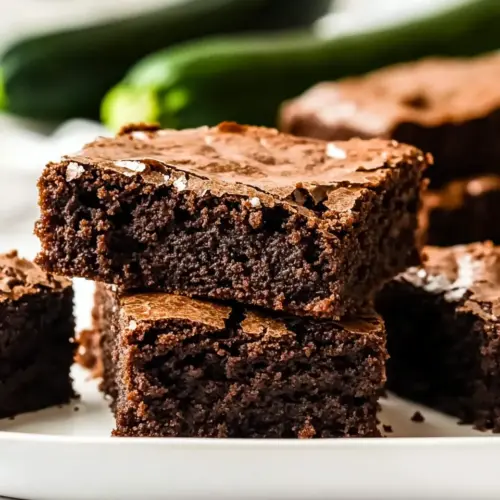
Zucchini Brownies
Zucchini Brownies are moist, chocolatey, and surprisingly simple to make, folding grated zucchini into a rich batter for an easy weeknight dessert. These brownies deliver fudgy texture and deep cocoa powder flavor while sneaking in a vegetable serving, perfect for potlucks or casual gatherings. Try them for a crowd pleasing treat that feels indulgent yet approachable.
Equipment
- Box grater
- Food Processor
- Mixing Bowl
- 9×13 metal baking dish
Ingredients
- 1/2 cup oil (109 g) Provides moistness and helps bind the batter while contributing a neutral fat that enhances texture and mouthfeel in the brownies.
- 1 1/2 cups granulated sugar (300 g) Adds sweetness and structure, dissolving into the wet ingredients to create a tender crumb and balanced sweetness throughout the bake.
- 1 large egg Adds structure and lift by coagulating during baking; contributes protein to stabilize the crumb and aids in emulsifying the batter.
- 1 teaspoon vanilla extract (5 g) Imparts aromatic sweetness and enhances other flavors while rounding out the brownie profile with a warm, familiar scent.
- 2 cups grated zucchini (300 g) Contributes moisture and a subtle vegetal texture, helping create a fudgy interior while adding bulk without making the batter heavy.
- 2 cups all-purpose flour (240 g) Provides bulk and structure through gluten formation, giving the brownies their body and helping them hold together when sliced.
- 1/2 cup unsweetened cocoa powder (42 g) Delivers chocolate flavor and contributes color while absorbing some moisture, intensifying the cocoa presence and depth of the brownies.
- 1 teaspoon baking soda (6 g) Leavens the batter by producing carbon dioxide when activated, helping the brownies rise and develop a lighter crumb where needed.
- 3/4 teaspoon baking powder (3 g) Assists with gentle leavening by offering additional lift and helping create a balanced rise and tender crumb in the finished brownies.
- 1/2 teaspoon salt (3 g) Enhances overall flavor by balancing sweetness and strengthening gluten slightly; also helps control fermentation and leavening reactions.
Instructions
- Preheat oven to 350 degrees F (180 C). Grease a 9×13'' pan.: As the oven warms you will notice a dry, warm air filling the kitchen, which signals readiness. A properly heated oven ensures even rise and a consistent crust formation. Greasing the pan prevents sticking and helps with even browning on the edges. A common mistake is not waiting for full preheat, which can lead to uneven bake and underdone centers, so always confirm the temperature before sliding the pan in.
- In a large mixing bowl beat together the oil and sugar. Add the egg and mix well. Add the vanilla and shredded zucchini and mix well.: The mixing starts with a glossy, slightly granular texture as the granulated sugar folds into the oil , creating a loose emulsion. When you add the egg the mixture becomes smoother and more cohesive, and the aroma of vanilla extract will bloom, brightening the batter. Stirring in the grated zucchini introduces flecks of green and a subtle vegetal scent; you should see the batter lighten slightly in tone. If you detect watery separation, it usually means the zucchini was too wet; a light squeeze before adding often fixes this. Overmixing at this stage can toughen the final texture, so stop once the zucchini is incorporated.
- In a separate bowl mix together the flour, cocoa powder, baking soda, baking powder and salt. Add dry ingredients to the large mixing bowl and beat until combined.: Mixing the dry components yields a uniform, dusty blend where the aroma of cocoa powder is dominant. Sifting or whisking is helpful to remove clumps and distribute the leaveners, which ensures even rise. When you fold these into the wet mixture the batter darkens and thickens; use a scraper to get everything incorporated. If you still see streaks of flour, fold gently until no dry pockets remain, being careful not to overdevelop gluten which would create a tougher brownie.
- Spread mixture into prepared pan (batter will be thick) and smooth into an even layer. Bake for 30-35 minutes or until the center of the brownies springs back when gently touched. Cool on a wire cooling rack.: Spreading the batter gives you visual cues about density, and a smooth, even top bakes more uniformly. In the oven you will notice the aroma deepen as the surface forms a thin crust, and edges will pull slightly away from the pan. The sound is quiet, but you may hear a faint settling as moisture evaporates. The center should spring back under a light touch and a toothpick will show moist crumbs not raw batter. Common errors include opening the oven too often which can collapse the center, so resist peeking until near the end of the bake time.
- Frost brownies with cream cheese frosting, once they are completely cool, if desired.: Cooling shifts the texture from tender to set, and frosting while warm will cause the topping to melt into the brownies. When fully cool, the frosting spreads smoothly, adding a tangy contrast to the chocolate. Use a thin layer for balance, or pipe if you prefer decorative edges. A typical misstep is applying frosting too early, resulting in a glossy, runny finish rather than a firm, spreadable layer; patience pays off here.
Notes
- Reduce sugar for a lighter sweet profile. Try cutting the granulated sugar by half and taste the batter; the brownies will be less glossy on top and slightly more cake like, but still deeply chocolatey thanks to the cocoa powder.
- Use half whole wheat flour for nuttiness. Replacing one cup of the all purpose flour with whole wheat adds body and fiber, though expect a denser texture; using sifted whole wheat can help keep them tender.
- Swap applesauce for oil to reduce fat. Using unsweetened applesauce in place of half or all of the oil cuts fat and adds natural sweetness, but monitor the batter moisture as it may need a slight adjustment.
- Try a vegan version with a flax egg. Mix one tablespoon ground flaxseed with three tablespoons water to replace one egg, and skip the frosting or use a plant based frosting; the result will be slightly denser but still satisfying.
- Make them gluten free carefully. Substitute a tested gluten free flour blend cup for cup for the all purpose flour, and give the batter a brief rest before baking to hydrate the flours for a better texture.