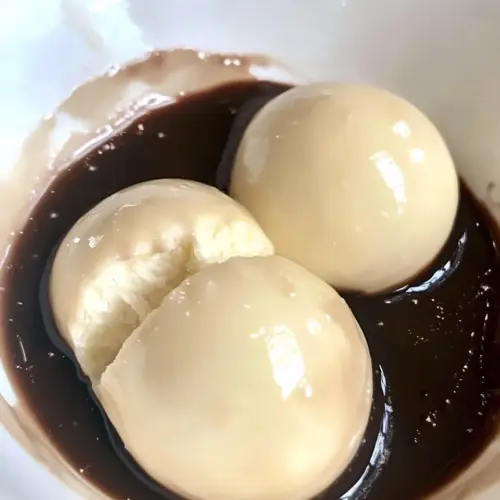
White Chocolate Cocoa Bombs
White Chocolate Cocoa Bombs are creamy, playful spheres of melted white melting chocolate that dissolve into hot milk to release soft marshmallows. This easy winter treat creates a cozy, theatrical drink experience and makes an ideal gift or party surprise. Make a batch for a gathering and enjoy the warm, sweet payoff in every cup.
Equipment
- White Dipping Chocolate
- Jet-Puffed Mini Marshmallows
- Silicone Circle Mold
Ingredients
- white melting chocolate Melted in a double boiler or microwave, provides a smooth, sweet shell that solidifies into a glossy, crisp sphere; tempering or careful heating prevents burning and graininess. Adds sweetness and a creamy mouthfeel that complements hot cocoa when the bomb melts in milk. Can be flavored or colored to customize appearance and taste for festive presentations.
- circle baking mold Flexible silicone or polycarbonate circle baking mold allows creation of uniform hemispherical shells that assemble into a complete bomb; ensure molds are clean and dry to promote proper chocolate release. Facilitates precise shaping and consistent thickness for reliable melting behavior, and can be chilled briefly to speed setting. Choose sturdy molds to avoid warping and to produce smooth outer surfaces for sealing halves together.
- marshmallows Soft toasted or mini marshmallows create a gooey, melty interior that fills the hot cocoa as the chocolate shell dissolves; they contribute texture and added sweetness. Serve as a surprise center that puffs and softens in warm milk, enhancing visual appeal and flavor contrast. Use size-appropriate pieces to avoid overcrowding the shell while maximizing marshmallow impact.
Instructions
- The first thing you need to know is that chocolate is fussy. It can easily be burned or re-hardened. Melting chocolate does a good job taking away some of the frustration with chocolate but the key with any candy making is PATIENCE.: The kitchen will smell sweet and clean when you start melting, with a warm, milky aroma rising from the bowl. Touch the bowl carefully, it should feel warm not hot. This stage matters because overheated white melting chocolate can seize and become grainy, which ruins the shell finish. If it clumps, pause and stir gently to redistribute the heat. A common mistake is setting the microwave too long; always heat in short bursts and stir between each session to avoid burning.
- For enough chocolate to fill a mold, take HALF A BAG of white melting chocolate (approximately 8 oz) and heat at 30 seconds at a time, stirring and heating, until melted. This typically only takes about a minute to two minutes depending on your microwave.: You'll notice steam and a sheen returning as you stir after each 30 second burst. Aim for a smooth, pourable texture that holds on a spoon but drips off slowly. The why here is consistency, because thin chocolate will not form a sturdy shell, while overly thick chocolate will be hard to brush. If your chocolate seems too thick after cooling a bit, warm it briefly again. Avoid adding water or liquid, as that will seize your chocolate.
- Working with a few semi-circles at a time, use a spoon to spoon white chocolate into mold. Use a pasty brush to brush chocolate into mold.: When you fill a few semi circles, you should hear quiet plops as the chocolate lands and see it coat the curved interior. Use a pastry brush to push the chocolate up the sides for even coverage, watching for thin spots showing the mold beneath. The brush strokes help create a uniform wall that crisps well. A frequent error is brushing too little, leaving thin areas that crack when unmolded.
- Use clean fingers in a circle motion to push up the chocolate if its not too hot. Because chocolate hardens so quickly, I like to use fingers, although its not as flattering on film, it IS more practical in a kitchen setting.: Touch the chocolate only when it is cool enough to handle, and use circular motions to smooth and lift the chocolate toward the rim. Your fingers add precision and warmth, which can be helpful for shaping, but be careful not to melt too much with prolonged contact. The tactile feedback tells you if the shell thickness is consistent. If you press too hard you might leave fingerprints or thin patches that break later.
- Once your molds have chocolate, put into the freezer for about 10 minutes for chocolate to harden and set. Remove and careful peel back the silicone mold, one at a time on each semi-circle, and place on a plate.: The cold makes a satisfying snap as the chocolate firms and the gloss dulls slightly. Freezing helps the shell release cleanly from the silicone and preserves the shape while you work on other halves. Remove the molds gently and peel back to see neat semi circles. A common pitfall is leaving them in too long and causing condensation when returning to room temp, which can blur the finish; work quickly between freezer and assembly.
- You will note that the seams on the edge of the molds are jagged. There are several ways to seal your seams. Fill chocolate bombs with chosen items, put two halves together to make a circle and paint a seam around the middle, which you can also use to add additional sprinkles.: When you lift the halves, you may spot ragged edges at the rims. I seal seams by painting a rim with melted chocolate then pressing halves together, or by very briefly warming a skillet and touching rims to melt and smooth. This step is crucial for a tidy final look and to prevent leaks. If you overheat the rim while sealing, the shell can warp, so use the gentlest heat that does the job.
- The other way is to heat a skillet on SUPER LOW and press your chocolate down for a few seconds to give a perfect bottom circle. Then quickly fill, do the second chocolate circle, and press together. The melted chocolate should mold into each other, giving a seamless white chocolate bomb. Place on a plate.: Warm the pan so it barely registers heat, then touch the rim of a half to the surface for a second to create a flat edge. The smell will be faint and toasty when done correctly, and the rim should fuse without losing shape. This method gives a quick, mechanical seal that can look professional. Avoid leaving chocolate on the skillet too long, which can cause it to melt excessively and lose its roundness.
- Simply drop your white chocolate cocoa bomb into a hot cup of cocoa or coffee and watch the magic happen! As the white chocolate is heated by the hot liquid, the chocolate melts and reveals the inside treats.: Once rims are sealed, add a few marshmallows or other tiny treats inside before joining halves. The act of pressing the two warmed rims together should make them bond and form a nearly invisible seam. You will feel a slight give as the chocolate melds. If you find gaps, apply a thin bead of melted chocolate around the seam to finish. A typical mistake is overfilling, which prevents a clean union and causes cracking.
- Place on a plate: Arrange finished bombs on a flat surface to set fully. The shells will firm further to a crisp snap, and the room will carry that sweet, chocolate scent. Let them rest undisturbed until any seal has fully hardened. If they shift while cooling, seams can split, so give them space and avoid stacking.
- Drop into hot liquid: When you drop a bomb into a cup of steaming cocoa or coffee, the shell melts and the filling spills out in a small, delightful cascade. The smell of hot chocolate intensifies and marshmallows begin to soften immediately. This final reveal is the reward for careful work, so use a cup of truly hot liquid to ensure the shell melts quickly. A common error is using warm rather than hot liquid, which delays the reveal and can frustrate guests.
Notes
- Chocolate handling: Melt in short increments and stir thoroughly to preserve a silky texture, which helps the shells unmold without graininess.
- Mold care: Wipe the rim of the silicone mold clean between uses to avoid trapped bits that can create jagged seams on future shells.
- Freezing strategy: Freeze semi circles just long enough for solidity, then work steadily to seal so you avoid condensation forming on the shells.
- Seam sealing: If you prefer not to use heat, paint a thin layer of melted chocolate around the rim and press gently to form the bond.
- Storage: Keep finished bombs in a cool, dry place in an airtight container, separated by parchment to prevent sticking.