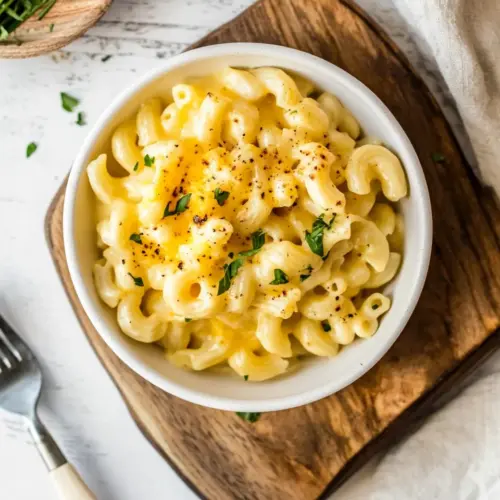
White Cheddar Mac and Cheese
White Cheddar Mac and Cheese delivers creamy, cheesy comfort with a smooth roux based sauce and perfectly sauced cavatappi pasta. This easy weeknight dinner melds sharp white cheddar cheese with gentle aromatics like shallot and garlic for a satisfying, family friendly bowl that reheats beautifully. Make it when you want fast, indulgent comfort with reliable results.
Equipment
- Extra Virgin Olive Oil
- Cavatappi pasta
- 7.25 qtDutch Oven
Ingredients
- 16 ounces dry cavatappi pasta Provide a sturdy, short-tubed pasta that holds sauce well; cooks to a firm but tender texture and creates the base for the dish. Measure precisely to maintain the intended pasta-to-sauce ratio and ensure even cooking in boiling salted water.
- 1 tablespoon olive oil Add a fruity, medium-bodied oil that prevents sticking and helps sauté aromatics without overpowering flavors; contributes a subtle richness. Use at the start of cooking to gently cook shallot and garlic and to coat the pasta if finishing in the pan.
- 1 shallot, minced Offer a mild, sweet onion flavor when minced finely and sweated; builds depth in the sauce without sharpness. Cook gently to soften and release natural sugars, which balances the cheese’s richness.
- 2 cloves garlic, minced Deliver a pungent, savory note when minced; enhances overall aroma and taste by providing bright allium character. Add after shallot softens to avoid burning and to infuse the oil and base with savory undertones.
- 1 teaspoon fresh thyme, minced Contribute a fresh, herbaceous lift with a slightly lemony flavor; finely minced thyme brightens the creamy sauce. Sprinkle in during sautéing to bloom its oils and to complement the cheese’s richness.
- 1/2 teaspoon red pepper flakes, optional Introduce subtle heat and complexity when used sparingly; optional red pepper flakes add a warm, lingering spice. Incorporate to taste while sautéing aromatics to distribute gentle spiciness throughout the sauce.
- 4 tablespoons butter Provide a rich, silky fat that forms the foundation of the roux and adds buttery flavor to the sauce. Melt gently before whisking in flour to create a smooth base for the béchamel-style white cheddar sauce.
- 1/4 cup all-purpose flour Thicken the sauce by forming a roux when combined with butter; creates body and stability to prevent a watery finished dish. Cook briefly to eliminate raw flour taste while maintaining enough starch to thicken milk smoothly.
- 2 cups whole milk Supply the liquid component for the béchamel that becomes the cheesy sauce; whole milk adds creaminess and mouthfeel. Whisk in gradually to the roux over low heat to produce a smooth, lump-free sauce base.
- 1 cup reserved pasta water Offer reserved starchy water to adjust sauce consistency and help the sauce cling to pasta; enhances emulsion and silkiness. Stir in as needed to loosen sauce and reach the desired pourable texture while finishing pasta in the pan.
- 12 ounces freshly shredded white cheddar cheese Deliver sharp, creamy flavor and melty texture when freshly shredded; white cheddar is the primary flavor driver of the dish. Add off heat to the warm sauce and stir until melted for a smooth, cohesive cheese sauce.
- 1/4 teaspoon ground nutmeg Impart a warm, nutty warmth in tiny amounts to round out dairy flavors and add subtle aromatic complexity. Grate or measure sparingly and whisk into the finished sauce to brighten and balance the richness.
Instructions
- Bring a large pot of salted water to a boil over medium-high heat.: The sound of the water rising to a rolling boil and the sheen of tiny steam bubbles signal you are ready to add pasta, and properly salted water seasons the pasta internally as it cooks. I always taste a drop to check seasoning before adding the noodles. If the water does not reach a strong boil, the pasta may release too much starch slowly and become gummy.
- Cook the pasta to al dente according to the package directions. Reserve 1 cup of pasta water and then drain.: You should notice the cavatappi pasta become tender yet slightly firm when bitten, and it will have a clean edge rather than a mushy center. Reserving the starchy water is essential because its subtle starch helps the sauce cling to the spirals, creating that cohesive texture. A common mistake is overcooking the pasta , which will fall apart when mixed with the sauce and lose the desired chew.
- In a large heavy-bottomed pot or Dutch oven, heat the olive oil over medium heat.: The oil will shimmer and give off a faint aroma when it is hot enough, signaling ideal conditions to gently cook aromatics without burning. I use a heavy pot like a Dutch oven to distribute heat evenly. If the oil smokes, reduce the heat and let the pan cool slightly before proceeding.
- Once fragrant, add the shallot and cook for 2-3 minutes or just until the shallot is tender.: You will see the shallot pieces soften and turn translucent, and the kitchen will fill with a sweet, savory scent that sets the tone for the sauce. This stage mellows sharp raw edges and builds complexity. If you let the shallot brown too much, it can become bitter, so watch it closely and stir occasionally.
- Next add the garlic, thyme, and red pepper flakes. Stir and cook for an additional minute.: The aroma will shift and deepen as the garlic becomes fragrant and the thyme releases its oils, creating an inviting, layered scent. These small bursts of flavor infuse the oil and become part of the sauce foundation. Be cautious not to let the garlic char, as that introduces an unpleasant bitterness.
- Add the butter and allow it to melt, stirring occasionally.: Watch the butter foam and then settle, signaling it is ready for the next stage. The melted butter coats the aromatics and helps create a smooth interface for the flour . If the butter begins to brown, lower the heat to prevent developing toasted notes that will change the sauce profile.
- Once the butter is melted, add the flour and stir – a thick paste should form.: The mixture will change texture into a cohesive paste that feels slightly grainy at first and then smooths out as it cooks, that's your roux taking shape. This step removes raw flour taste and provides the thickening structure for the milk. Under cooking the roux leaves a starchy flavor, while over cooking will darken it and reduce thickening power.
- Continue stirring for 1-2 minutes or until the flour has turned from white to light brown.: You will notice a toasty, almost biscuit like scent as the roux matures, which contributes nutty depth to the final sauce. The color shift indicates the flour is cooked through, improving both flavor and texture. Stir constantly to prevent hot spots that cause uneven browning.
- Slowly add the milk, stirring constantly. If there are any large lumps of flour in the sauce, use a whisk to break them up.: As the milk hits the roux, the mixture will momentarily seize then loosen into a creamy emulsion if stirred properly, and using a whisk helps smooth out lumps quickly. You should see the sauce begin to thicken into a custard like consistency as it warms. If large lumps form, whisk energetically to break them apart, and avoid dumping cold milk in too fast.
- Once the milk has been incorporated into the roux, add the reserved pasta water. Allow the sauce to cook for 3-4 minutes or until it is thickened enough to coat the back of a spoon.: The whisking action transforms a potentially grainy texture into a glossy, uniform sauce, producing a smooth mouthfeel that feels luxurious on the palate. I often tilt the pan and whisk in a circular motion to coax out any stubborn pieces. If lumps persist, reduce heat and whisk continuously until they dissolve.
- Remove the sauce from the heat and add the white cheddar cheese and ground nutmeg. Stir until the cheese has melted.: The increment of starchy pasta water helps loosen the sauce while adding body, and you will see the sauce cling to the spoon with a ribbon like trail. This is the perfect viscosity to coat the spirals. If the sauce seems too thin after this time, continue simmering gently while stirring to reduce excess liquid.
- Then, add the pasta and stir to combine.: Off the heat the white cheddar cheese blends more gently, preventing separation and giving a silkier finish. The aroma will turn cheesier and slightly sweet, with the nutmeg adding a faint warm note. If you keep the sauce too hot while adding cheese, it can seize and become grainy, so let the temperature drop slightly before stirring in the cheese.
- Store any leftover mac and cheese in an airtight container in the fridge for up to three days.: As you fold the warm sauce into the cavatappi pasta , watch how the sauce nestles into the spirals, creating glossy, sauced pasta that gleams. Toss gently but thoroughly to ensure even coverage. A common pitfall is undermixing, which leaves some noodles dry and others overloaded, so stir until the saucy sheen is uniform.
- Store any leftover mac and cheese in an airtight container in the fridge for up to three days: Cooled leftovers will firm up, and when reheated gently with a splash of milk they regain creaminess, emitting familiar warming aromas. I reheat in a saucepan over low heat to bring back texture without drying out. Avoid microwaving straight from the fridge at high power, because quick heating can separate the sauce.
Notes
- Use fresh cheese for the best melt and smooth texture, shred your white cheddar cheese just before using to avoid clumps from anti caking agents.
- Adjust sauce thickness by adding reserved pasta water a tablespoon at a time, testing the consistency until it coats the back of a spoon.
- Keep heat moderate while melting cheese off the heat to prevent the sauce from becoming grainy or oily, letting residual warmth bring it together.
- Mince aromatics finely so shallot and garlic disperse evenly and infuse the sauce without leaving noticeable chunks.
- Stir constantly when adding cold liquid to the roux to prevent lumps, and use a whisk if needed to achieve a velvety texture.