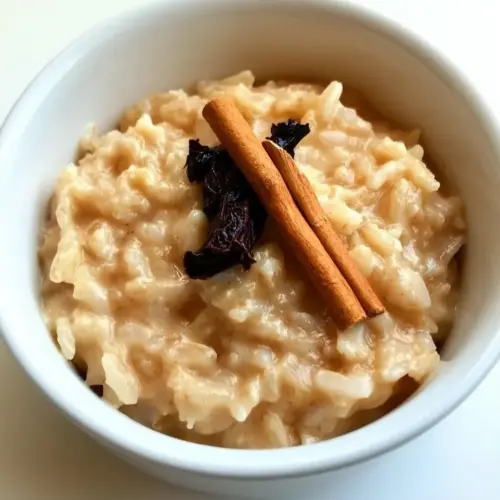
What the Tudors Ate Rice Pudding
What the Tudors Ate Rice Pudding is a creamy, spiced dessert with plump raisins and currants, a silk like custard texture, and a golden baked top. This easy, comforting pudding evokes warmth and nostalgia, perfect for chilly nights or casual gatherings. Make it for an easy weeknight dessert or a seasonal treat that brings people together.
Equipment
- 9×9 inch Baking Dish
- Mixing Bowl
- Small pot
- Whisk
Ingredients
- 2 cups dry rice (white or brown - I prefer basmati) Provide a starchy base that thickens the pudding as it absorbs liquid and softens; cook until tender to create a creamy, substantial texture common in historical rice puddings.
- 1/4 cup unsalted butter Add a rich, silky mouthfeel and help carry fat-soluble flavors; melt and stir into the pudding early so it disperses evenly through the rice for a luxurious finish.
- 1 1/2 cups milk Contribute a mild dairy backbone that hydrates the rice and moderates sweetness; heat gently with the rice to prevent scalding while building a smooth custard-like consistency.
- 1 1/4 cups heavy cream Enhance creaminess and increase richness with higher fat content; combine with milk to create a decadent, velvety custard and prevent the pudding from becoming dry.
- 3 large egg yolks Bind and enrich the custard while improving texture and body; temper into warm milk and cream to thicken without curdling, yielding a silky, egg-enriched pudding.
- 1/2 cup sugar Sweeten and balance the dairy and spices while aiding caramelization on the surface during baking; dissolve into the liquid to ensure even sweetness throughout the dish.
- 1 1/4 teaspoons cinnamon Warm and aromatic, infuse the pudding with earthy, slightly sweet notes; incorporate ground cinnamon into the cooking liquid to create a traditional Tudor spice profile.
- 1/2 teaspoon ginger Add a bright, slightly peppery warmth that complements sweeter spices; use sparingly to avoid overpowering, providing subtle complexity and historical authenticity.
- 1/2 teaspoon nutmeg Lend a warm, nutty complexity with sweet undertones that deepen the spice blend; sprinkle into the mix for a balanced, fragrant finish that pairs well with dried fruit.
- 3/4 cup raisins (black or golden) Provide chewy bursts of concentrated sweetness and historical authenticity; soak or stir in during cooking so the raisins plump and distribute sweet pockets throughout the pudding.
- 3/4 cup currants Offer tiny, tangy-sweet notes and a texture contrast that disperse evenly through the pudding; scatter in along with raisins to evoke traditional Tudor fruit combinations.
- Butter or cooking spray for greasing dish Prevent sticking and ensure easy removal from the baking vessel; grease the dish evenly to promote even cooking and a tidy presentation when serving.
- Cinnamon sticks for garnish (optional) Serve as an aromatic, decorative accent that reinforces the cinnamon flavor; place whole sticks on top or beside portions for a period-appropriate, fragrant garnish.
Instructions
- Preheat oven to 350 degrees F. Steam rice until tender according to package instructions.: As the oven warms you will notice a steady, dry heat and a faint hum, which prepares the environment to transform the pudding's surface into a golden crust while the custard sets evenly beneath. This steady oven temperature is important because uneven heat can cause the custard to bake unevenly, leading to a rubbery edge or a runny center. A common mistake is skipping the preheat, which forces the pudding to adjust to a changing temperature and may increase bake time unpredictably. If your oven runs hot or cold, use an oven thermometer to confirm the actual temperature rather than relying on the dial.
- While rice is cooking, place raisins and currants into a small pot and cover with hot water. Bring just to a boil on the stovetop, then remove from heat. Let fruit soak in the hot water to plump.: When you steam or cook the rice you are coaxing the grains to absorb liquid and release starch, creating the creamy body of the pudding. Listen for a gentle simmer and watch for plump grains with a tender bite and slight translucence around the edges. Overcooking can turn the grains mushy and undercooking will leave unpleasant firmness after baking, so check texture early and often. If the rice seems too starchy and sticky, rinse briefly before cooking next time to reduce surface starch, but avoid rinsing if you want extra creaminess.
- After rice has cooked, stir in the butter till melted.: Soaking the raisins and currants in hot water wakes them up, plumping them and coaxing out concentrated juices that will mingle with the custard. Heat until the water just reaches a boil, then remove from heat so the fruit rehydrates slowly; you should hear a soft simmer while handling this step. A common misstep is soaking in cold water which takes much longer and yields less plumpness, or boiling aggressively which can break the fruit down too much. Drain well before folding into the mixture for the best texture.
- In a mixing bowl, whisk together milk, cream, egg yolks, sugar, cinnamon, ginger and nutmeg. Pour mixture into the rice and stir till combined. Drain the raisins and currants, then fold them into the rice mixture.: Adding unsalted butter to the hot rice helps coat the grains with fat, which rounds the mouthfeel and deepens flavor. Stir gently until the butter is fully absorbed and the surface shimmers slightly. If the butter separates or pools, it may be too cool to combine, so ensure the rice is hot enough for full incorporation. One common mistake is adding cold butter to rice that has cooled, creating a greasy film rather than a smooth blend; to avoid that, work while the rice is still warm.
- Grease a 9 x 9 inch baking dish with butter or cooking spray. Pour rice mixture into the dish. Place in the oven and bake uncovered for about 45 minutes until the top of the pudding turns golden brown.: Whisk these liquids until the egg yolks are slightly pale and the sugar begins to dissolve, creating a homogeneous custard base. You should hear a soft swish as the whisk moves and smell the warming spices blooming into the dairy. Temper the yolks by adding a bit of hot rice or warm milk slowly if needed, because a sudden temperature shock will scramble them. Avoid whisking in a way that incorporates too much air, which can create bubbles on the surface that alter the texture when baked.
- Serve garnished with a cinnamon stick, if desired. Serve warm.: Once the custard is ready, fold it into the warm rice so the dairy infuses every grain, creating an even custard network. The mixture should become noticeably creamier and carry the spice aromatic throughout. If the mixture seems too thin, the egg yolks will help thicken during baking; if it is too thick, a splash more milk can adjust the consistency. A frequent error is pouring hot custard over cold rice which cools the custard unevenly, so make sure the rice and custard are relatively close in temperature.
- Drain the raisins and currants, then fold them into the rice mixture: After draining, fold the plumped raisins and currants gently so they are evenly distributed without crushing them, which keeps textural contrast intact. You will see dark and light flecks of fruit throughout the creamy matrix, and the aroma will become fruit forward. Avoid over mixing, which can break up the fruit and make the pudding uniformly sweet rather than pleasantly punctuated.
- Grease a 9 x 9 inch baking dish with butter or cooking spray: Greasing the dish prevents sticking and helps the edges brown attractively, giving you a neat serving. I rub softened butter around the dish until it is glossy, which helps the pudding slide out cleanly if needed. Skipping this step risks the edges clinging to the dish and breaking when you serve, so be generous but not excessive with the fat.
- Pour rice mixture into the dish: As you transfer the mixture, listen for a soft plop and watch the surface settle into a uniform layer. The pudding should sit level in the dish for even baking. If you notice pockets of trapped air, tap the dish gently on the counter to release them. A common oversight is filling the dish unevenly, which causes parts to finish sooner than others; leveling ensures consistent doneness.
- Place in the oven and bake uncovered for about 45 minutes until the top of the pudding turns golden brown: During baking you will notice the aroma of spices intensifying and the surface taking on a warm, golden color, perhaps with tiny bubbling spots. The custard sets from the edges inward, so check for a gentle jiggle near the center that indicates it is done and not fully liquid. Overbaking creates a dry, rubbery texture, while underbaking leaves a soupy center. If the top is browning too quickly, tent lightly with foil. Use a knife inserted near the center, it should come out mostly clean with a few moist crumbs.
- Serve garnished with a cinnamon stick, if desired: Serving warm accentuates the aroma and texture, and a cinnamon stick adds an elegant visual and aromatic flourish. You will notice steam rising and the scent of spice as you spoon it, which invites people to taste. A common mistake is chilling and reheating too aggressively, which can dry the pudding; reheat gently in a low oven with a splash of milk to refresh creaminess if needed.
- Serve warm: Warm service highlights the pudding's creamy texture and the softened fruit pockets. The mouthfeel should be silky, with the spices and fruit clearly present but not overpowering. If it cools too much, rewarm slowly, and resist microwaving at high power which can make the texture grainy. Allowing it to rest briefly after baking also helps the custard finish setting for cleaner slices.
Notes
- Choose your rice thoughtfully, white rice will yield a softer, more classic pudding while brown rice offers a chewier, nuttier texture; adjust cooking time accordingly to achieve tender grains.
- Warm liquids before combining, bringing the milk and cream slightly up in temperature before mixing with egg yolks reduces the risk of scrambling and helps the custard come together smoothly.
- Fully drain soaked fruit, excess water from the raisins and currants will thin the mixture and can change baking time, so press gently and remove extra liquid.
- Don’t rush the bake, check for a slight center jiggle rather than relying solely on time, because ovens and dish sizes vary and texture matters more than the clock.
- Store properly, refrigerate leftovers in an airtight container and reheat gently in a low oven with a splash of milk to restore creaminess without drying the pudding.