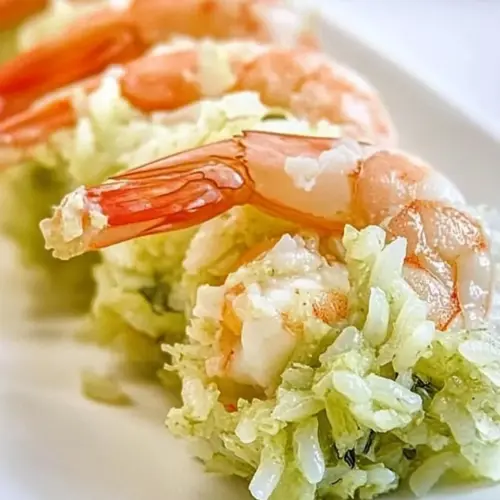
Vietnamese Green Rice Fried Prawn
Vietnamese Green Rice Fried Prawn is a crispy, herb bright appetizer featuring airy batter, crunchy green rice flakes, and juicy prawns. The pickled carrot and papaya plus a tangy fish sauce dressing create a balanced, easy weeknight dinner or party starter. Make it for guests when you want a textured, flavorful bite that is both playful and elegant.
Equipment
- Deep fryer or heavy pot
- Thermometer
- Mixing Bowls
- Whisk
- Paper towels
Ingredients
- 12 tiger prawns peeled, headless, leaving the last section of the tail attached Peel and devein the prawns leaving the last tail segment intact to provide a handle and attractive presentation; pat dry to ensure even cooking and better batter adherence. Marinate briefly if desired to infuse subtle flavors and keep the flesh tender while frying. Use medium-high heat to achieve a crisp exterior while keeping the interior juicy.
- 250 g reen rice flakes Soak and lightly crush the green rice flakes to create a coarse crumb coating that adds color and nutty texture to the fried prawns. Mix with dry flours for adhesion and briefly toast if needed to deepen flavor and crispness. Store in an airtight container to maintain crunch until use.
- 1 butter lettuce Wash and separate the butter lettuce leaves to serve as fresh, crisp cups for holding the fried prawns and accompaniments; chill briefly to keep them crisp during plating. Use the mild, buttery flavor to balance the richness of the fried elements and add a cooling contrast. Tear into appropriately sized pieces to make handling easy for diners.
- Vietnamese mint garden mint, coriander, spear mint Pick and rinse the fresh herbs—Vietnamese mint, garden mint, coriander, and spear mint—and finely chop or leave whole according to preference; herbs add bright, aromatic notes and herbal complexity to the dish. Combine with sliced vegetables and dressings to lift the overall flavor profile and provide freshness. Use generous amounts for authentic Vietnamese flavor balance.
- 50 milliliters fish sauce Measure and use fish sauce as a salty, umami-rich seasoning in marinades, dipping sauces, and dressings; it provides essential savory depth to both the prawns and accompanying sauces. Taste and adjust carefully because of its concentrated saltiness, balancing with sugar, lime, or vinegar. Store sealed in a cool, dark place to preserve quality.
- carrot julienne Julienne carrots into thin, uniform strips to add sweet crunch and vibrant color to salads or garnish; they also bring a pleasant textural contrast to the fried prawns. Lightly toss with a dressing to soften slightly while retaining snap. Use fresh carrots for best appearance and flavor.
- papaya julienne Julienne papaya into long, slender strips to contribute mild sweetness, crisp texture, and a slightly tropical note to salads or slaws served with the prawns. Combine with lime, sugar, and fish sauce for a classic tangy-sweet balance in accompanying salads. Choose firm, slightly underripe papaya for optimal texture.
- 200 milliliters water Bring water to a simmer as part of syrup or pickling preparations to dissolve sugar and infuse ingredients; precise measurement ensures correct consistency for sauces. Use the specified amount to create balanced liquid components without diluting flavor. Keep simmering until required ingredients are fully incorporated.
- 100 grams sugar Dissolve sugar in heated liquid to form a syrupy component for dressings, pickles, or balancing sauces; accurate measurement guarantees consistent sweetness. Stir until completely dissolved and cool before combining with acidic or salty elements. Adjust slightly to taste while maintaining the intended balance.
- 150 milliliters vinegar Measure and add vinegar to create a bright acidic component in pickles or dressings; it helps preserve, tenderize, and enliven vegetables like papaya and carrot. Combine with sugar and water to make a balanced pickling liquid that complements the rich fried elements. Choose the specified amount to keep acidity pronounced but not overpowering.
- 1/2 cup rice flour Use the half cup of rice flour as a light coating or binder for batter blends to provide a delicate crispness and subtle rice flavor when frying. Combine with other flours to achieve the desired texture and help dry ingredients adhere to prawns. Sift before use to eliminate lumps for a smooth batter.
- oil Heat a neutral oil to the appropriate frying temperature to achieve crisp, evenly cooked prawns and golden coatings; oil choice impacts frying performance and flavor neutrality. Maintain steady temperature to prevent sogginess and reduce oil absorption. Use a deep, heavy pot for safety and consistent heat distribution.
- 500 milliliters water Bring the larger water volume to a boil or simmer for brining, blanching, or preparing batters and sauces; this amount may be used to cook rice flakes, dilute syrups, or create dipping liquids. Measure accurately to achieve the correct concentration and cooking time. Cool as required before combining with other cold ingredients.
- 250 grams sugar Dissolve sugar in warm water to create a larger volume of syrup or sweet component for sauces, pickles, or glazing; proper dissolution prevents graininess. Use the specified weight to balance acidic or salty elements in sizable batches. Store prepared syrup refrigerated if not used immediately.
- 460 milliliters fish sauce Combine fish sauce into larger-volume dressings or dipping sauces to impart deep umami and savory complexity across multiple components of the dish. Use the larger measure when preparing family-style portions of sauce to ensure bold, consistent flavor. Adjust with lime, sugar, or water to fine-tune saltiness.
- 150 milliliters lime juice Squeeze and measure lime juice to provide fresh, bright acidity that cuts through fried richness and balances sweet and salty components in dressings and dipping sauces. Use freshly squeezed juice for the cleanest flavor and aroma. Add gradually while tasting to reach the desired tartness.
- 1 chili sliced Slice the chili thinly to add heat, visual color, and aromatic spice to sauces, slaws, or as a garnish; regulate the amount to suit diners' spice tolerance. Include seeds for more heat or remove them for milder flavor. Use fresh chilies for lively, crisp spice notes.
- 1 cup rice flour Use one cup of rice flour to build the primary structure of batters, producing a light, crisp coating with a subtle rice flavor when combined with liquid ingredients. Mix thoroughly to avoid lumps and achieve a smooth batter consistency before adding prawns. Adjust hydration as necessary for the desired thickness.
- 1/2 cup tempura flour Incorporate half a cup of tempura flour to provide an aerated, delicate texture characteristic of tempura-style batters; it contributes to a light, crispy crust when fried. Blend with rice flour and cold liquids for optimal batter performance and minimal gluten development. Keep batter cold to maximize puffiness and crunch.
- 100 milliliters soda water added as needed Add soda water as needed to adjust batter viscosity and introduce lightness and bubbles that yield a crisper, more open-textured coating on the fried prawns. Pour gradually while whisking until the batter reaches a slightly thick, flowing consistency. Use chilled soda water to enhance the batter's lift and crispiness.
Instructions
- Make several small incisions in the belly of the prawn tail straighten the prawn by stretching the flesh into a longer even shape.: You will feel the flesh firm as you make small incisions and gently stretch it, and the surface will become smooth and slightly glossy. This shaping reduces curling during frying and ensures an even cook, so the prawns heat through uniformly and the batter adheres without gaps. A common mistake is cutting too deeply into the flesh which can make the prawns fall apart during cooking, so work gently and support the tail with your fingers. Visually you want elongated prawns that lie flat, and tactilely they should feel resilient when stretched.
- Combine flours together and slowly add soda water while whisking together. Add enough soda water until a it forms a batter that holds its form on your finger when dipped. Keep chilled in the fridge or on ice.: As you whisk, you will notice the batter go from a stiff paste to a glossy, aerated mixture with little bubbles rising to the surface from the soda water . Keeping the batter chilled and adding soda water slowly controls the texture, producing an airy batter that puffs and crisps in hot oil. If the batter becomes too thin you will lose coating adhesion, so stop when it clings to your finger and holds its form. Overmixing is another pitfall because vigorous whisking collapses bubbles; whisk just until combined and keep the bowl on ice.
- To pickle carrot and papaya, whisk sugar with water until sugar dissolve, add vinegar and then add carrot papaya julienne. Keep it in fridge, ready to use after 1 hour.: You should test the batter by dipping one finger and lifting it out, watching for a thick ribbon or peak that does not immediately collapse. The surface will glisten and tiny bubbles will be visible, signaling the proper aeration. This texture ensures a delicate, crisp crust after frying, and if you skimp on gas the result will be dense and heavy. If the batter seems limp, add a little more chilled soda water , but avoid over thinning which causes the coating to slide off the prawns .
- Holding the tail, dip prawns into the in fish sauce, then with rice flour, dip in tapioca batter, and then cover in green rice flakes.: Cold batter is a tactile cue, you will notice it tighten and feel brisk to the touch, and this temperature contrast is the secret to crispy results. When the cold batter hits hot oil, the water flashes off quickly creating a light crunchy shell rather than absorbing oil. One common failure is leaving the batter warm on the counter; that will produce a greasy, heavy coating. Keep the batter covered and cold until the moment you dip each prawn .
- Deep fry prawns at 180°C/356° F for 1 min 30 seconds drain the prawns thoroughly on absorbent paper tray with paper.: You will see the sugar become fully integrated and the liquid turn clear, then as the vegetables sit they will soften slightly and take on a translucent sheen. The pickles should smell bright and taste balanced between sweet and tart after an hour. A common issue is under dissolving the sugar which makes the brine grainy and uneven, so whisk until fully clear. Keep the pickles chilled so they retain crunch and do not become soggy.
- Serve the prawns with butter lettuce, herbs, pickled carrot and papaya, and dipping sauce.: After chilling, the vegetables will have absorbed enough brine to be lively and crisp, with a slight shimmer on the surface. The cold temperature maintains a crisp bite that contrasts the hot fried prawns , and the aromatic tang will cut through the oil. Avoid leaving pickles at room temperature for long periods, which can make them limp and less bright in flavor.
- Mix all the ingredients together and taste: When you briefly bathe each prawn in the fish sauce it will smell saline and savory for an instant. Dusting with rice flour creates a dry surface that helps the batter cling, and pressing the batter gently into the green rice flakes ensures even coverage. You should see the green flakes adhere fully and form a continuous coat. A frequent error is rushing the process which can leave bare patches; take a moment to press flakes into place and discard coatings that look watery or flaking off before frying.
- GREEN RICE: This rice is usually served to celebrate the new season of rice and is a staple at the Tet or Luna New Year feast! The rice is picked green and pounded to make it flat.: As the prawns hit the hot oil you will hear an energetic sizzle and see tiny bubbles racing up the sides of the crust, and within seconds the color will shift to a vivid, toasted green and golden highlights. The short, hot fry crisps the batter without overcooking the sweet interior. Use a thermometer to maintain the oil at the target temperature, because oil that is too cool will create greasy crusts while oil that is too hot will burn the coating before the inside cooks. After frying, let them rest briefly on paper to drain—too long and steam will soften the crust, too short and excess oil remains.
- We use fish sauce from the picturesque island of Phu Quoc, the home of the worlds best Nuoc Mam. The fish sauce should be labeled Nuoc Mam Nhi this means it is the first pressing or equivalent of the ‘extra virgin’ of fish sauce. To judge the quality of a fish sauce it should be crystal clear, deeply golden but not too dark and should create large bubbles when shaken, this indicates a viscous and rich sauce.: Arrange warm prawns beside crisp butter lettuce , a pile of herbs, the chilled pickles, and a bowl of sauce for building bites. The aroma of hot fried crust next to cool herbs is irresistible, and the tactile pleasure of assembling wraps is part of the experience. Avoid stacking cooked prawns directly on top of one another which can trap steam and soften the crust; serve them in a single layer for best texture.
- Mix all the ingredients together and taste: When you combine the dipping sauce components you should taste for salt, sugar, and acid, adjusting until they balance. The sauce will evolve as it sits, and you should detect a shiny, slightly viscous body from dissolved sugar and a bright top note from the lime juice . A common misstep is adding too much fish sauce at once; add incrementally and taste so the sauce does not become overpowering.
- GREEN RICE: This rice is usually served to celebrate the new season of rice and is a staple at the Tet or Luna New Year feast : The green rice carries cultural meaning and a distinct vegetal aroma from being pounded fresh, which adds not just texture but a sense of occasion when served. When you use it you create a visual and historical connection, and the green color pops against the golden fried surface. Store the flakes dry to preserve their crispness and use them soon after grinding for maximum vibrancy.
- We use fish sauce from the picturesque island of Phu Quoc, the home of the worlds best Nuoc Mam: A high quality fish sauce is clear, golden, and slightly viscous, and it gives the dipping sauce depth and complexity. When you shake a good bottle you may notice large bubbles, an indicator of richness, and that quality will translate into the final sauce. If you select a weaker bottle the sauce can taste flat, so seek a reputable source or labeled first pressing for the best result.
Notes
- Pre chill everything: Keeping the batter, bowl, and soda water chilled preserves carbonation and yields a lighter crust, and I usually set the batter bowl over ice while I work to keep temperatures steady.
- Maintain oil temperature: Use a thermometer and allow the oil to return to 180°C/356° F between batches; a stable temperature ensures even browning and prevents greasy results.
- Prepare pickles ahead: Make the carrot and papaya pickles at least one hour in advance and refrigerate to develop flavor and retain crunch, I often make them the day before for convenience.
- Use high quality fish sauce: The dipping sauce hinges on a robust fish sauce, so choose a clear, golden variety and add it slowly while tasting to avoid oversalting.
- Assemble at the table: Serve the components family style with butter lettuce and herbs so guests can build their own wraps, this keeps the fried crust crisp until eaten and makes the meal social.