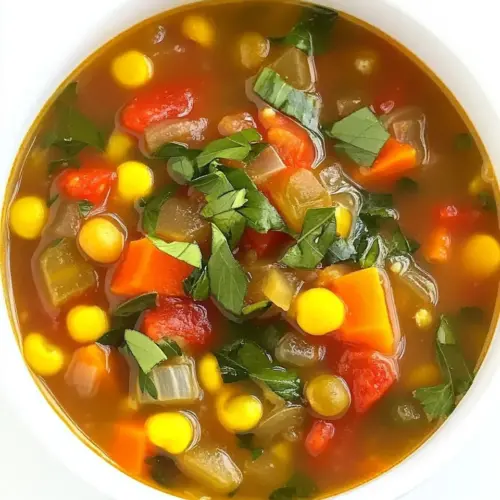
Vegetable Split Pea Soup
Vegetable Split Pea Soup is a creamy, hearty bowl of comfort with earthy split peas, sweet carrots, and savory onion, perfect for an easy weeknight dinner. This nourishing soup is thick yet bright from tomatoes and baby spinach, offering plant based protein and warming flavors. Make it for chilly evenings when you want something filling and wholesome.
Equipment
- Large Stockpot
- Knife
- Cutting Board
- Wooden Spoon
Ingredients
- 1 cups split peas (yellow or green) Provide a hearty source of plant-based protein and creamy texture when cooked down, split peas dissolve into the soup to thicken it naturally and add earthy flavor. Rinse and pick through for debris before using, and adjust cooking time for yellow versus green varieties as they have slightly different cooking rates.
- 1 yellow onion Add aromatic sweetness and depth when sautéed, onion forms the flavor base for the soup and mellows as it cooks, contributing subtle savory notes. Chop uniformly for even cooking and sweat gently to release sugars without browning too quickly.
- 4 cloves garlic Impart pungent, savory warmth and brighten the overall flavor when minced, garlic enhances the soup with aromatic complexity and pairs well with herbs. Add during the sauté step to mellow raw sharpness and release essential oils for full flavor infusion.
- 2 carrots Contribute natural sweetness, body, and slight texture when diced, carrots balance the earthiness of the peas and add color to the soup. Simmer until tender so they integrate into the broth and can be lightly mashed for additional thickness if desired.
- 2 -3 stalks celery Provide crisp, aromatic backbone and subtle vegetal bitterness when chopped, celery adds classic mirepoix flavor and structure to the soup. Slice evenly and sweat with onions and carrots to build a cohesive savory base before adding liquids.
- 15 oz . can diced tomatoes (or fire-roasted) Introduce bright acidity and tomato richness when added with their juices, diced tomatoes lift the soup’s flavor profile and add pleasant texture contrasts. Choose fire-roasted for smokier notes or plain diced for a fresher tomato presence; include their liquid to deepen the broth.
- 5 cups vegetable broth Create the cooking medium and foundational savory base when poured in, vegetable broth supplies salt and umami to meld flavors and hydrate the peas. Use low-sodium broth to control seasoning and supplement with water if needed during simmering.
- 1 tsp . dried basil Provide herbal warmth and subtle sweetness when sprinkled in dried form, basil complements the tomatoes and peas with Mediterranean notes. Add earlier for infused flavor or toward the end for a fresher herbal accent, adjusting amount to taste.
- 1 -2 cups fresh baby spinach Add fresh leafy color, mild iron-rich greens, and a tender texture when stirred in at the end, baby spinach wilts quickly and boosts nutrition without overpowering other flavors. Rinse thoroughly and add during final minutes of cooking to preserve bright color and nutrients.
- Salt & pepper to taste Balance and enhance all flavors to personal preference when seasoning, salt and pepper bring out the natural tastes of the soup and control overall seasoning. Season gradually, taste as you go, and remember peas can concentrate saltiness as they cook, so adjust before serving.
Instructions
- Dice onion.: The scent of finely diced onion is the first signal that a great base is forming. As you chop, notice the layers releasing moisture and sweet onion aroma. Smaller dice will soften faster and blend into the soup, while larger pieces will hold a little texture, so choose based on the mouthfeel you want. A common mistake is uneven chopping, which causes some pieces to overcook and others to remain raw. Keep your knife steady and aim for uniformity so the cooking time is even.
- In a large stockpot over medium-high heat, sauté onion for 7-8 minutes. (I use about 3 Tbsp. broth/water for no-oil sauté, adding more as needed.): As the onion hits the warm pot you should hear a gentle sizzle, and after a few minutes the smell shifts from sharp to sweet and honeyed. If you are using little to no oil, the recommended trick is to add a splash of vegetable broth which helps prevent sticking while keeping the pan clean. Stir every minute so the onion softens evenly and does not brown too quickly. A common error is turning the heat too high, which can cause scorching instead of sweetening; keep the temperature moderate and patient for the best flavor development.
- Meanwhile, mince garlic. Dice carrots and celery.: Preparing the garlic , carrots , and celery while the onion cooks keeps the workflow smooth. When you mince the garlic , its aroma will become more pronounced and release sulfurous notes that mellow when cooked. The crisp, fresh snap of the diced carrots and celery is noticeable as you chop; uniform pieces ensure they soften at the same rate. Avoid mincing the garlic too far ahead and leaving it exposed, as oxidization and strong raw flavor can occur if it sits long before cooking.
- When onion is translucent, add garlic, carrots, celery, and dried basil. Stir and sauté 1-2 minutes.: Once the onion turns translucent, the pan will smell gently sweet and aromatic. Adding the minced garlic , diced carrots , chopped celery , and dried basil at this point allows the flavors to mingle without burning the garlic. Stir and sauté for 1 to 2 minutes until the aromatics become fragrant and the vegetables begin to shine. The key is to watch for the moment the raw garlic scent softens; if you smell bitterness, the pan is too hot. To avoid burning, keep the heat moderate and add a tablespoon of vegetable broth if things look dry.
- Add diced tomatoes (with juice) and vegetable broth.: Pouring in the diced tomatoes and their juices introduces acidity and a richer body to the liquid, while the vegetable broth builds the soup base. The mixture will hiss briefly as the liquids hit the warm pot, then settle into a gentle simmer. Stir to combine, scraping up any fond from the bottom for added flavor. A mistake I see is adding too little liquid and ending up with overly thick soup before the peas cook; err on the side of generous broth, you can always reduce later.
- Rinse split peas very well and add to pot. Stir.: Rinsing the split peas removes dust and loose skins and keeps the broth clear. As you add the clean peas to the pot, they will sink and begin to absorb liquid as they heat. Stir them in so they distribute evenly, which prevents clumping. If you skip rinsing, you might notice cloudy broth or small grit in the final bowl, so a thorough rinse is worth the extra minute.
- Bring to a light boil. Cover, reduce heat, and simmer 45-50 minutes or until split peas are tender. (They should still have a slight bite - not mushy.): When the pot comes to a light boil the surface will show steady, gentle bubbles. Covering then lowering the heat to a simmer lets the split peas cook evenly, releasing starches that thicken the soup. You want the peas tender with a slight bite, not mushy, so start checking around 40 minutes. The kitchen will fill with a savory, earthy aroma. A typical error is simmering at too high a temperature which can break the peas into a gluey mass, so maintain a low, steady simmer and lift the lid occasionally to stir and check texture.
- Stir in spinach (roughly chopped if desired) during last minute of cooking. Salt/pepper to taste before serving to help enhance the flavors.: Adding the baby spinach at the end preserves its vivid green color and fresh, slightly mineral flavor. In the last minute, the leaves will wilt quickly, turning glossy and tender. This late addition also keeps the soup from becoming overly soft and maintains a pleasant contrast to the creamy peas. If you add the spinach too early it will disintegrate and lose its brightness, so hold off until the finishing moments.
- Salt and pepper to taste before serving to help enhance the flavors: Seasoning at the end allows you to judge the balance after the split peas have softened and the liquid has concentrated. Sprinkle salt and a few grinds of pepper , then taste and adjust. Proper seasoning brightens the whole dish. Over salting is a common pitfall, so add in small increments and taste between additions to avoid going too far.
Notes
- Rinse split peas well — Always rinse the split peas under cold water until the rinse runs mostly clear, removing dust and loose skins which can cloud the broth. This simple step improves texture and clarity.
- Use moderate heat for sautéing — Cook the onion over medium to medium high heat until translucent, adding small splashes of vegetable broth when needed to deglaze, which prevents scorching and promotes a sweeter base.
- Check peas early — Start tasting the split peas around 40 minutes to catch the exact tenderness you prefer, since overcooking can lead to excessive breakdown and a gummy mouthfeel.
- Control thickness — If the soup becomes too thick, thin with additional warm vegetable broth. If it is too thin, simmer uncovered for a few minutes to concentrate flavors and thicken naturally.
- Brighten with acid — A splash of the tomato juices from the can or a squeeze of lemon can lift the finished bowl, cutting through the earthiness and making flavors pop.
- Adjust for texture — For a smoother soup, use an immersion blender briefly, while for more texture leave it chunky; both approaches work and are a matter of personal preference.