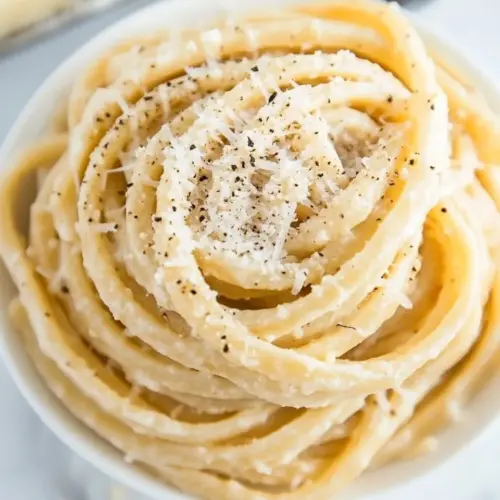
Vegan Cacio e Pepe
Vegan Cacio e Pepe delivers a creamy, peppery bowl of comfort made from soaked cashews, nutritional yeast, and a bright crack of pepper. This easy weeknight pasta is rich, silky, and plant based, perfect for satisfying cravings without dairy. Quick to pull together and pantry friendly, it is a reliable go to when you want a simple, impressive dinner.
Equipment
- High Speed Blender
- Saucepan
- Mixing Bowl
Ingredients
- 3/4 cup raw cashews or macadamia nuts (unsalted) Soak and blend into a creamy base that mimics cheese richness; provides body, fat, and a silky texture when pureed with water for the sauce. Use raw unsalted nuts to control salt level and achieve a neutral, slightly sweet backbone that binds the cacio e pepe components.
- 2/3 cup water Dilute and emulsify the nut cream to reach a smooth, pourable sauce consistency; helps achieve the proper viscosity to coat pasta evenly. Warm water also aids blending for a glossy finish without thinning the flavor too much.
- 1 tbsp nutritional yeast or vegan Parmesan Boost savory, umami depth and contribute a cheesy, nutty flavor that approximates traditional Parmesan; stir into the blended nut mixture to enhance complexity. Nutritional yeast or vegan Parmesan adds a pronounced aged-cheese note that lifts the simple pepper-forward profile.
- 1 tsp onion powder Add a gentle savory aromatics layer and rounded sweetness that complements the umami elements; incorporate into the sauce to balance flavors without overpowering the pepper. Onion powder provides subtle depth and helps mimic the savory outline of dairy-based cacio sauces.
- 3/4 tsp salt Season and enhance overall taste, helping to accentuate both the nut-based creaminess and the peppery notes; measure carefully to avoid oversalting. Salt also helps the pasta water season the noodles, improving flavor distribution in the finished dish.
- 1/8 tsp ground pepper plus more for serving Provide core heat and signature sharpness central to cacio e pepe; combine a small amount into the sauce and reserve extra for finishing to intensify the peppery kick. Ground pepper contributes aroma, bite, and the classic contrast against the creamy, cheesy-like base.
- 8 oz pasta or spaghetti squash Carry the sauce and absorb flavors while offering the desired texture for the dish; select pasta for traditional presentation or spaghetti squash for a lower-carb option. Cook pasta until al dente so the nut-based sauce clings properly, ensuring each strand is evenly coated.
Instructions
- If time permits, start by soaking the cashews in a bowl of water for an hour or two. Drain and pat dry. This optional step increases the creamy texture of the sauce. Blend all ingredients but the pasta in a high speed blender until very smooth. (If you do not own a high speed blender like a Vitamix, substitute half a cup of raw cashew butter for the nuts and use any blender or food processor.) The sauce should look thin. It thickens in the refrigerator or when heated in a saucepan. Serve over pasta, and garnish with vegan cheese and additional pepper if desired. Refrigerate any leftover sauce in a covered container for up to a week.: The first sensory cue here is when the cashews feel noticeably softer between your fingers, which makes them blend into a velvety base rather than a gritty paste. Soaking hydrates the nut and releases oils, which are critical for a creamy mouthfeel. It also reduces blending time and strain on your appliance. A common mistake is skimming this step, which leaves a slightly chalky texture. If you are short on time, rinse them in warm water for ten to fifteen minutes to help soften them, but the slow soak yields the best silkiness.
- Drain and pat dry: After soaking, you should notice the cashews appear plump and pale compared to their dry state, and they will give a faint, clean nut aroma. Patting them dry prevents diluting the sauce with excess liquid, which could force you to add more water and thin the flavor. This step matters because a more concentrated nut flavor translates to a richer final sauce. Avoid leaving them soggy, since too much water will alter the intended creaminess.
- This optional step increases the creamy texture of the sauce: The payoff is in the mouthfeel, where you will sense a smooth, almost buttery quality that mimics traditional cheese based sauces. The why here is simple, hydration unlocks the natural fats inside the cashews , allowing them to emulsify with water. If the sauce seems thin after blending, chill it briefly to let it firm, or warm gently while stirring to integrate. Overheating can cause separation, so keep temperatures moderate.
- Blend all ingredients but the pasta in a high speed blender until very smooth: You should hear the blender shift from a loud, grainy buzz to a sustained, even hum, and visually the sauce should be completely uniform with no tiny specks. The high speed blender creates a fine emulsion, capturing air and lightness that make the sauce feel decadent. If you notice coarse bits, blend longer and scrape down the sides. Using a lower power blender without swapping to cashew butter may leave noticeable texture, which is why some people opt for nut butter as a shortcut.
- If you do not own a high speed blender like a Vitamix, substitute half a cup of raw cashew butter for the nuts and use any blender or food processor: The substitution changes the sensory process because the sauce will come together faster and more uniformly without long blending. When using cashew butter , taste early, since store bought jars vary in salt and oil content. The benefit is convenience, and the main risk is ending up with a slightly sweeter or oilier profile depending on the brand, so adjust salt and nutritional yeast to taste.
- The sauce should look thin: Right out of the blender it will appear pourable and glossy, with a sheen that indicates proper emulsification. This is intentional, because the sauce thickens when chilled or when heated in a saucepan, and starting thin ensures it will coat pasta evenly without clumping. If it looks gluey or overly thick, thin with a splash of water until smooth. A typical mistake is over thickening at this stage, which makes it hard to get even coverage on the pasta .
- It thickens in the refrigerator or when heated in a saucepan: As it cools, the fats in the cashews firm slightly and the sauce becomes silkier to the bite. When you gently warm it, the sauce loosens and regains a glossy flow that clings to noodles. I prefer a very gentle warm up over low heat, stirring constantly so it does not stick or scorch. If you overheat, you risk altering the emulsion and getting a grainy texture.
- Serve over pasta, and garnish with vegan cheese and additional pepper if desired: As you plate, the aroma of cracked pepper should rise warm and fragrant, and you will notice each strand of pasta coated in a silky veil of sauce. The garnish adds contrast and visual appeal. A common presentation error is adding too much garnish which can overwhelm the subtle nutty base, so add sparingly. If the sauce seems to separate on the pasta , stir in a tablespoon of reserved pasta cooking water to rebind the emulsion.
- Refrigerate any leftover sauce in a covered container for up to a week: Chilled, the sauce becomes more set and concentrated, and reheating restores the texture if done gently. I always label jars with the date, and when reheating I add a splash of water and stir over low heat until it returns to a pourable consistency. Avoid microwaving at high power which can overcook and dry the sauce. If you notice any off smells or colors, discard immediately.
Notes
- Soak for silkiness Use a one to two hour soak for raw cashews to ensure they blend into a creamy, velvety sauce instead of a slightly grainy paste. If you are short on time, warm soak for ten to fifteen minutes to soften them, but do not skip soaking entirely if you want true creaminess.
- Adjust water gradually Start with the listed two thirds cup of water and add more in small increments while blending to reach your desired thickness. This lets you control richness and prevents making the sauce too thin from the outset.
- Taste for seasoning After blending, sample the sauce and tweak the salt and nutritional yeast. Brands differ widely, so I always add seasoning in small amounts until it sings. Over seasoning is easier to avoid when you taste as you go.
- Use reserved pasta water Keep a cup of the starchy cooking water from your pasta. A splash helps the sauce cling and emulsify with the noodles, creating a glossy finish rather than a clumpy one. Pour in a little at a time to reach the perfect coating.
- Freshly grind pepper For the most aromatic and punchy results, grind whole peppercorns just before finishing. The volatile oils lift the entire dish and provide the essential bite for Vegan Cacio e Pepe.
- Reheat gently When warming leftovers, do so over low heat with a spoonful of water to restore the emulsion. Rapid reheating can break the sauce and cause separation, so patience yields the best texture.