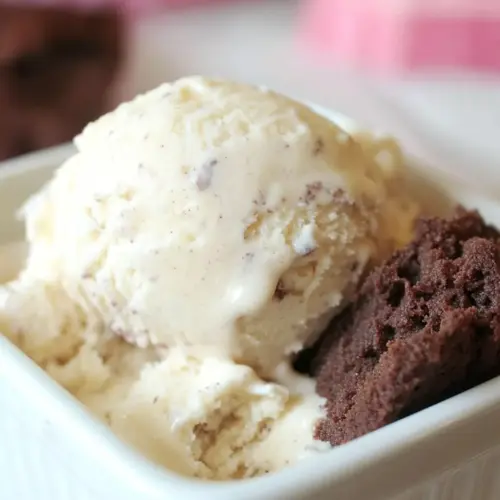
Vanilla Malted Brownie Ice Cream
Vanilla Malted Brownie Ice Cream is a creamy custard base folded with toasted malt flavor and chewy brownie chunks, offering a rich, velvety scoop that feels nostalgic and refined. This recipe yields a smooth, scoopable texture with pockets of intense chocolate, perfect for summer gatherings or indulgent nights in, and makes a compelling reason to make it for its layered flavor and comforting mouthfeel.
Equipment
- Saucepan
- Ice Cream Maker
- Mixing Bowls
- Double boiler
- 9 x 13-inch baking pan
- Whisk
Ingredients
- 1 cup whole milk Pinch of salt 3/4 cup white sugar 1 vanilla bean - split lengthwise 2 cups heavy cream 5 large egg yolks 1 teaspoon pure vanilla extract 1/2 cup malted milk powder 1/2 batch chopped (bite size) brownies Provide a creamy base and balance sweetness while contributing freshness; whole milk and heavy cream create the custard body, egg yolks enrich texture and emulsify fats, sugar sweetens and stabilizes, vanilla bean and extract add layered aromatic vanilla notes, malted milk powder delivers toasty, malt flavor, a pinch of salt enhances overall taste, and chopped brownies introduce chewy chocolate chunks throughout the ice cream.
- 6 ounces Scharffen Berger 70% Cacao Bittersweet Chocolate 3/4 cup butter 1 1/2 cups sugar 3 eggs 1 teaspoon vanilla 1 cup flour Melt into a fudgy brownie batter and supply rich chocolate structure; bittersweet chocolate and butter form a glossy chocolate matrix, sugar sweetens and helps create tender crumb, eggs bind and leaven slightly while adding richness, vanilla boosts flavor complexity, and flour provides necessary structure to yield bite-size brownies suitable for chopping into the ice cream.
Instructions
- For Ice Cream: Heat the milk, salt, and sugar in a saucepan. Scrape the seeds from the vanilla bean into the milk with a paring knife, then add the bean pod to the milk. Cover, remove from heat, and infuse for one hour. To make the ice cream, set up an ice bath by placing a 2-quart (2 l) bowl in a larger bowl partially filled with ice and water. Set a strainer over the top of the smaller bowl and pour the cream into the bowl.: As the liquid warms you'll notice the sugar dissolving and a faint steam rising, carrying a sweet dairy aroma, which signals the flavors are marrying; watch closely to avoid boiling, because overheating will scald the milk and change the custard's flavor; a common pitfall here is letting the mixture come to a rapid boil, which can create a cooked or burnt taste and risk curdling later.
- In a separate bowl, stir together the egg yolks. Rewarm the milk then gradually pour some of the milk into the yolks, whisking constantly as you pour. Scrape the warmed yolks and milk back into the saucepan.: The tiny black seeds release intense fragrance, and stirring them into the warm milk perfumes the whole base; let the vanilla pod steep to extract every bit of flavor; avoid skipping this infusion step because using only extract will produce a flatter, less aromatic custard.
- Cook over low heat, stirring constantly and scraping the bottom with a heat-resistant spatula, until the custard thickens enough to coat the spatula.: During this resting time the aromas intensify and the milk cools slightly, making it safer to temper with the eggs later; you will see a silky sheen on the surface when it is fully infused; do not rush this step, because insufficient infusion yields a weaker vanilla presence.
- Strain the custard into the heavy cream. Stir over the ice until cool, add the vanilla extract, then refrigerate to chill thoroughly. Preferably overnight.: The ice bath is your control station for rapidly cooling the custard later, preserving texture and food safety; when the cream hits the chilled bowl it will feel noticeably colder and heavier under your whisk; skipping a proper ice bath can lead to slower cooling and a coarser texture.
- Remove the vanilla bean and freeze the custard in your ice cream maker according to the manufacturer’s instructions.: Whisk the egg yolks until smooth and slightly pale, which helps them accept warmed milk without scrambling; the yolks should be fluid and glossy, not foamy, indicating they are ready for gentle tempering; a common error is not whisking thoroughly, which can create lumps when you add warm liquid.
- After ice cream is frozen (it will still be somewhat soft, like soft serve) add in malted milk powder and chopped brownies. Add to freezer safe container, cover with parchment paper and cover with lid. Freeze for at least 4 hours until hard and completely set.: By slowly adding warm milk you raise the yolks' temperature gradually, preventing curdling and creating a stable custard; you should see the yolks loosen into a silky ribbon as you whisk; hurriedly adding all the liquid at once risks creating scrambled egg bits in your custard.
- For Brownies: Preheat the oven to 325 F with a rack in the lower third. Butter a 9” x 13” baking pan (or line it with parchment paper): Return the tempered mixture to the heat for final thickening, and as you stir it over low heat you will notice the texture change from liquid to slightly thicker coating consistency; this step sets the foundation for the custard's richness and mouthfeel; overheating at this point will cause the custard to curdle and become grainy, so keep the heat low and stir constantly.
- Melt the chocolate and butter in the top of a double boiler over simmering water, stirring frequently until smooth.: Touch is important here, look for a velvety film that clings to the spatula; you may hear a soft, almost imperceptible simmer and smell a deepened, toasty dairy aroma as the proteins thicken; patience is key because rushing temperature will yield an overcooked custard; if you notice tiny curdled bits, remove from heat and strain immediately to salvage texture.
- Remove the top of the double boiler and stir in the sugar. Add eggs one by one, stirring thoroughly after each one. Stir in the vanilla. Add the flour and stir until well blended. Stir in the nuts. Scrape the batter in the pan and spread it evenly.: Pouring through a strainer removes any cooked bits for an impeccably smooth base; when mixed with cold heavy cream the custard softens and becomes silkier, and stirring over the ice bath ensures rapid cooling; chilling overnight deepens flavor and improves freeze quality; if you skip a long chill the churned ice cream may be softer and less set.
- Bake 30-35 minutes or until toothpick inserted in center comes up with crumbs (not batter). Cool the brownies in the pan.: As the machine spins the mixture will thicken and take on a luscious, aerated texture, with a sweet, warming aroma of vanilla; following your maker's timing helps achieve the right overrun and creaminess; overchurning can make the texture dense and icy, while underchurning will leave it too soft to hold mix ins.
- After ice cream is frozen it will still be somewhat soft like soft serve add in malted milk powder and chopped brownies: At this stage the custard should be smooth and cold, and folding in the malted milk powder will impart a nutty, toasted note while the chopped brownies add chewy chocolate pockets; mix gently so the ice cream retains its aeration and the brownies stay evenly distributed; rough stirring can overwork the texture and cause the brownies to disintegrate into the base.
- Add to freezer safe container cover with parchment paper and cover with lid Freeze for at least 4 hours until hard and completely set: Transferring to a shallow container helps the ice cream set evenly; the parchment keeps air exposure to a minimum and prevents ice crystals on the surface; after hardening you will notice a firm, scoopable texture and concentrated flavors; storing uncovered or for too long can lead to freezer burn and a dry, icy surface.
- For Brownies Preheat the oven to 325 F with a rack in the lower third Butter a 9 x 13 baking pan or line it with parchment paper: The lower rack encourages even baking for a fudgy center, and butter or parchment ensures the brownies release cleanly; the small adjustment of position affects browning and crumb texture; a typical mistake is placing the pan too high, which can brown the top too quickly while the center stays underbaked.
- Melt the chocolate and butter in the top of a double boiler over simmering water stirring frequently until smooth: Gently melting chocolate and butter preserves glossy sheen and prevents seizing; you should see smooth, ribbon like swirls as the two come together, and the smell will deepen into a warm, cocoa perfume; avoid direct heat because chocolate can burn or become grainy.
- Remove the top of the double boiler and stir in the sugar Add eggs one by one stirring thoroughly after each one Stir in the vanilla Add the flour and stir until well blended Stir in the nuts Scrape the batter in the pan and spread it evenly: Incorporating sugar and then eggs yields a glossy batter that becomes fudgy when baked; adding the flour last preserves a dense, tender crumb; spread the batter evenly to avoid thin spots that overcook; overmixing after adding flour will develop gluten and produce cakier brownies instead of fudgy ones.
- Bake 30 to 35 minutes or until toothpick inserted in center comes up with crumbs not batter Cool the brownies in the pan: You want the edges to be set and a toothpick to return a few moist crumbs, which indicates a fudgy interior; once cooled the brownies will firm up and be easy to chop into bite size pieces; removing them too early results in a gooey center that is hard to handle, while baking too long yields dry, crumbly brownies.
Notes
- Chill thoroughly: Always refrigerate the custard overnight when possible, because a well chilled base churns faster and freezes smoother, giving the final ice cream a creamier texture.
- Use quality chocolate: For the brownies use high quality chocolate with good cocoa content to ensure depth of flavor that stands up to the sweet custard.
- Measure malt carefully: Malted milk powder can be intense, so add it gradually and taste as you fold it in to avoid overpowering the vanilla base.
- Don’t overmix mix ins: Fold in chopped brownies gently at the end of churning to keep them chunky and prevent them from breaking down into crumbs.
- Prevent freezer burn: Press a piece of parchment directly onto the surface of the ice cream before sealing the lid, which limits air contact and keeps the texture fresh.
- Check baking time: For fudgy brownies aim for slightly underdone center crumbs on the toothpick; this yields the best chewy pieces for mixing into ice cream.