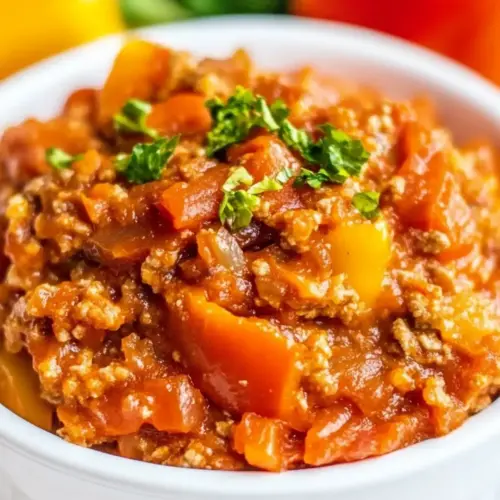
Unstuffed Pepper Casserole
Unstuffed Pepper Casserole is a creamy, savory skillet meal that layers tender rice, juicy beef, and colorful bell peppers, finished with melty cheese. This easy weeknight dinner is hearty, flavorful, and reheats beautifully, making it perfect for families and meal prep. Make it for a simple, comforting meal that feels special without extra fuss.
Equipment
- Large Skillet
- Heat proof spoon
- Lid
Ingredients
- 2 tablespoons olive oil (or any vegetable oil) Heat and sauté other aromatics or proteins; provides the cooking medium and helps brown meat for flavor development.
- 1/2 cup chopped onions (I used sweet onions, but you can use white or red onions) Add sweetness and savory depth when diced and softened; contributes moisture and a tender texture when cooked down.
- 2 cups diced bell peppers (I used 2/3 cup of each red bell pepper, orange bell pepper, and yellow bell pepper) Contribute bright, slightly sweet flavor and colorful texture; soften when cooked and complement the richness of the beef.
- 1 pound ground beef (I used ground Chuck 80-20) Provide hearty protein and savory richness; browns to create fond that deepens the casserole’s overall flavor.
- 1 teaspoon salt Enhance overall seasoning and bring out natural flavors; balances the savory elements and seasons rice and meat throughout.
- 1 teaspoon onion powder Deliver concentrated onion flavor without moisture; boosts savory notes and layers umami into the dish.
- 1 teaspoon minced onion Supply finely textured onion flavor for an immediate savory hit; blends seamlessly into the sauce for consistent taste.
- 1 teaspoon paprika (smoked or sweet paprika) Add warm, slightly smoky or sweet complexity to the dish; rounds out the seasoning profile and complements the beef.
- 1/2 teaspoon ground pepper Contribute mild heat and a sharp finishing note; balances richness and brightens flavors when adjusted to taste.
- 2 1/2 cups beef broth Provide savory liquid to cook the rice and build a rich sauce; imparts beefy depth and prevents dryness.
- 14.5 ounces petite diced tomatoes (not drained) Introduce bright acidity and tomato flavor along with some liquid; adds texture and fresh tomato notes to the casserole.
- 2 tablespoons tomato paste Concentrate tomato flavor and thicken the sauce; deepens color and umami for a richer, cohesive filling.
- 1 cup rice Supply starchy bulk that absorbs flavors and liquids; cooks in the sauce to become tender and binding within the casserole.
- 2 cups shredded mild cheddar cheese (divided in half) Melt into a creamy, savory topping and filling; adds richness, gooey texture, and a pleasant cheesy finish when divided.
Instructions
- In a large skillet, over medium heat, pour the olive oil and add the onions. Stir and cook for 1 to 2 minutes until the onions are nice and warm.: The moment the olive oil warms, it should shimmer slightly when the pan is ready; add the onions and listen for a gentle sizzle. As you stir, the scent of softened onion will evolve from sharp to sweet within about 1 to 2 minutes. This brief sweat releases sugars and builds a savory backbone, which is crucial because it supports the rest of the dish. Avoid browning at this stage, a common mistake is overheating so the onions brown too quickly, which can make them bitter rather than sweet.
- Add the chopped peppers and keep cooking and stirring until they are warm (1 to 2 minutes) and the onion starts to be translucent. Don’t overcook the vegetables as we want a slight crunch in them when serving.: You will notice the pepper pieces become brighter in color as they warm, and the onions will turn more translucent. The peppers should still hold a bit of crunch, so cook for only about 1 to 2 more minutes. The snap and freshness of the bell peppers contrasts with tender rice later, so do not let them go limp. A common pitfall is overcooking them into mush, which flattens the texture profile of the casserole.
- Add the ground beef, salt, onion powder, minced onion, paprika, and ground pepper.: As you add the seasoned ground beef , you will see it start to brown at the edges. The spices will bloom when they hit the hot fat, releasing a toasty aroma that signals flavor development. This seasoning stage is essential because it ensures the meat is flavorful throughout, rather than bland pockets of beef. One thing to watch is crowding the pan, which can steam the meat instead of browning it, so keep the heat steady and spread the beef out.
- Using a heat-proof spoon, over medium heat, break the meat into pieces and mix so the seasoning can spread throughout the mixture. Keep cooking until the meat is fully cooked, with no more pink.: The sound here is important, you want a steady sizzle and a little browning noise as the meat hits the pan. Breaking the meat into even pieces helps it cook uniformly and lets the spices coat every morsel. Continue until there is no pink left, as undercooked beef will affect texture and safety. A common error is rushing this step which leaves gray, steamed meat rather than nicely browned bits that add savory depth.
- Pour in the beef broth, diced tomatoes, and tomato paste. Mix well.: When the liquids go in, the skillet will steam briefly and the aroma will lift into a rich, tomato forward scent. Stir well so the tomato paste dissolves and incorporates, which prevents pockets of concentrated paste. This mixture becomes the cooking liquid for the rice , so even distribution is essential for consistent texture. Avoid adding too little liquid, or the rice may cook unevenly and stick to the bottom.
- Add the rice and mix so all the ingredients in the mixture are evenly distributed.: As you stir the rice into the skillet, each grain should be coated and settle into the broth. This step ensures the grains absorb flavor as they cook. You will see the liquid level even out and bits of seasoning suspended in the mixture. A typical mistake is not mixing thoroughly, which can lead to pockets of undercooked rice.
- Bring to a simmer, cover, and cook for 20 to 25 minutes or until the rice is nice and tender.: Once simmering, the pot will emit steady little bubbles and a gentle steam; cover to trap heat and cook undisturbed. The aroma will deepen and the rice will swell as it absorbs the broth and tomato juices. Check toward the end for tenderness; the grains should be plump and tender, not chalky. Lifting the lid too often releases steam and can extend cooking time, so resist peeking frequently.
- Once the rice is cooked, sprinkle 1 cup of the shredded cheese. Mix well so the cheese can melt in the skillet. This step is optional, if you are skipping this step, only use 1 cup of cheese in the ingredients.: With the pan off the heat, the first cup of cheese melts into the hot mixture, creating a creamy cohesion. The smell becomes warmly cheesy and comforting when the cheese incorporates. Mixing it in adds silkiness and binds the casserole, helping it hold together on the plate. One mistake is waiting too long to add the cheese, which prevents it from melting evenly into the dish.
- Sprinkle the remaining cheese on top. Cover and let it melt.: Layering the remaining cheese on the surface creates a molten top that can be covered to steam into a gooey finish. You will see the top take on a glossy, melted look as it rests, and the aroma of warm cheese will intensify. For a different texture, broil briefly until the top is golden, but be careful not to burn it. A common error is applying high heat too close for too long, which can make the top greasy or scorched.
- Serve and Enjoy!: When you spoon the casserole onto plates, you should notice contrasting textures: tender rice , juicy bits of beef , and bursts of pepper freshness, all tied together by melted cheese . The first bite should reveal savory, tomato undertones and a pleasant mouthfeel. If the dish tastes flat, a pinch of salt or a quick stir and reheat can help marry flavors. Avoid serving when it is piping hot straight from the pan; letting it rest a few minutes improves sliceability and flavor melding.
Notes
- Swap the beef carefully Use a leaner ground beef if you prefer less fat, but be aware leaner blends cook faster and can dry out, so monitor moisture and add a touch more beef broth if needed.
- Cheese variation Mild cheddar cheese works well, but you can mix in other mild melting cheeses; freshly shredded cheese will always melt smoother than pre shredded options.
- Rice alternatives Use long grain white rice for predictable results; if you try brown rice, increase the liquid and cooking time substantially to ensure it reaches tenderness.
- Make it ahead You can prepare the casserole and store it in the fridge, then reheat gently covered, stirring occasionally to restore creaminess without drying out.
- Browning matters Take the time to brown the ground beef properly, those browned bits add savory notes that a quick cook cannot replicate.
- Adjust seasoning at the end Always taste near the finish; canned tomatoes and broths vary, so a final seasoning touch of salt or pepper can balance the dish.