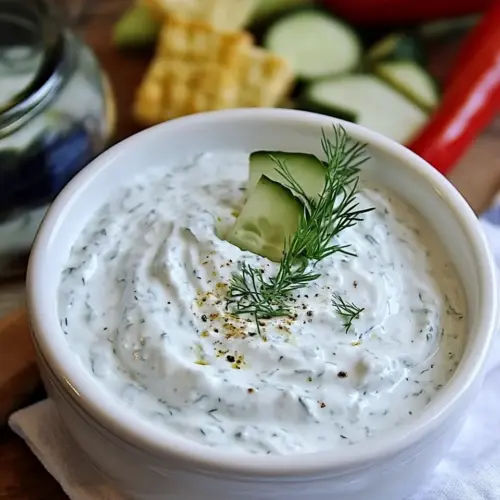
Tzatziki Sauce
Tzatziki Sauce is a creamy, tangy, and refreshing condiment featuring strained yogurt, crisp cucumbers, zesty lemon, and aromatic garlic and dill. Perfect as a dip, spread, or cooling topping for grilled foods and salads, this easy make ahead sauce brightens weeknight dinners and summer gatherings. Make it to add a velvety, herbaceous lift to your meals.
Equipment
- Colander
- Fine mesh or cheesecloth
- Food Processor
- Mixing Bowl
- Paper towels
Ingredients
- 3 cup s Greek Yogurt (or regular plain yogurt, strained through a filter for several hours) Provide a creamy, tangy base that binds flavors and lends body; Greek yogurt adds a thick, luscious texture and tang that defines traditional tzatziki. Use full-fat or strained yogurt for richness and a silken mouthfeel, and chill before serving to enhance freshness.
- juice of one lemon (about 3 T) Add bright acidity and a citrusy lift that balances the richness of the yogurt; lemon juice cuts through fat and brings freshness. Use freshly squeezed juice for best flavor and adjust amount to taste to avoid overpowering other components.
- 1 garlic clove, chopped Contribute a sharp, pungent aromatic bite that punctuates the sauce; minced garlic provides depth and savory heat. Add garlic gradually and allow the sauce to rest so flavors mellow and integrate for a smoother, balanced profile.
- 2 medium cucumbers, seeded and diced Provide crisp, refreshing texture and subtle vegetal sweetness when seeded and diced; cucumbers bring moisture and crunch to the sauce. Salt and drain or squeeze briefly to remove excess water and prevent thinning of the yogurt base.
- about 1 T kosher salt for salting cucumbers Draw out excess moisture from cucumbers while seasoning them to preserve texture; kosher salt helps firm the cucumber pieces and intensify flavor. Use the recommended amount and rinse or pat dry if needed to control saltiness before combining with yogurt.
- 1 T finely chopped fresh dill (see notes) Impart fresh, herbaceous notes and a characteristic Mediterranean aroma; finely chopped dill brightens and complements cucumber and lemon. Add dill toward the end of mixing to retain its fragrance and avoid bitterness from overworking.
- Kosher salt and fresh ground black pepper to taste Season to taste for balanced flavor and seasoning control; kosher salt and freshly ground black pepper enhance and round out all other ingredients. Taste after combining components and adjust incrementally to achieve a harmonious final sauce.
Instructions
- If you don't have Greek yogurt, strain plain yogurt for several hours until it thickens. (See photos above for how to do that.): On first contact you'll notice watery consistency in unstrained yogurt , with a thin, milky sheen. Straining concentrates the creamy solids so the texture becomes dense and velvety, which helps the final Tzatziki Sauce cling to foods. Place a fine mesh or cheesecloth over a bowl, spoon in the yogurt , and let gravity do its work in the refrigerator for at least two to four hours. The aroma will be tangier and cleaner as the whey separates, and the sound is quiet, just the soft drip of liquid. This step matters because excess liquid can dilute flavors and make the sauce runny. A common mistake is rushing this: if you do, the sauce may weep water when chilled. If short on time, use thick Greek Yogurt to avoid long straining.
- Peel cucumbers, then cut in half lengthwise and take a small spoon and scrape out seeds. Discard seeds. (If you use the small seedless or European cucumbers with fewer seeds, you can skip this step.): When you peel and halve the cucumbers , they'll feel cool and slightly crunchy under your knife, with a mild, green scent. Scooping out the seeds removes the watery center that can thin the sauce and make it dilute quickly. Use a small spoon and run it along the cavity, watching for translucent seed rows to come away clean. The texture after seeding is firmer and drier, which helps maintain bite in each spoonful. This matters because excess moisture reduces creaminess. A mistake to avoid is leaving large seed pockets, which will make the sauce watery after sitting. If your cucumbers are the small, seedless type, you can skip this, but taste for moisture first.
- Slice cucumbers, then put in a colander, sprinkle on 1 T salt, and let stand for 30 minutes to draw out water. Drain well and wipe dry with paper towel.: As you slice the cucumbers , there will be a crisp snapping sound and a fresh vegetal smell. Salting them in a colander encourages moisture to bead and drain away, and after about 30 minutes you will see liquid collecting. This process concentrates the cucumber flavor and prevents a watery sauce. After draining, press or pat the slices with a paper towel to remove residual moisture until they feel drier to the touch. The why is simple: concentrated texture equals a creamier end result. A typical error is skipping this wait, which leads to soupy Tzatziki Sauce . If you forget the full half hour, at least press hard to remove as much water as possible.
- In food processor with steel blade, add cucumbers, garlic, lemon juice, dill, and a few grinds of black pepper. Process until well blended, then stir this mixture into the yogurt. Taste before adding any extra salt, then salt if needed.: When you pulse these aromatics together, the room will fill with a sharp, zesty scent from the lemon and a savory note from the garlic . The sound of the processor changes as the mixture moves from distinct pieces to a coarse, cohesive paste. This step helps meld the flavors and creates small pieces that distribute evenly in the yogurt . The texture should be moist but not soupy; if it looks too wet, drain a bit more. Avoid over processing into a puree if you want a little cucumber texture. One misstep is adding too much lemon at this stage, which can overpower the balance, so reserve a touch for tasting later.
- Place in refrigerator for at least two hours before serving so flavors can blend. (This resting time is very important.): As you stir the bright aromatic mixture into the thick yogurt , notice how the colors and textures marry, and how the aroma becomes rounded. The sound is the quiet scrape of the spoon against the bowl, and the feel is a smooth, resilient spoonable texture. Gently folding preserves some cucumber character while ensuring even flavor distribution. This technique matters because aggressive stirring can break down textures and lead to a flatter mouthfeel. A common pitfall is under mixing, leaving pockets of intense garlic or lemon; taste as you incorporate to avoid surprises.
- When you're ready to serve, season Tzatziki to taste with salt and fresh-ground black pepper.: When you sample the mixed Tzatziki Sauce , the first impression should be cooling and tangy with a mild garlicky warmth. Taste to judge salt because the cucumbers were pre salted and the quantities can vary. Add small increments of kosher salt and stir, allowing the heat and acid to balance. The why is that salt amplifies flavors without turning the sauce briny. Avoid oversalting by adding little at a time; an easy mistake is assuming more is better. If you do over salt, add a bit more strained yogurt to rebalance.
- This will keep for a few days or more in the refrigerator, but you will need to drain off any water and stir each time you use it.: Chilling transforms the taste, calming sharp raw garlic and letting the herb and citrus notes integrate with the creamy base. The sauce will feel firmer and the aroma will be milder and more cohesive after resting. This waiting period is crucial for depth of flavor, and the sound is simply the quiet hum of your fridge as the sauce rests. A mistake is serving too soon, when the garlic can be aggressive and the textures may not have settled. If you must serve quickly, rest it for at least thirty minutes to temper the edges.
- When you're ready to serve, season Tzatziki to taste with salt and fresh-ground black pepper: Right before plating, give the sauce a final tasting for balance. Freshly ground black pepper adds a whisper of heat and complexity. Adjust salt sparingly and remember that cold foods often taste less salty, so small adjustments can make a big difference. This finishing touch ensures your Tzatziki Sauce is lively and well rounded. A common error is overpeppering at once, which can mask subtle flavors; add modestly and taste between additions.
- This will keep for a few days or more in the refrigerator, but you will need to drain off any water and stir each time you use it: As the sauce sits, separation can occur and water may collect on top. Before serving, pour off excess liquid and give it a good stir to restore texture. The aroma will mellow but the flavor remains bright when properly handled. This matters because stubborn water dilutes the impact and leads to less appealing mouthfeel. A mistake people make is discarding the sauce at the first sign of water; simply drain and mix to refresh it.
Notes
- Chill longer for milder garlic, let the sauce rest in the refrigerator overnight if you want a gentler, more integrated garlic presence, which also deepens the herb notes.
- Use full fat yogurt, if you prefer a richer, silkier texture that carries flavors with more weight and a creamier mouthfeel.
- Grate cucumbers for a silkier texture, use the large holes of a box grater and squeeze the excess moisture to create a velvetier sauce ideal for spreading.
- Stir in extra dill sparingly, fresh chopped dill gives a punch of green flavor; add a teaspoon at a time and taste so it complements rather than overwhelms.
- Reserve a bit of lemon, holding back a teaspoon of lemon juice lets you finish with a bright lift at the end, helping to balance salt and richness.
- Adjust garlic intensity, mince finely or press for a stronger hit, or reduce to a half clove if you want just a whisper of heat and aroma.