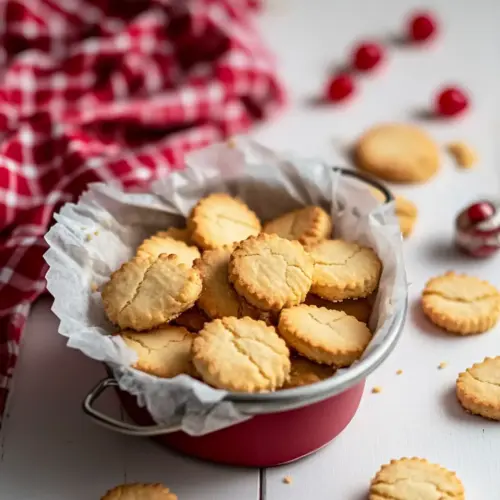
The Best Ever Whipped Vanilla Shortbread Biscuits
The Best Ever Whipped Vanilla Shortbread Biscuits are airy, buttery, and delightfully tender, with a gentle vanilla aroma. These easy to share biscuits are perfect for tea time, parties, and gifts, offering a crisp edge and melt in your mouth center. Make a big batch for gatherings or halve it for a cozy afternoon treat, they are an irresistible reason to bake today.
Equipment
- Electric Mixer
- Mixing Bowl
- Piping Bag
- Baking trays
- Cooling rack
Ingredients
- 500 g m butter room temperature Softens and enriches the dough by providing moisture, tenderness, and a rich mouthfeel; room temperature butter whips easily with sugar to incorporate air for lighter, melt-in-the-mouth biscuits. Contributes to the shortbread texture by coating flour proteins, limiting gluten formation and creating a crumbly structure when baked.
- 130 g m icing sugar Sweetens and helps create a fine, smooth texture when creamed with butter; icing sugar dissolves quickly into the fat, preventing grittiness and promoting aeration. A small amount also aids in achieving a delicate crust and balanced sweetness in each biscuit.
- 60 g m cornflour Lightens the crumb and contributes to a tender, melt-away texture by reducing gluten development when mixed with flours; cornflour adds silkiness and a subtle tenderness. Used in shortbread to produce a finer, softer bite and to help control moisture.
- 420 g m cake flour Provides the primary structure and bulk for the biscuits; cake flour's lower protein content yields a delicate, tender crumb ideal for shortbread. Blended with cornflour, it creates a fine, soft texture while supporting shape and bake stability.
- 5 ml vanilla extract Adds aromatic vanilla flavor and enhances overall sweetness perception; vanilla extract brings warm, familiar notes that complement the buttery shortbread. A small amount infuses the dough with depth without overpowering the delicate texture.
- decorations of your choice halved glacé cherries, coloured sprinkles, hundreds and thousands, etc. Provides visual appeal and festive finishing touches when applied after baking; halved glacé cherries, sprinkles, and hundreds and thousands add color and textural contrast. Used sparingly, decorations elevate presentation while keeping the shortbread's classic buttery flavor prominent.
Instructions
- Preheat the oven to 180 °C. Line 2 large baking trays with silicone sheets or baking paper.: You should feel the kitchen warming as the oven approaches 180 °C , and the aroma from a warm oven feels reassuring. Proper tray preparation ensures even baking and easy release, so line two large trays with silicone sheets or baking paper to prevent sticking. If you crowd the tray, biscuits will spread into each other instead of keeping round shapes. One mistake is not rotating trays midway, which can cause uneven browning, so plan to swap positions halfway through baking.
- Using an electric mixer, cream the butter.: As you beat the softened butter , you should see it transform from pale and dense to light and slightly fluffy, with tiny air bubbles forming. This aeration is crucial for a tender texture, because trapped air expands in the oven and lifts the dough. If you rush this step, the butter will remain heavy and the biscuits will be dense. Avoid overheating the butter with vigorous mixing at high speed for too long, which can make it greasy and reduce the biscuit lift.
- Sift together the icing sugar, cornflour, and cake flour, then add this, along with the vanilla extract, to the creamed butter and beat until you have a light, fluffy dough.: When you sift the icing sugar , cornflour , and cake flour , you remove lumps and introduce air, producing a silkier dough. After adding the sifted dry ingredients and vanilla extract to the creamed butter , beat just until the mixture holds together as a pale, slightly billowy dough. You should notice a fine, delicate scent of vanilla and a smooth texture. Overmixing at this point develops gluten and can make the biscuits tougher, so stop as soon as the dough is cohesive. A common trap is adding extra liquid if the dough seems dry, which will change the texture and spreading behavior.
- To create evenly sized biscuits, put the mixture into a piping bag and pipe out rounds onto the baking tray, leaving space in between for the biscuits to spread. Alternatively, simply drop teaspoonfuls of the mixture onto the tray. Decorate any way you like.: Piping produces uniform rounds with pretty ridges, while dropping teaspoonfuls gives a more rustic look. As the dough hits the tray, you should notice a slight sheen and a smooth surface ready for decoration. Leave adequate space between rounds so they can spread to their natural size, and press halved glacé cherries or sprinkles gently onto the tops so they adhere. A frequent error is piping too close together which causes the biscuits to fuse; space them well and keep the tray level when transferring to the oven.
- Bake for 15–20 minutes, or until they just start browning on top. Leave to cool on a cooling rack.: During baking you will hear a quiet settling and see edges turn slightly paler gold while centers remain light, which signals readiness. Aim for the moment they just begin to brown on top; this ensures a tender center and a delicate, slightly crisp edge. Once out of the oven, transfer to a cooling rack so air circulates and they set without steaming underneath. Leaving them too long on a hot tray can lead to overbrowning, and underbaking will cause them to crumble. If you notice uneven browning, check oven temperature accuracy or rotate trays next time.
Notes
- Scale confidently: If you want fewer biscuits, halve the ingredients evenly, and remember baking time is similar, but check a few minutes earlier.
- Storage method: Keep cooled biscuits in an airtight container at room temperature for up to five days, layering with parchment to protect delicate surfaces.
- Freezing tips: Freeze unbaked piped rounds on a tray, then transfer to a sealed bag; bake from frozen, adding a minute or two to the time if needed.
- Kid friendly prep: Let children press decorations on the rounds, which is safe and builds excitement for eating the finished biscuits.
- Oven check: Ovens vary, so start checking at 12 minutes; look for the faintest golden edge to catch the perfect tender center.