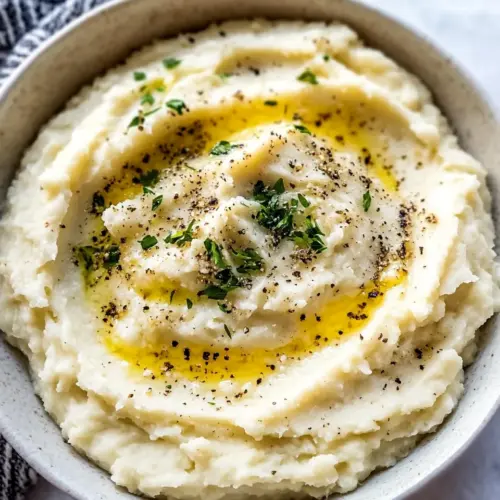
The Best Creamy Mashed Cauliflower
The Best Creamy Mashed Cauliflower is a creamy, silky low carb side that feels indulgent yet light. With tender cauliflower, a touch of cream cheese and fragrant garlic, it makes an easy weeknight dinner accompaniment and a great holiday alternative. Make it for guests or a cozy family meal for a comforting bowl everyone will request again.
Equipment
- Food Processor
- Silicone Steamer
- Serving bowls
Ingredients
- 1 head cauliflower, or 16 oz bag frozen cauliflower Steam or roast until very tender, then mash to create the creamy base of the dish; cauliflower provides a low-carb, neutral backdrop that absorbs flavors well. Use fresh head or frozen florets depending on convenience, and drain any excess moisture to avoid watery mash.
- 2 tablespoons unsalted butter, or olive oil Melt or whisk into the mash to add richness and smooth mouthfeel, replacing with olive oil for a dairy-free option. Adjust amount to taste and incorporate gradually so the mixture stays creamy without becoming greasy.
- 3 cloves garlic, minced Sauté briefly to release aroma and infuse the mash with savory depth; minced garlic brightens the overall flavor profile and complements the buttery notes. Add during cooking or fold in at the end for a sharper garlic presence, depending on preference.
- 3 tablespoons cream cheese, or heavy whipping cream or sour cream Stir in for extra creaminess and tang, or substitute with heavy cream or sour cream to achieve desired texture and richness. Use sparingly at first, then taste and add more to balance thickness and flavor.
- 1/4 cup parmesan cheese, optional Sprinkle in to lend a salty, nutty umami lift that enhances overall savoriness; omit if avoiding dairy or strong flavors. Add gradually and taste as parmesan can quickly dominate the delicate cauliflower.
- salt & pepper, to taste Season liberally to balance flavors and bring out the natural sweetness of the cauliflower; adjust salt and pepper to personal preference. Add in small increments and taste between additions to avoid over-seasoning.
Instructions
- Rinse and cut cauliflower into florets. Steam or blanch cauliflower for 10 minutes or until fork-tender and soft. Remove from heat and drain well.: The kitchen will smell clean and faintly vegetal as you work, with the bright, slightly cabbage like scent of raw cauliflower filling the air. Removing thick stems and cutting into even sized florets ensures uniform cooking, which prevents some pieces from turning to mush while others remain firm. A common mistake is leaving very large chunks, which take longer to soften and create uneven texture. Aim for bite sized florets so they steam through at the same time, and rinse them well to remove any dirt or grit.
- While the cauliflower is cooking, heat butter over medium-high heat in a small saucepan. Add the garlic and sauté for 1-2 minutes or until the garlic is fragrant and begins to turn golden.: Steam releases a sweet, softened aroma and produces steamed steam that looks glossy as it escapes the steamer. The sound is gentle, a soft hiss as water evaporates. The right cue is when a fork slides into a floret with little resistance, yet the piece still holds shape. Over steaming leads to excessive water retention and a watery mash, while under steaming yields a grainy result. Drain thoroughly and, if needed, pat dry to remove surface moisture so the mash stays thick.
- Remove from heat and add to a large food processor along with cooked cauliflower, parmesan, and cream cheese. Season with a dash of salt and pepper, to taste.: When you dump the cooked cauliflower into a colander the residual steam will rise, carrying a mild nutty scent. Give it a few minutes to drain and, if using frozen florets, press gently to expel trapped liquid. Excess water is the sneakiest reason for a thin, mealy purée later. A bad habit is blending while the florets are still steaming wet; avoid that by ensuring they are as dry as possible before processing.
- Blend until the cauliflower is smooth and resembles the texture of mashed potatoes. Alternatively, mash with a masher until it looks like mashed potatoes.: The butter will sizzle and foam when it warms, releasing a rich, toasty aroma that enhances the whole dish. This brief heat softens the fat so it melds into the mash smoothly. If the butter browns, it will add a toasted, slightly nutty note, but if it burns, bitterness follows. Keep the heat at medium-high and watch closely so it clarifies without scorching.
- Serve with pats of butter and herbs of choice.: The scent will bloom quickly, filling the kitchen with warm savory notes. Golden edges signal the caramelization of natural sugars and the mellowing of raw sharpness. If the garlic darkens past golden, it becomes bitter and will taint the mash, so remove from heat promptly. A common oversight is leaving minced garlic in the pan too long; remove it as soon as it becomes aromatic and lightly colored.
- Remove from heat and add to a large food processor along with cooked cauliflower, parmesan, and cream cheese: When the warm garlic infused butter meets the soft cauliflower , you’ll notice a cohesive aroma that suggests richness. Adding the parmesan and cream cheese at this stage allows residual heat to loosen them slightly, which helps incorporation. If the mixture is too hot, let it cool briefly so the cheeses blend smoothly rather than clumping. One mistake is overfilling the processor, which prevents even blending, so work in batches if needed.
- Season with a dash of salt and pepper, to taste: As the components combine you will see the texture go from chunky to glossy, and seasoning now lets the flavors pop. Taste and adjust gradually, because the parmesan and butter contribute salt that builds quickly. Over seasoning is easy to do, so add a little, blend, then taste again until you reach balance.
- Blend until the cauliflower is smooth and resembles the texture of mashed potatoes: The food processor whir will change from a choppy sound to a steady hum as the mixture smooths out. Visually, look for a consistently creamy surface without visible curds. If you want an ultrafine texture, pulse longer, but be mindful that excess blending can create a gluey mouthfeel from released starches. If the texture seems too thick, add a spoonful of water, cream, or olive oil sparingly.
- Alternatively, mash with a masher until it looks like mashed potatoes: With a hand masher you will feel the resistance lessen as the florets break down, and the tactile feedback helps you judge the final texture precisely. The mash will be slightly more rustic with lovely small bits, which many prefer for mouthfeel. Avoid overworking it, which can lead to a gummy consistency. If lumps persist, a short pass in a processor can finish the job without losing the rustic character.
- Serve with pats of butter and herbs of choice: A finishing pat of butter will melt into glossy rivulets, releasing a final buttery perfume, while fresh herbs bring a bright counterpoint. The visual cue of glossy sheen and flecks of herb makes the presentation inviting. A common serving mistake is skipping the finishing fat, which can leave the mash looking dull and slightly dry. Add butter and herbs just before serving for best impact.
Notes
- Swap the dairy Use vegan cream cheese or coconut cream in place of the cream cheese to make the mash dairy free while retaining a lush mouthfeel.
- Make it lighter Replace cream cheese with a splash of vegetable broth and a drizzle of olive oil for a lighter, but still creamy, texture.
- Go cheesy Stir extra parmesan into the finished mash for a more pronounced savory umami character, adding it off heat to melt gently.
- Boost the aromatics Add a pinch of roasted garlic or finely minced shallot for a deeper, sweeter oniony background without overpowering the dish.
- Finish with herbs Toss in chopped fresh parsley, chives, or dill just before serving to add color and a fresh herbal lift to the bowl.