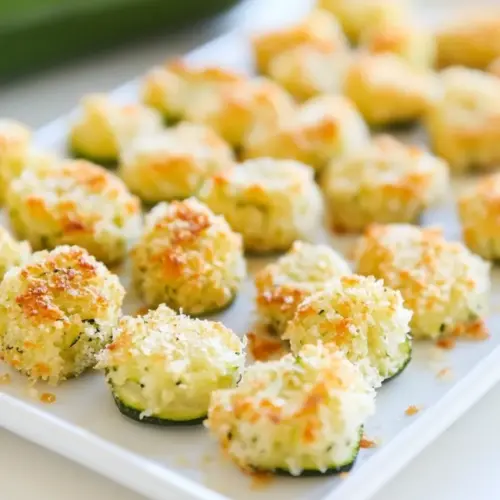
Tater Less Parmesan Zucchini Tots
Tater Less Parmesan Zucchini Tots are a crispy, cheesy, easy summer snack that swaps potatoes for tender zucchini. Coated in Panko breadcrumbs and Parmesan cheese then baked until golden, they deliver a crunchy exterior and soft center, perfect for an easy weeknight dinner or party appetizer. Make them for a lighter, crowd pleasing bite that disappears fast.
Equipment
- Baking Sheet
- Mixing Bowls
Ingredients
- 2 medium/large zucchini, sliced into tot-sized pieces, about 1/2-inch diameter and 1-inch long (I didn’t peel) Sliced into tot-sized pieces to provide the primary vegetable body and moisture for the tots; offers a mild sweetness and tender texture when cooked while absorbing seasonings well.
- 1/2 cup all-purpose flour Used to bind and lightly coat the zucchini pieces so coatings adhere; adds structure to the exterior and helps create a slightly crisp crust after frying or baking.
- salt and pepper, to taste Seasoned to taste to enhance overall flavor balance; controls saltiness and brings out the natural zucchini sweetness while pepper adds mild heat and complexity.
- pinch Jerk or Creole seasoning, cayenne, chili powder, etc. optional and to taste Added as an optional spark of heat and aromatic complexity to customize the flavor profile; small pinches can elevate the tots without overpowering the other components.
- 2 large eggs, lightly beaten Lightly beaten to act as a wet binder that helps the flour and breadcrumbs adhere to the zucchini; contributes richness and aids in achieving a cohesive coating.
- 1 cup Panko breadcrumbs Provides crunchy texture and a toasty exterior when coated on the zucchini; absorbs egg wash and browns nicely for an appealing crisp finish.
- 1/2 cup grated Parmesan cheese, fresh or green can Mixed into the breadcrumb coating to add savory umami and a salty, nutty depth; melts slightly and complements the zucchini’s mild flavor while boosting overall taste.
- ketchup, for serving (or Creamy Parmesan Dip, Creamy Wasabi Dip, Spiced Ranch Dip Served as an accompaniment to add moisture and a contrasting flavor; pairs with the crispy tots to provide sweetness, tang, or creamy savory notes depending on the choice.
Instructions
- Preheat oven to 400 F, line a baking sheet with a Silpat, parchment, or spray with cooking spray.: When you slide the tray into a fully preheated oven the surface crisps consistently, producing the ideal golden edges and sizzling sound that signals Maillard browning. You should smell a toasty, slightly nutty aroma as the Panko breadcrumbs and Parmesan cheese begin to brown. A common mistake is placing the tray into a cold oven which yields uneven browning, so always let the oven come to temperature first. Also ensure the tray is lined or well greased to prevent sticking so the crispy bottoms release cleanly.
- Slice the zucchini (I quarter it into long spears, then slice the spears into 1-inch long segments) and transfer zucchini pieces to a large bowl.: As you cut the zucchini , notice the moisture pooling at the cut surfaces and the fresh vegetal scent. Uniform 1 inch pieces help ensure even coating and consistent bake time, because varying sizes will brown and cook at different rates. A frequent misstep is making pieces too thick which prevents the interior from warming through before the outside is done; aim for the suggested size for best results. Place them in a large bowl so you have room to toss without spilling.
- Sprinkle with flour, salt and pepper, any optional seasonings or spices, and toss to coat evenly; set aside.: Tossing the zucchini in the seasoned flour creates a thin dry layer that helps the egg bind and improves adhesion of the breadcrumb mix. You should see a fine dusting cling to the surface of each piece, and the aroma of the spices bloom when combined with salt and pepper . Avoid adding too much flour which can create a gummy texture, and if pieces become clumpy, separate them gently with your hands to restore even coverage.
- In a medium bowl, beat the eggs; set aside.: Lightly beaten eggs should have a homogenous, pale yellow sheen and a slightly frothy surface if whisked briskly. The egg temperature matters; room temperature eggs will coat more evenly than straight from the fridge, which can cause chilling and uneven adhesion. A common oversight is leaving the eggs unattended and letting them sit too long, in which case they can develop a film and be less effective for coating.
- In a separate large bowl, add the Panko breadcrumbs, Parmesan, and stir to combine; set aside.: Mixing the Panko breadcrumbs with the Parmesan cheese distributes savory flavor into every nook of the crust. You should see flecks of cheese throughout the pale crumbs, and the mixture will give off a toasty, cheesy scent once combined. If you find the Panko is too coarse, pulse it briefly in a food processor for a more cohesive crust, but avoid turning it into fine dust which reduces the desired crunch.
- Using your hands or a slotted spoon, add about half of the floured zucchini pieces to the eggs for a quick dunk.: When you dunk the floured zucchini into the eggs , you should feel a slick, slightly tacky finish as the liquid clings. The egg is doing the crucial job of bridging the dry flour and the breadcrumb coating. Don’t let pieces sit in the egg too long or they will absorb excess moisture and the crust may become soggy; a quick dunk is all that is needed to coat.
- Remove zucchini from eggs and transfer to breadcrumb mixture. Toss with hands or a spoon to coat evenly.: Moving pieces from the egg into the Panko bowl, you should hear the soft rustle of crumbs as they adhere and see an even, textured surface form. Pressing lightly with your fingers ensures the crumbs and Parmesan cheese nestle into the egg without compacting the coating. A common mistake is overworking the coating which compacts the crumbs and reduces final crispness, so be gentle and efficient.
- Place zucchini on prepared baking tray, spaced evenly and without touching. You want the oven air to circulate freely on all pieces so they get as crispy as possible.: Laying each tot with space around it is essential to achieve a fully crisp exterior because hot air needs to circulate and evaporate surface moisture. You should see the pieces sitting separately like little islands, and as they bake you will hear a gentle crackling and see the crust turn a warm golden color. Crowding the tray is the main reason for limp, unevenly cooked tots, so plan multiple trays if needed.
- Repeat battering process with remaining zucchini and place on baking tray. The process is messy and not every piece will be evenly coated and breaded. Overall, if most pieces are coated, you’re fine.: Embrace the slightly chaotic nature of this step, because the irregularities actually create textural interest after baking. You will notice some spots with more Panko and some with less, and as long as most pieces have good coverage you will get a pleasing mix of crunch levels. If you obsess over perfection you will slow down and overwork the coating, so accept a rustic finish for delicious results.
- Bake for about 15 minutes or until lightly golden brown. Start watching closely and checking after 9 minutes. Watch so the undersides don’t become overly browned or burn. Because all ovens, size of the tots, thickness of coating mixture, and personal preferences vary, cooking times will vary.: As the tots bake you will see the edges shift from pale to a warm, nutty gold and smell the aroma of toasted crumbs and melted Parmesan cheese . Check around the 9 minute mark so you can rotate the tray or move pieces if any are browning too quickly. Overbaking will dry the interior, while underbaking yields pale, limp crumbs, so use visual cues and a gentle press to confirm doneness; a lightly firm exterior indicates readiness.
- Tots are best warm and fresh. Serve with ketchup or your favorite dip.: Fresh from the oven the tots offer the most dramatic contrast between hot soft centers and crisp crust, a combination that delights the palate. Serve immediately alongside chilled ketchup or a creamy dip for temperature contrast and flavor balance. Reheating later will reduce peak crispness, so if you must store them, re-crisp in a hot oven rather than the microwave to revive the texture.
Notes
- Switching breadcrumbs If you do not have Panko breadcrumbs use regular breadcrumbs but expect a slightly denser crust; pulse them briefly for a lighter texture.
- Cheese options If your Parmesan cheese is very salty opt for a slightly smaller amount or balance with extra Panko breadcrumbs to avoid overwhelming the zucchini flavor.
- Spice swaps Use a pinch of Creole or cayenne for heat, but add gradually to keep the savory cheese and vegetable notes balanced and not masked by spice.
- Baking vs air frying These tots crisp well in the oven at 400 F but you can also air fry them in a single layer for a similar result, watching closely as air fryers can brown faster.
- Make ahead strategy You can bread the pieces and refrigerate them for a short period before baking, but do not wet the coating or they will soften; bake straight from the fridge for best results.