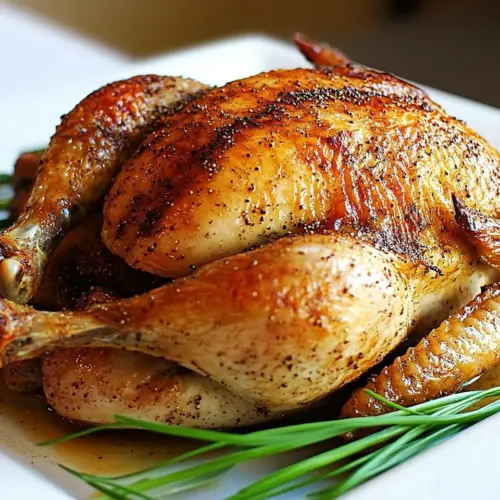
Szechuan Peppercorn Roasted Chicken
Szechuan Peppercorn Roasted Chicken delivers floral, citrusy, and numbing spice layered over crispy skin and juicy meat, making for an easy weeknight dinner or a striking weekend centerpiece. This recipe balances simple technique with bold seasoning to create a memorable roast that is both comforting and adventurous, perfect for cooks who want a standout poultry dish to make again and again.
Equipment
- Roasting Pan
- Kitchen twine
- Instant read thermometer
- Basting Brush
Ingredients
- 1 chicken, organic (I like using a small 3 1/2 pound bird) Rinse and pat dry before roasting to ensure even cooking and to reduce surface bacteria; truss or tuck legs if needed to promote uniform browning and retain juices.
- 1/2 orange Squeeze over the chicken and place the halves inside the cavity to add bright citrus aroma and a subtle acidic note that helps balance the richness of the bird during roasting.
- 2 -3 stalks of scallions, cut into 3" sections Slice and scatter around and inside the chicken to impart a mild allium fragrance and gentle oniony sweetness that complements the citrus and peppercorn flavors while steaming during roast.
- 4 long, thin slices of ginger Smash or tuck slices beneath the skin to release warm, pungent aromatics that penetrate the meat and provide a subtle gingery heat without overpowering the dish.
- 2 tablespoons Sichuan Peppercorn Salt (see below for more details) + more to serve as dipping salt Rub onto the skin and use extra as a dipping salt to deliver numbing, citrusy, and salty Szechuan character that seasons the chicken deeply and enhances texture when crisped.
- 2 tablespoons oil Drizzle over or rub into the skin to promote even browning and crispness, and to carry the peppercorn salt and aromatics for a well-roasted, flavorful finish.
Instructions
- Preheat oven to 400 F set for convection.: As the oven warms, you should smell the faint dry heat of preheating, which helps the skin begin to crisp as soon as the bird hits the rack. Convection promotes even browning by circulating hot air, so the skin will develop a steady, golden color instead of patchy spots. If your oven does not have convection, expect slightly longer cook times and rotate the pan once during cooking for evenness. A common mistake is placing a cold bird into an underheated oven, which causes the skin to stay pale and the cook to be uneven.
- Wash chicken and pat very dry. Tie legs together with kitchen twine, tuck wings in. Generously season chicken inside and out with the Szechuan Peppercorn Flavored Salt. If you look at my photo, I use quite a bit of seasoning, which I think is one of the secrets to delicious tasting roast chicken. The roasting mellows out the salt - so don't be afraid to have a heavy hand in seasoning. Stuff bird with ginger, scallions and orange. Place bird breast-side down in roasting pan. Brush 1 tablespoon oil all over the top of the bird (which is the thigh side).: The skin must be dry to crisp properly, you will notice that any moisture on the surface steams and prevents browning, so thorough patting with paper towels is crucial. Tie the legs with kitchen twine and tuck the wings so the bird cooks evenly and presents nicely after carving. If you skip drying, the skin will remain rubbery rather than crackling, and juices may not caramelize at the surface.
- Roast chicken breast-side down for 30 minutes. Turn breast side up. Brush breast side with oil. Continue roasting until thickest part of thigh reaches temperature of 175 F and breast is 160 F. Generally, this will take another 20 minutes for a 3 1/2 lb bird. If using larger bird, add 7 more minutes for every add'l pound.: When you apply the seasoning, the aroma of the peppercorn salt will be pronounced, but it mellows during roasting into a layered savoriness that elevates the meat. Press the salt into crevices so it adheres and seasons the skin as it roasts. People sometimes under-season the cavity and only season the exterior, which results in less flavored meat; be bold and get both sides.
- Remove from oven and let rest for 10-15 minutes. Carve and serve with more Sichuan Peppercorn Salt on side for dipping.: As the cavity heats, the citrus and aromatics will steam and perfume the interior, keeping the dark meat moist and infusing subtle notes into the breast as well. You will see gentle steam escape from the cavity during roasting, which is a good sign the aromatics are working. Avoid overstuffing, which can prevent even cooking and trap moisture around the cavity, leading to less crisp skin.
- Place bird breast-side down in roasting pan: Starting breast-side down encourages the thigh and back to brown first and helps render fat under the breast, which keeps the breast juicier as it finishes. You should hear a quiet sizzle if the pan is warm, and the surface will already be starting to dry, which is desirable. A trap is starting breast-side up, which can overcook the breast before thighs reach the right temperature.
- Brush 1 tablespoon oil all over the top of the bird (which is the thigh side): A light brush of oil will promote even browning and prevent the skin from drying out in spots. You can see the skin take on a glossy sheen immediately, which is the oil settling into the pores and preparing to crisp. Using too much oil will cause smoking and an uneven finish, so keep it modest.
- Roast chicken breast-side down for 30 minutes: During this phase you will hear a steady sizzle and notice fragrant steam, and the underside will begin to render and brown. This period allows the dark meat to develop deep flavor while the breast stays protected. A common error is opening the oven frequently; every time you open it you lose heat and prolong the roast.
- Turn breast side up: After turning, the breast will be exposed to direct heat and begin to brown. Brush the breast side with oil to kickstart the crisping process and encourage even caramelization. The surface should take on a light golden hue within minutes if the oven is at the correct temperature. If the breast browns too quickly, drop the oven temperature slightly to avoid overcooking the meat before the thigh reaches final temp.
- Continue roasting until thickest part of thigh reaches temperature of 175 F and breast is 160 F: Use an instant read thermometer to track progress; sensory cues like clear juices and a slightly firm thigh are helpful, but the thermometer is definitive. For the 3 1/2 pound bird referenced, expect about twenty more minutes, and add roughly seven minutes per additional pound for larger birds. A frequent mistake is relying solely on time without checking temperature, which can lead to underdone dark meat or dry breast.
- Remove from oven and let rest for 10 to 15 minutes: Resting allows juices to redistribute, so when you carve the meat it will be juicy rather than weeping onto the carving board. You will notice the meat firms slightly and the residual heat evens out the final texture. Cutting too soon causes juices to run out and results in dryer slices, so patience here is rewarded.
- Carve and serve with more Sichuan Peppercorn Salt on side for dipping: As you carve, the skin should give a crisp crack and the meat will glisten with moisture, and offering extra peppercorn salt lets diners adjust seasoning for their palate. Present the pieces on a warm platter so the meat stays at the ideal temperature. A common error is serving straight from a cold surface which cools the meat quickly, diminishing the experience.
Notes
- Season generously The roasting process tames salt and peppercorns, so be confident when applying the Sichuan Peppercorn Salt both inside and out to build deep flavor. Under-seasoning is the most common reason roast chicken tastes flat, so press the seasoning into the skin and cavity for best results.
- Use a thermometer Rely on an instant read thermometer rather than time alone to determine doneness, aiming for 175 F in the thickest part of the thigh and 160 F for the breast to balance safety and juiciness. This prevents dry breast meat and undercooked thighs.
- Adjust times for bird size For birds larger than 3 1/2 pounds, add about seven minutes per additional pound after the initial timed roasting, but confirm with temperature. Oven variability means this rule is a guideline, not absolute.
- Dry the skin well Pat the chicken completely dry before seasoning to ensure crisp skin. If the bird is even slightly damp, the skin will steam rather than brown, leading to less desirable texture.
- Make extra peppercorn salt If you enjoy the flavor, prepare a larger batch of Sichuan Peppercorn Salt to have on hand for serving and future recipes; it stores well and elevates many dishes.