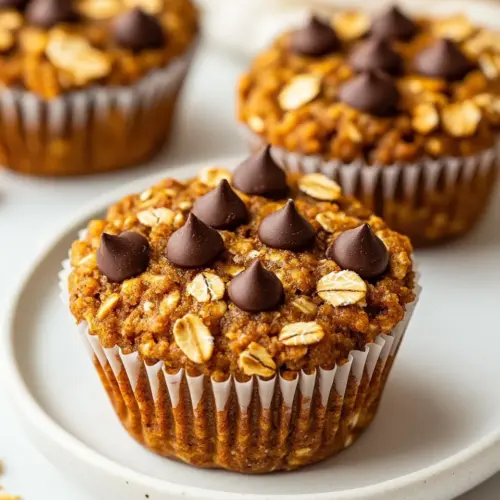
Sweet Potato Oatmeal Muffin Cups
Sweet Potato Oatmeal Muffin Cups are a creamy, cozy breakfast option with chewy oats, warm spices, and natural sweetness from mashed sweet potato and pure maple syrup. These easy, portable muffins are perfect for meal prep or an easy weeknight bake, and they freeze beautifully so you always have a wholesome snack ready to go.
Equipment
- Muffin Tin
Ingredients
- 1 cup mashed sweet potato 1 large potato Mashed and creamy to provide moisture, natural sweetness, and structure to the muffin cups; helps bind dry oats while adding fiber and a soft texture. Use fully cooked, well-mashed sweet potato to ensure even distribution and consistent baking results.
- 1/2 cup unsweetened almond butter Unsweetened and creamy to add healthy fats, richness, and a tender crumb without extra sugar; contributes to moisture and helps hold the muffins together. Choose a smooth almond butter for easy mixing and to impart a subtle nutty flavor.
- 2 eggs Whisked and binding to contribute protein, lift, and structure while helping set the muffin cups as they bake; eggs also aid in leavening and moisture retention. Beat well before adding to ensure even incorporation and a uniform crumb.
- 1/2 cup milk of choice Liquid and balancing to adjust batter consistency, add creaminess, and help hydrate oats for a tender texture; can affect flavor depending on the choice of milk. Use a milk that complements the recipe and mix until combined for proper hydration.
- 1/4 cup pure maple syrup Sweet and natural to provide caramel-like sweetness and moisture while contributing to browning; helps enhance flavor without refined sugar. Pour in gradually and taste the batter to adjust sweetness level as needed.
- 1 tsp pure vanilla extract Fragrant and aromatic to elevate overall flavor with warm vanilla notes and to round out sweetness; a small amount brightens the batter. Use pure extract for the best flavor and add with wet ingredients for even distribution.
- 2 cups quick oats Hearty and bulk-providing to act as the primary dry component offering texture, structure, and chewiness; oats absorb moisture and give the muffins body. Use quick oats for a softer crumb and ensure even mixing for consistent texture.
- 1/2 tsp sea salt Salty and flavor-enhancing to balance sweetness and deepen overall taste while enhancing other seasonings; a small pinch improves flavor complexity. Dissolve into the wet ingredients to ensure even seasoning throughout the batter.
- 1 tsp ground cinnamon Warm and spicy to contribute a cozy, aromatic cinnamon flavor that complements sweet potato and maple; also enhances perceived sweetness. Measure precisely to avoid overpowering the batter and mix with dry ingredients for even distribution.
- 1 tsp ground ginger optional Optional and zesty to add a bright, warming ginger note that balances sweetness and adds complexity to the flavor profile; can be omitted for a milder bake. If using, incorporate with spices so the heat blends evenly into the batter.
- 1/2 to 1 cup chocolate chips optional Optional and indulgent to introduce pockets of chocolate that add richness and contrast to the wholesome muffin base; varying quantities adjust sweetness and texture. Gently fold in to prevent sinking and to distribute chips evenly throughout the cups.
Instructions
- Cook the sweet potato using your preferred cooking method.: When the sweet potato is cooking you will notice its skin darken and the interior soften, releasing a naturally sweet aroma that signals caramelization and concentrated flavor. I like to bake or microwave it for convenience, and you can tell it is done when a fork glides through with almost no resistance. This step is important because a well cooked mashed sweet potato blends smoothly into the batter, avoiding lumps that create uneven texture. A common mistake is undercooking, which leaves fibrous bits, so always test with a fork to ensure tenderness.
- Preheat the oven to 350 degrees Fahrenheit and line a muffin tin with paper liners. If you don’t have muffin liners, spray the holes with cooking spray or grease them with coconut oil.: As the oven warms you will start to feel dry, warm air in the kitchen, and the steady heat ensures even rise and set. Lining the muffin tin or greasing it prevents sticking and helps the muffins release cleanly. If you skip preheating you risk uneven bake times, so always allow the oven to reach the correct temperature before placing the batter inside. An often overlooked error is inserting cold batter into a cold oven, which can lead to dense centers.
- Once the sweet potato is cool enough to handle, mash it and measure out 1 cup.: As you mash, notice the texture becoming creamy and smooth, with a slightly silkier mouthfeel than raw potato. Measuring accurately keeps the wet to dry ratio balanced, which affects the final crumb. If the mash is too watery, blot some excess moisture with a paper towel; if too dry, you can stir in a touch of milk of choice . Avoid overmashing to the point of turning it into a runny puree, which can make the batter too loose.
- Transfer the mashed sweet potato to a large bowl along with the almond butter, eggs, milk, pure maple syrup, and vanilla extract (the wet ingredients). Mix well until everything is combined.: When you stir these together you will see a glossy, unified mixture forming, and the aroma of pure maple syrup and pure vanilla extract will rise. This wet base is crucial because it disperses fat and sugar evenly, ensuring each muffin bakes with consistent moisture. Mix until homogeneous but avoid vigorous beating that can incorporate too much air, leading to tunnels or collapse during baking.
- Add the oats, sea salt, ground cinnamon, and ground ginger to the mixing bowl (the dry ingredients) and mix well until a thick mixture forms. If desired, mix in chocolate chips.: As you fold these in the batter will thicken noticeably, going from pourable to scoopable, with flecks of spice throughout. The quick oats hydrate and bind, lending a pleasantly chewy texture. Mixing just until combined prevents the oats from breaking down and keeps the structure light. Overmixing here is a frequent pitfall, which can make the muffins dense, so stop once there are no dry pockets.
- Pour the sweet potato oatmeal mixture into the muffin cups, filling them most of the way up.: Filling the cups properly ensures an appealing domed top and equal bake time across all muffins. You should see the batter come up close to the rim but not overflow, and it should hold its shape without sagging. If your batter seems thin and pools, check that your quick oats are not old or overly processed. Another mistake to avoid is uneven filling, which results in mismatched sizes and inconsistent doneness.
- Bake on the center rack of the preheated oven for 20-25 minutes, or until the muffins test clean.: During baking you will notice the tops turning golden and the kitchen filling with spice and maple notes. The center will firm up and the edges will pull slightly away from the liners, visual cues that the muffins are setting. Baking on the center rack gives the most even heat exposure; placing them too close to the top or bottom can brown them unevenly. A common error is opening the oven repeatedly, which drops the temperature and may cause the muffins to sink.
- A great way of testing whether or not baked goods are cooked through is by testing the internal temperature with a digital thermometer. To do so, insert a meat thermometer into the center of a muffin and wait until the numbers stop moving. The muffins are fully baked if they are 190 degrees or higher, and the ideal temperature is between 190 and 210 degrees Fahrenheit.: Insert the thermometer into the center and wait until the numbers stabilize, and you will feel confident about doneness when it reads 190 degrees or higher, ideally between 190 and 210 degrees Fahrenheit. This method eliminates guesswork and ensures a moist but fully set crumb. Avoid relying solely on color, as oven variations can mislead you; many people mistakenly assume golden means done when the center may still be underbaked.
- Allow the muffins to cool to room temperature before attempting to peel one to eat. If you try peeling off the muffin papers when the muffins are still warm, you’ll lose much of the muffin to the liner.: Cooling lets the steam redistribute and the crumb finish setting, which makes peeling liners easier and preserves the muffin shape. You will notice the muffins firming slightly as they cool, and the scent of spices will mellow beautifully. Trying to peel while warm often rips the crumb and leaves pieces stuck to the paper, so resist the urge to dig in immediately. If you are impatient, let them cool for at least 15 to 20 minutes to minimize sticking.
Notes
- Reduce sweetness: Use 2 tablespoons less pure maple syrup to make the muffins less dessert like and more breakfast friendly, which will emphasize the natural sweetness of the mashed sweet potato.
- Make them dairy free: Choose a plant based milk of choice like almond or oat milk and ensure your chocolate chips are dairy free if using any, preserving moisture while keeping the recipe suitable for dairy free diets.
- Boost protein: Add a tablespoon more almond butter to each batch to increase satiety and give a slightly firmer texture, which is helpful when you want a more nutritious snack.
- Spice it up: Increase ground cinnamon or add a pinch more ground ginger for a bolder warming profile, perfect for cool weather mornings.
- Mix in texture: Fold in the lower amount of chocolate chips or add seeds to introduce contrast; keep the total add ins under a cup to avoid upsetting the batter balance.