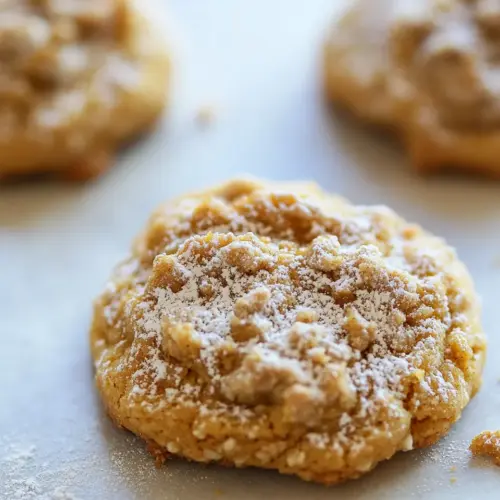
Sweet Potato Cookies with Homemade Streusel
Sweet Potato Cookies with Homemade Streusel are tender, warmly spiced treats with a crumbly streusel crown. These easy to make cookies combine silky mashed sweet potato, cinnamon, nutmeg, and a sweet crunchy topping for an irresistible autumn snack. Perfect for cozy afternoons or holiday spreads, they offer familiar comfort and a reason to bake right away.
Equipment
- Oven
- Baking Sheet
- Parchment Paper
- Mixing Bowl
- Scoop
- Cooling rack
Ingredients
- 1 1/2 cups all purpose flour Provide structure and body to the cookies, creating the bulk of the dough and giving chewiness when properly mixed and not overworked. Combine with leaveners and fats to form the cookie matrix that traps moisture and supports mix-ins. Sift or whisk before measuring to ensure even incorporation.
- 1/2 teaspoon baking powder Lightly aerate the dough and give a gentle lift during baking, helping cookies to rise slightly without becoming cakey. React with acidic components to produce small pockets of gas that improve texture and crumb. Measure carefully to avoid overly puffy results.
- 1/4 teaspoon baking soda React with acids to produce additional lift and help neutralize flavors, contributing to a tender crumb and subtle rise. Use sparingly to prevent soapy or metallic aftertastes, balancing with the baking powder for proper leavening. Ensure even distribution throughout the flour.
- 1 teaspoon cinnamon Warm and aromatic spice that adds classic baked-square flavor, enhancing sweetness and rounding out the overall profile of the cookies. Provides depth and pairs well with sweet potato and brown sugar notes. Adjust intensity to preference but maintain as a core flavor.
- 1/4 teaspoon nutmeg Earthy and slightly sweet spice that adds warmth and complexity, complementing cinnamon and enhancing the autumnal character of the cookies. Use in small amounts to avoid overpowering the other spices. Grate or measure ground forms precisely for consistent flavor.
- 1/8 teaspoon cloves Sharp and pungent spice used in tiny amounts to add depth and a hint of spice complexity without overwhelming the mixture. Contributes to the layered warm spice profile typical of fall desserts. Ensure it is measured carefully due to its potency.
- 1/4 teaspoons salt Enhance overall flavor balance by accentuating sweetness and calming the spices, while also affecting gluten development slightly in minimal quantity. Prevents the cookies from tasting flat and helps bring out other ingredients' nuances. Use the precise measured pinch for best results.
- 3/4 cup granulated sugar Provide sweetness and bulk to the dough, contributing to browning, moisture retention, and overall flavor. Dissolve into the wet ingredients to help create a tender, not overly dense cookie with a pleasant sweetness level. Granulated sugar also affects spread and texture when baked.
- 1 egg Bind the dough together while adding richness and structure, contributing to moisture and a tender crumb. Help emulsify fats and sugars when beaten for even texture and to trap small amounts of air for lift. Use at room temperature for best incorporation.
- 1/2 teaspoon vanilla Add a sweet aromatic note and enhance other flavors through its warm vanilla profile, rounding out the cookie taste. Help mask any raw egginess and contribute subtle complexity when combined with spices and sugar. Use pure vanilla for best flavor.
- 1/4 cup buttermelted Provide fat for tenderness, richness, and moisture, helping create a soft, slightly tender cookie texture when combined with sugars and flour. Aid in browning and flavor development; melted form blends easily into wet ingredients for uniformity. Keep temperature moderate to avoid cooking eggs.
- 1/2 cup mashed sweet potato Contribute natural sweetness, moisture, and a dense, creamy texture along with a characteristic sweet potato flavor that complements warm spices. Add body to the dough and increase tenderness while offering subtle vegetal notes. Mash smoothly to prevent lumps in the batter.
- 2 tablespoons buttermelted Offer additional fat to adjust dough consistency, contributing extra moisture and richness for a softer cookie crumb. Help bind and tenderize when combined with dry ingredients and sugar, ensuring the texture stays moist. Add slowly to reach the right dough firmness.
- 5 tablespoons all purpose flour Thicken and bind the streusel topping, providing a floury base that crisps when baked and contrasts the tender cookie beneath. Combine with butter and sugars to create clumps that brown and add texture. Use measured tablespoons for a balanced topping-to-cookie ratio.
- 3 tablespoons brown sugar Provide deep, molasses-like sweetness and moisture to the streusel, enhancing caramelization and offering a richer flavor than granulated sugar. Help the topping clump and brown attractively during baking while balancing the starchiness of the flour. Pack lightly when measuring to ensure correct sweetness.
- pinch of salt Enhance and balance the streusel's sweetness by rounding flavors and reducing any sharpness, while allowing the topping's components to shine. A tiny amount controls flavor intensity without adding detectable saltiness. Sprinkle sparingly to avoid over-salting delicate flavors.
- pinch of cinnamon Add subtle warmth to the streusel, echoing the cookie spices and tying the topping into the overall flavor profile. Use a very small pinch to avoid overpowering the brown sugar and butter components. Enhances perceived sweetness and complexity in baked toppings.
- powdered sugar for garnish, optional Provide a light decorative finish and gentle sweetness when dusted over finished cookies, adding visual appeal and a delicate contrast to the streusel. Dissolve quickly on the tongue and enhance perceived sweetness without altering texture much. Use just before serving to maintain appearance.
Instructions
- Preheat oven to 350 degrees. Line two baking sheets with parchment paper and set aside.: The room warms with a gentle dry heat that readies the air for proper baking, and parchment lined baking sheets ensure easy release and clean bottoms. You should smell the warmth as the oven reaches temperature, and if you skip preheating you risk uneven rising and a dull final texture. One frequent mistake is placing cookies into an underheated oven which delays setting and causes excess spread, so always confirm the oven hits 350 degrees before sliding the pans in.
- In a large bowl, whisk flour, baking powder, baking soda, cinnamon, nutmeg, cloves, salt, and sugar together to combine. Create a well in the center for the wet ingredients. Crack the egg and measure out the remaining wet ingredients into the well. Stir slowly, incorporating more and more dry ingredients into the wet until just stirred.: As you whisk, the dry ingredients bloom with aroma, especially the spices that release volatile oils and scent the air. Whisking also evens out the leaveners so the rise is uniform, and you will notice a fine, slightly sandy texture when the mix is ready. Avoid clumps of flour or pockets of baking soda which can cause bitter spots, and a common misstep is stirring too vigorously later after adding liquids, which develops gluten and makes the cookies tough.
- Scoop onto prepared baking sheets using a 1 1/2 tablespoon scoop. Wet your fingers and create indents in each cookie, as if you were creating thumbprint cookies. Set aside.: The bowl takes on a crater shape where the wet elements will nest, and this gentle technique helps you incorporate ingredients patiently. The well allows a gradual blending which yields a tender dough and reduces overmixing. For troubleshooting, if the wet ingredients slide out too quickly it means the well is too shallow, so form a deeper indentation. Also resist the urge to dump everything at once as that encourages vigorous mixing and gluten development.
- For the streusel: stir butter, flour, brown sugar, salt and cinnamon together until crumbly. Sprinkle over each cookie, to fill up the indentation.: When you add the egg , vanilla , and buttermelted , you notice a glossy pool that will slowly absorb the surrounding dry mix. The egg brings silk and structure, while the melted fat smooths the mouthfeel. If the melted component is too hot it can cook the egg, so ensure it is warm rather than steaming. A frequent error is using overly warm butter, which can scramble the egg, so cool it slightly before combining.
- Bake 8-10 minutes or until the bottoms are lightly golden and the cookies appear dull and no longer shiny. Cool 5 minutes on the baking sheet before transferring to cooling racks.: As you fold, the dough gradually adopts a cohesive look, slightly sticky but holding form. You want to stop when there are no dry streaks, because overmixing makes the cookies dense. Pay attention to the sound and feel the change from powder to pliant dough; it should not feel rubbery. The common mistake here is persistent mixing to eliminate every bump; that produces tough cookies, so fold minimally for tenderness.
- Sprinkle with powdered sugar and serve. Store in airtight containers at room temperature for up to 3 days.: Each mound should sit like a small soft hill on the parchment, and the scooping rhythm helps ensure uniform bake times. You will see a matte surface and a slight dome forming before baking. If your scoops are uneven your cookies will brown at different rates, so measure consistently. A typical pitfall is packing the scoop too tightly which prevents proper spreading, so release gently for a light mound.
- Wet your fingers and create indents in each cookie, as if you were creating thumbprint cookies: Pressing a shallow depression produces a snug nest for the streusel , visually pleasing and functional so the topping adheres. The dough should resist slightly and spring back, and you will feel a pleasant tackiness as your damp fingertips shape each indent. If you press too deeply the cookie may collapse during baking, and pressing too lightly will cause the streusel to slide off. Keep the indent about one third the cookie depth for balance.
- Set aside: Resting the assembled cookies briefly calms the dough and allows any surface moisture to settle, making the streusel adhere better in the oven. The stillness before baking helps preserve shape and encourages even bake. A common oversight is leaving them in a draft or warm spot which softens the dough unevenly, so set them on a steady countertop instead.
- For the streusel: stir butter, flour, brown sugar, salt and cinnamon together until crumbly : As you blend these small pieces, the mixture will take on a sandy, clumpy texture and emit sweet, toasty notes from the brown sugar. The butter coats the flour particles and creates tiny pockets that crisp in the oven, forming that crave worthy crumble. Overworking the streusel can make it pasty, and an error to avoid is using melted butter; use soft but still solid butter so you get discrete crumbs.
- Sprinkle over each cookie, to fill up the indentation: The streusel should settle into the well and mound lightly, promising a crunchy contrast after baking. You will see small golden clumps and smell warm sugar as it hits the dough, and it helps to press gently so crumbs nestle into the depression. If you heap too much the top can overflow and burn around the edges, so keep a modest amount in each well for the best balance.
- Bake 8 to 10 minutes or until the bottoms are lightly golden and the cookies appear dull and no longer shiny: During baking the kitchen fills with spice and butter aromas, and the visual cue is subtle browning on the cookie bottoms and a matte finish on top. Timing is crucial because a minute too long can crisp the base excessively; remove when edges are set and centers still soft. A common mistake is relying only on a timer rather than visual cues, so check for the telltale dull surface and lightly golden underside.
- Cool 5 minutes on the baking sheet before transferring to cooling racks: This short rest lets the cookies firm slightly so they survive the move to a rack without breaking, and you will notice a shift from floppy to gently resilient as they cool. The residual heat finishes setting the interior, and moving them too soon can cause collapse. People sometimes crowd the cookies while cooling, which traps steam and softens bases, so give each cookie breathing room on the rack.
- Sprinkle with powdered sugar and serve: A light dusting adds a snowy finish and a whisper of extra sweetness, enhancing presentation and making them feel festive. The powdered sugar melts slightly on warm spots, creating delicate highlights. If you apply it too early while cookies are very hot the sugar can dissolve and vanish, so wait until they are just warm to touch.
- Store in airtight containers at room temperature for up to 3 days: Storing this way preserves crumb texture and keeps the streusel crisp for a couple of days, while the interior stays moist from the sweet potato . If you stack them, separate layers with parchment to protect the topping. A common storage mistake is leaving them exposed to air which dries the cookies quickly, so seal them promptly.
Notes
- Swap sweet potato texture: If your mash seems watery, drain on a fine sieve or cook a bit longer before mashing to concentrate flavor and prevent a loose dough.
- Spice intensity: Increase the cinnamon and nutmeg slightly for a bolder autumn profile, but do this in small increments to avoid overpowering the cookie.
- Make-ahead streusel: Prepare the streusel a day in advance and store it chilled, so you can quickly top cookies and bake when guests arrive without extra prep.
- Portion control: Use a 1 tablespoon scoop for smaller cookies that bake a bit faster, and reduce baking time by a minute or two while watching visual cues closely.
- Presentation trick: Dust with powdered sugar just before serving for the best contrast and a fresh, bakery style finish every time.