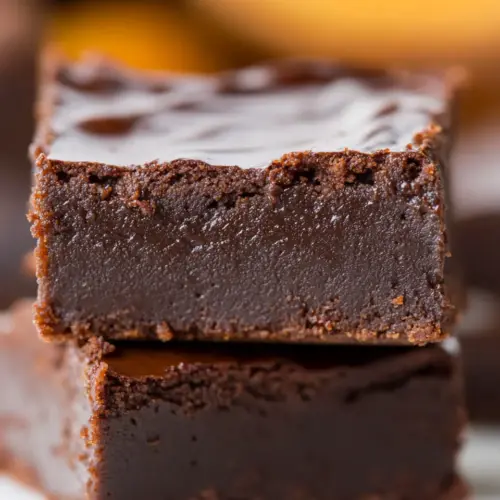
Sweet Potato Brownies
Sweet Potato Brownies are fudgy, chocolate rich bars that stay moist thanks to sweet potato and nut butter. They are an easy, pantry friendly dessert with deep cocoa flavor and a tender crumb, perfect for an easy weeknight dessert or fall baking. Make them when you want something comforting that travels well and pleases a crowd.
Equipment
- 8 inch baking pan
- Parchment Paper
- Mixing Bowl
- Whisk or spatula
- Measuring Cups and Spoons
Ingredients
- 3/4 cups sweet potato puree Adds natural moisture and a subtly sweet, earthy flavor that keeps the brownies dense and fudgy; pureed texture helps bind the batter and reduces the need for excess oil or eggs.
- 1 cup peanut or almond butter, or allergy-friendly sub Provides rich, creamy fat and pronounced nutty taste while acting as a binder and tenderizer for structure; offers protein and can be swapped for allergy-friendly alternatives without altering texture much.
- 1 tsp pure vanilla extract Imparts a warm, aromatic flavor that brightens and balances the richness of chocolate and nuts; helps enhance overall sweetness perception without adding sugar.
- 6 tbsp flour (Oat, white, or spelt flour work. Readers reported success with almond flour) Contributes structure and lightness by absorbing moisture and forming the crumb; choice of flour influences texture—oat and spelt add chew, white keeps them classic, almond makes them slightly denser.
- 1/2 cup mini chocolate chips + more for the top, optional Adds bursts of melty chocolate throughout and optional topping for texture contrast and intensified chocolate flavor; mini size distributes evenly without weighing down the batter.
- 2/3 cups sugar (for sugar free, try these Keto Brownies) Provides primary sweetness to balance bitter cocoa and earthy sweet potato notes; amount can be adjusted or substituted for lower-sugar alternatives to change glycemic impact and final sweetness.
- 6 tbsp cocoa powder Delivers deep chocolate flavor and rich color while contributing slight dryness that the sweet potato and nut butter balance; intensity and unsweetened form control overall chocolate bitterness.
- 1 1/2 tsp baking soda Acts as a leavening agent to create gentle rise and prevent overly dense brownies while reacting with acidic components for tenderness; measured small to preserve fudgy texture.
- 1/8 tsp salt Enhances and balances flavors by cutting sweetness and deepening chocolate notes; small amount helps accentuate other ingredients without making the batter salty.
Instructions
- If using homemade sweet potato puree, see how to make it above. To make the brownies, start by preheating the oven to 325 F. Line an 8-inch pan with parchment, or grease well. If not easily stir-able, gently heat nut butter to soften. Whisk it with the sweet potato and vanilla until smooth. Stir all remaining ingredients together (making sure the salt and baking soda are evenly incorporated), then pour dry into wet. Stir to form a batter. Smooth into the baking pan, scooping out all traces of batter. Use a second sheet of parchment to really smooth everything down. Bake 20 minutes. They should look underdone when you take them out. The brownies firm up as they cool. If for some reason yours are too gooey after cooling, loosely cover and refrigerate a few hours. Frost if desired.: The aroma of roasted sweet potato is warm and slightly caramelized, signaling a deep flavor base; this matters because homemade puree often contains less water and more body, which yields a richer batter. If your puree is too loose, simmer it briefly until it thickens, otherwise the brownies can be overly wet. A common mistake is skipping smoothing or mashing, which leaves fibrous bits that disrupt the fudgy texture.
- To make the brownies start by preheating the oven to 325 F: You may notice the warm air and quiet hum of the oven as it comes to temperature, and an accurate oven ensures even bake and set. Allowing a full preheat means the exterior begins setting immediately, which helps the top form without overbaking the center. Do not under-preheat because inconsistent oven heat causes uneven rise and a gummy center.
- Line an 8-inch pan with parchment or grease well: When you press the parchment into the pan you should feel it conform and see smooth edges, making removal effortless after cooling; this technique prevents sticking and keeps the edges neat. Greasing well alone can work, but parchment is safer for clean slices. Avoid skipping parchment, as the brownies can adhere and break apart when you try to lift them out.
- If not easily stir-able gently heat nut butter to soften: Warm nut butter should smell toasty and feel silky when stirred, which helps it blend seamlessly with the sweet potato . I heat briefly in the microwave in short bursts, stirring between bursts to avoid overheating. A mistake people make is heating too long, changing the oil separation and affecting texture.
- Whisk it with the sweet potato and vanilla until smooth: As you whisk, observe the batter turning glossy and homogeneous with an even chocolate hue once combined with the cocoa; this smoothness indicates proper emulsification and helps prevent pockets of dry flour later. If lumps remain, continue whisking gently until the mixture is uniform. Overwhisking can incorporate too much air, which alters the fudgy result.
- Stir all remaining ingredients together making sure the salt and baking soda are evenly incorporated: When you combine the dry ingredients you should see a uniformly dark powder, with the baking soda and salt dissolved into the mix; this evenness helps the brownies rise and taste balanced. Sifting helps, but thorough stirring also does the job. A common pitfall is uneven distribution, which creates salty pockets or uneven lift.
- Then pour dry into wet: Pouring the dry into the wet should create a denser batter that falls slowly from your spoon, not runny or crumbly; this texture means hydration is balanced and the bars will be moist yet set. Use a folding motion to integrate without encouraged overmixing. A typical error is dumping everything in and aggressively beating, producing a tougher crumb.
- Stir to form a batter: At this stage the batter should be glossy, slightly viscous, and coat the spatula uniformly, giving you visual confirmation of proper mixing; the cocoa aroma will also intensify. Stop stirring when no streaks of flour remain. Overworking the batter is a frequent mistake that tightens the structure and reduces tenderness.
- Smooth into the baking pan scooping out all traces of batter: As you scrape the batter in, you will feel it spread smoothly under the spatula and observe a uniform surface, which helps even baking. For consistent height, level the top carefully, and use a second parchment to press and perfect the top if desired. If you leave pockets of batter or ridges, the brownies may bake unevenly and produce taller peaks and undercooked valleys.
- Use a second sheet of parchment to really smooth everything down: Pressing with a second parchment creates an even, glossy top and ensures neat slices once cooled; it also minimizes air pockets. The gentle pressure evens thickness so the interior bakes uniformly, reducing the chance of gooey spots. Avoid pressing too hard, as that can compact the batter excessively and change texture.
- Bake 20 minutes: You will hear the oven hum and see the top set into a matte finish while edges pull slightly away from the pan, visual cues the bake is progressing properly. The center should still look slightly underdone and glossy, which is perfect because it sets as the brownies cool. Remove them promptly because overbaking dries the crumb, a common mistake when timing is overly generous.
- They should look underdone when you take them out: The surface will have a slight sheen and the middle will jiggle faintly, signs that residual heat will finish the set while preserving fudge like texture; this technique keeps them moist. If you wait for a toothpick to come out completely clean you risk a drier result, so trust the visual cues. A typical error is leaving them in until fully firm, which sacrifices fudginess.
- The brownies firm up as they cool: Cooling transforms a glossy, soft center into a sliceable, dense fudgy bar, and you should notice aromas mellow and intensify as they rest. For clean cuts wait until they reach near room temperature; chilling helps if you need to slice sooner. Cutting too early causes crumbling, that is the most frequent mistake at this stage.
- If for some reason yours are too gooey after cooling loosely cover and refrigerate a few hours: Chilling tightens the structure, making very gooey brownies sliceable and improving clean presentation; you will also see flavors meld and deepen during this rest. Use a loose cover to prevent condensation from making the top sticky. Avoid prolonged refrigeration beyond a day without proper sealing, because the edges can pick up fridge odors.
- Frost if desired: A thin frosting layer will add contrast and visual polish, and when spread the frosting should feel smooth and set to the touch after a short rest; I usually pick a simple glaze so it does not overpower the chocolate sweet potato notes. If you frost while still warm the topping may slide or melt, so wait until cooled. A common mistake is adding thick frosting that masks the delicate balance built into the recipe.
Notes
- Warm nut butter slightly Warm the peanut or almond butter just until stirrable to make blending effortless and to avoid lumps in the batter.
- Use thick sweet potato puree If your sweet potato puree is watery, gently simmer it to thicken so the batter holds together and the brownies are not soggy.
- Do not overmix Stir until combined to avoid developing gluten in the flour, which keeps the brownies tender rather than chewy.
- Trust the underdone look Remove the pan when the center still jiggles slightly, as residual heat finishes the bake, preserving fudginess.
- Sift cocoa if needed Sifting prevents lumps and ensures the chocolate flavor distributes evenly through the batter.
- Chill briefly for neat slices If you need to slice quickly, refrigerate for a couple of hours to firm the brownies for clean cuts.