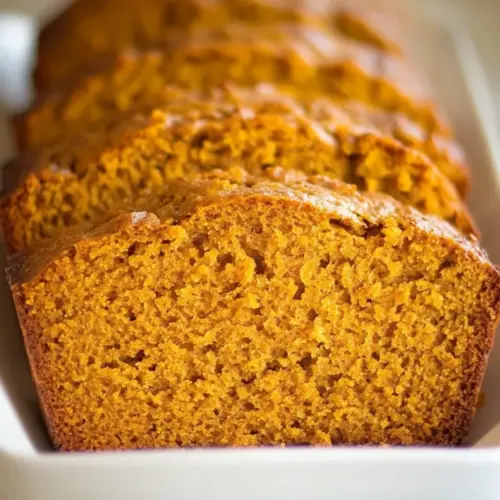
Sweet Potato Bread
Sweet Potato Bread is a tender, warmly spiced loaf with creamy texture and subtle sweetness from grated sweet potato and honey. This easy loaf is perfect for cozy mornings or an easy weeknight breakfast, offering moist crumb and gentle spice that invites seconds. Make it to bring a comforting, seasonal treat to your table.
Equipment
- Loaf pan 5 x 9-inch
- Mixing Bowls
- Whisk
- Grater
- Spatula
- Cooling rack
Ingredients
- 1 1/2 cup flour Combine to form the dry structure of the bread, providing gluten for texture and stability; sift or whisk to remove lumps and ensure even mixing with wet ingredients. Adjust gently to avoid overworking the batter, which can make the loaf tough; acts as the base that carries flavors and leavening.
- 2 teaspoons baking powder Provide lift and aeration by reacting with wet ingredients to produce gas bubbles; distribute evenly through the flour to ensure uniform rising during baking. Also contribute a slight alkaline balance that helps browning and tenderness in quick breads.
- 1 teaspoon cinnamon Impart warm, aromatic flavor and enhance sweetness perception; mix with the dry ingredients to infuse the batter with autumnal spice. Cinnamon also complements the sweet potato and balances richer components like sour cream and oil.
- 1/2 teaspoon baking soda React with acidic ingredients to create additional leavening lift and tender crumb; ensure measured accurately to avoid metallic aftertaste. Baking soda also helps neutralize acidity from sour cream and sweet potato to promote proper rise.
- 1/4 teaspoon salt Balance and enhance other flavors while controlling yeast or chemical reactions; measure precisely to avoid an overly salty taste. Salt strengthens gluten structure slightly and brings out the sweetness and spice in the loaf.
- 1/4 teaspoon nutmeg Add warm, nutty spice notes that pair with cinnamon and sweet potato; grate or measure carefully because nutmeg is potent. Nutmeg deepens overall flavor and gives complexity to the quick bread.
- 1/8 teaspoon cloves Provide a sharp, aromatic spice accent in very small amounts to avoid overpowering the loaf; blend with other spices in the dry mix. Cloves add depth and a subtle savory edge that complements nutmeg and cinnamon.
- 1/2 cup sour cream Contribute moisture, fat, and slight tang that tenderize the crumb and react with baking soda for rise; fold gently into dry ingredients to prevent curdling. Sour cream also adds richness and prolongs freshness of the bread.
- 1/2 cup sugar Supply bulk sweetness and help with caramelization and crumb structure; cream with wet ingredients to dissolve and integrate evenly. Granulated sugar also aids in moisture retention and contributes to browning during baking.
- 1/4 cup honey Provide natural sweetness and moisture with a floral note; blend with sugar and wet ingredients to achieve balanced sweetness. Honey also helps retain moisture and lends a tender, slightly dense crumb.
- 1/4 cup canola oil Add fat for moistness, tenderness, and a soft mouthfeel while aiding in heat transfer during baking; whisk into wet ingredients until homogenous. Canola oil contributes a neutral flavor and keeps the loaf moist for several days.
- 2 eggs Bind ingredients together, add structure and richness, and incorporate air when beaten lightly; whisk eggs with other wet components before combining with dry ingredients. Eggs also help with leavening, color, and protein structure in the bread.
- 3/4 cup peeled, then finely grated sweet potato Provide natural moisture, sweetness, and body while contributing to the loaf's color and texture; grate finely to distribute evenly throughout the batter. Sweet potato puree-like pieces lend density and caramelized flavor when baked.
Instructions
- Preheat oven to 350º. Grease a 5 x 9-inch loaf pan with Baker's Joy (or butter then flour). I also line the bottom of the pan with a rectangle of parchment. Set aside.: The kitchen fills with a faint warm scent as the oven reaches temperature, and a stable heat is essential so the loaf rises evenly from the moment it goes in. You'll notice that preheating ensures the top begins to set right away, which helps retain lift. A common mistake is putting the batter into a cold oven, which can cause a flat, dense center. Watch for the oven display to show the complete temperature before placing the pan inside, and ensure racks are positioned in the center for balanced heat circulation.
- Combine all dry ingredients and whisk to break up any lumps. Set aside.: Rubbing the pan with fat and a light dusting of flour creates a delicate barrier so the loaf releases cleanly, and lining the bottom with parchment ensures an intact base. The slight crackle as the parchment settles is a small, satisfying detail. If you skip this step, the loaf can stick and tear when you remove it. Make sure the grease reaches the corners, and press the parchment into the pan so it does not shift during baking.
- Mix together the sour cream, sugar, honey, and oil.: Giving the prepared pan a place to rest keeps your workspace organized and prevents rushed steps later. This pause is a chance to check that your preheat is complete and tools are ready, which is especially helpful when juggling multiple bowls. A rushed set up can lead to missed ingredients or uneven mixing, so breathe, and confirm everything is staged properly.
- Add eggs and mix till combined. Mix in sweet potato.: Whisking flour , baking powder , baking soda , salt , and spices together distributes the leaveners and spices evenly, preventing pockets of flavor or uneven rise. You'll see a uniform, slightly fragrant mixture and this step helps aerate the dry base. A common error is insufficient whisking, which can yield uneven texture. Use a whisk that fits your bowl and mix until the color and texture are consistent.
- Add dry ingredients and mix with a spoon till just moistened. Pour into loaf pan.: Letting the dry mix rest keeps the workflow smooth and allows you to focus on the wet components, which is crucial for timing sensitive chemical reactions between acid and base. This small pause reduces the risk of overmixing later. If you rush and add wet ingredients too quickly, the leavening may not activate uniformly, resulting in uneven crumb.
- Bake for 25 minutes, then reduce oven temperature to 325º and bake for 20 minutes or until a toothpick inserted in the center comes out clean.: The bowl will look glossy and slightly thick as the sour cream emulsifies with oil and honey . The sugar begins to dissolve into the mixture, creating a smooth, cohesive base that helps the batter hold moisture. You should be able to swipe the bowl and see a ribbon of batter before you add the eggs. A frequent misstep is using cold dairy, which can cause small lumps; bring ingredients to room temperature for a silkier texture.
- Cool for 5-10 minutes, then remove from pan to cooling rack. Cool completely before slicing (if you can wait!).: As you add the eggs , the mixture becomes lighter and more cohesive, with tiny air bubbles forming at the surface. This aeration contributes to the loaf's structure, and gentle mixing ensures you do not overdevelop the gluten in the next stage. Overbeating here can lead to a tighter crumb, so stop as soon as the eggs are integrated.
- Mix in sweet potato: Folding in the finely grated sweet potato adds flecks of vivid orange and a moist texture that you can almost feel when you stir. The batter thickens and takes on a slightly earthy sweetness, which balances the spices. If the gratings are too large, they can create pockets that affect even baking, so aim for fine grating. A common issue is not draining very wet sweet potato; if yours is excessively wet, press gently with a towel to remove extra liquid to avoid a soggy center.
- Add dry ingredients and mix with a spoon till just moistened: At this stage, the batter should look streaky at first, then come together into a uniform, thick mixture. Stirring with a spoon prevents overworking the flour , which preserves tenderness. You want to stop as soon as there are no visible streaks of dry mix, because continuing will develop gluten and make the loaf dense. If you see signs of overmixing, such as a tough, elastic batter, you can gently fold in a tablespoon of additional sour cream to restore moisture.
- Pour into loaf pan: Hearing the batter settle into the pan is a small sensory reward, and the surface should be relatively smooth with no big air pockets. Tapping the pan gently on the counter helps release trapped air for an even crumb. Avoid shaking the pan aggressively, which can cause the batter to slump. If the batter is uneven, a quick, gentle shake and a spatula swipe across the top will tidy the surface for even browning.
- Bake for 25 minutes, then reduce oven temperature to 325º and bake for 20 minutes or until a toothpick inserted in the center comes out clean: The loaf will begin to rise and the top will set in the first phase, then slowing the temperature lets the center finish cooking without overbrowning the crust. You should notice the edges pulling slightly from the pan and the top turning a warm golden brown. The toothpick test ensures the interior is done; if it comes out with a few moist crumbs, that is ideal. A common mistake is maintaining too high a temperature for the whole bake, which can give a dry edge and undercooked center, so follow the two stage bake carefully.
- Cool for 5 to 10 minutes, then remove from pan to cooling rack: The loaf will relax and settle during this short rest, and you might see a thin wisp of steam when you slice into it later. Removing the bread promptly helps prevent soggy sides from trapped steam. If you wait too long to remove it, condensation can form and the crust will lose its texture. Use the parchment sling to lift the loaf and place it on a rack for even cooling.
- Cool completely before slicing (if you can wait): Cooling allows the crumb to set fully, so slices are neat and the texture is perfected. Patience here pays off because cutting too early can compress the loaf and create gummy slices. If you must serve warm, slice gently with a serrated knife and expect a slightly softer crumb. I always promise myself I will wait, and then sometimes I do not, but the best texture comes after a full cool down.
Notes
- Swap for yogurt: If you do not have sour cream, plain full fat yogurt can stand in at equal measure, offering similar tang and moisture without changing structure.
- Honey balance: If you prefer slightly less sweetness, reduce the honey by a tablespoon, but keep some to retain moisture and tenderness in the crumb.
- Oil alternatives: Neutral oils like canola oil maintain a mild profile; if you use olive oil, choose a light one to avoid shifting the flavor too far from the original.
- Freshly grate the sweet potato: Use the fine side of the grater for best integration; coarser pieces can cause uneven pockets and longer baking times.
- Check oven accuracy: An oven thermometer helps confirm the displayed temperature matches the actual heat, which is critical for the two stage bake to work properly.
- Storing the loaf: Wrap cooled slices tightly and store at room temperature for up to two days, or refrigerate for longer keeping, and bring to room temperature before serving for best texture.