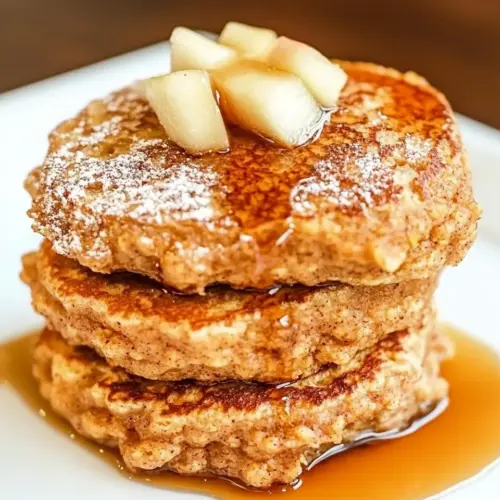
Sweet Potato Apple Pancakes
Sweet Potato Apple Pancakes are tender, slightly sweet, and full of cozy spice. These pancakes combine creamy sweet potato, ground rolled oats, and diced apple for a wholesome, easy breakfast that feels indulgent. Perfect for an easy weeknight breakfast or relaxed weekend brunch, they offer a balanced texture and comforting flavor that make them worth trying.
Equipment
- Microwave safe dish
- Food Processor
- Griddle or skillet
- Spatula
Ingredients
- 1 medium sweet potato around 11 ounces/300 grams Mashed and cooked to provide natural sweetness, moisture, and a creamy base that binds the batter while supplying beta-carotene and fiber for nutrition.
- 1 cup rolled oats Ground or blended into flour-like texture to add whole-grain body, structure, and chewiness while contributing fiber and complex carbohydrates for sustained energy.
- 1 teaspoon stevia or sweetener of choice to taste Added sparingly to enhance overall sweetness without extra calories, balancing flavors and allowing control over sugar content in the pancakes.
- 1 teaspoon ground cinnamon Sprinkled in to impart warm, aromatic spice that complements the sweet potato and apple, enhancing perceived sweetness and depth of flavor.
- 1/2 teaspoon baking powder Folded in to introduce a light leavening effect that helps create slightly taller, fluffier pancakes by releasing gases when heated.
- 1/8 teaspoon salt Included in small amount to control overall saltiness, enhance other flavors, and balance sweetness without being detectable as a separate flavor.
- 3/4 cup unsweetened vanilla almond milk Poured in to adjust batter consistency and provide a subtle vanilla note, contributing moisture and helping to hydrate oats for a tender texture.
- 2 large egg whites Beaten and incorporated to supply protein, structure, and additional leavening through coagulation, resulting in firmer pancakes and improved rise.
- 1 teaspoon vanilla extract Stirred into the batter for aromatic sweetness and depth, complementing the spices and fruits while rounding out the flavor profile.
- 1 small apple cored and diced Folded in to add fresh, crisp texture and bursts of sweet-tart flavor that contrast the soft pancake; also contributes natural moisture and fiber.
Instructions
- Peel the sweet potato and cook in the microwave until soft, about 5 minutes on high power.: The aroma of warm cooked sweet potato is earthy and slightly sweet, and when it is done you will be able to pierce it easily with a fork and mash it smoothly. Cook in a microwave safe dish with a little water to trap steam, and cover loosely so steam escapes but moisture stays in. If the potato still resists the fork, continue microwaving in 1 minute bursts to avoid drying it out. A common mistake is undercooking, which leaves firm bits that refuse to blend; fully softening the tuber gives you a silky puree that integrates seamlessly into the batter.
- While the potato cooks, combine the oats, stevia, cinnamon, baking powder, and salt in a food processor. Process until the oats have turned into the consistency of flour and everything is well mixed.: When you pulse the rolled oats to a flour like texture, you will notice the mixture loses its coarse look and becomes more powdery, with the specks of cinnamon distributed evenly. The scent will lift, and you should be able to sift it through your fingers with no large pieces. If you overprocess, the oats can release too much oil and become pasty, so work in short bursts and scrape the bowl as needed. One trap is leaving large oat bits that lead to uneven texture; aim for a uniform crumb so the batter holds together.
- Heat a greased griddle or pan over medium-high heat.: As the pan warms, you will hear a faint sizzle when you flick a few drops of water on the surface, and the metal will take on a dry shimmer. Use a light coating of oil or nonstick spray to prevent sticking, and give the pan at least 3 to 4 minutes to come to temperature so pancakes form a good crust. If the pan is too cool, the pancakes spread and become dense; too hot and the outsides brown before the middle cooks. Adjust the flame so the pan holds an even heat that yields a steady, gentle sizzle when batter meets the surface.
- Once the potato is cooked through, add it to the food processor along with the almond milk, egg whites, and vanilla. Process until well combined and a batter is formed.: As the ingredients whirl together, you will see the batter transform into a smooth, slightly thick consistency that holds when spooned. The scent of warm vanilla and cinnamon will become more pronounced. The texture should neither be runny nor rock hard; aim for something that falls slowly off a spoon. If it seems grainy, pulse a little longer; if it is too thin, let it rest to allow the oats to hydrate. Avoid overprocessing the egg whites into foam, which can create air pockets that collapse while cooking.
- Stir in the diced apple.: Folding the diced apple by hand preserves its integrity, so you will still notice bright pieces within the batter. The fruit adds moisture and a slight tartness that contrasts with the mellow sweet potato . If you cut the pieces too large they can create soggy centers, so keep them small to medium for even distribution. A frequent mistake is mixing the fruit too early and letting it sit, which softens the pieces and yields less textural contrast when cooked.
- Drop the batter by 1/4-cup portions onto the hot griddle. Adjust the heat so the pancakes cook slowly, ensuring the middles cook as the outsides brown. Cook until golden brown on both sides, 5 to 7 minutes a side, flipping once.: When the batter hits the griddle you should hear a steady, gentle hiss and see the edges set up within a minute or two, forming a pale rim. Watch for bubbles forming in the center and the underside turning a deep golden brown before flipping. Use a thin spatula to lift gently; if the pancake resists, give it a bit more time. Cooking slowly ensures the interior steams through without the exterior burning. A common pitfall is rushing the flip, which yields raw middles and overly dark crusts; patience here gives you a tender, evenly cooked pancake.
Notes
- Swap the milk Use a different unsweetened plant milk for a subtle change in flavor and creaminess, which can slightly affect batter thickness and flavor notes.
- Sweetener options Replace stevia with maple syrup or honey if you prefer a natural liquid sweetener, but reduce other liquids slightly to keep the batter consistent.
- Apple texture Grate the apple instead of dicing for a softer, more uniform fruit distribution, which makes the pancakes more cohesive and slightly moister.
- Spice boost Add a pinch of nutmeg or cardamom along with the cinnamon to create a warmer, spicier profile that pairs well with the sweet potato.
- Double batch for meal prep Cook extra pancakes and cool completely before freezing between layers, so you can reheat a few for quick breakfasts during the week.
- Adjust egg whites For a firmer texture, use one whole egg instead of two egg whites, which increases richness and binding without changing the core flavors.
- Oat texture For a heartier bite, leave some oats slightly coarser when processing, giving you small chewy pockets within each pancake.
- Vanilla note Increase the vanilla extract slightly for a more pronounced dessert like aroma, perfect if you plan to serve with a drizzle of syrup.
- Timing tip Let the batter rest 10 minutes after mixing so the rolled oats hydrate fully, resulting in a smoother finished texture.
- Serving temperature Keep pancakes warm in a single layer on a baking sheet in a 200 degree oven while you finish the batch, preserving texture without steaming them.