Sugar Free Keto Low Carb Granola Bars Recipe
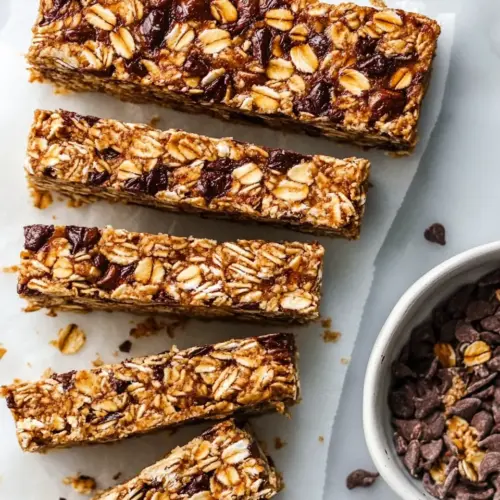
Sugar Free Keto Low Carb Granola Bars Recipe is a crispy yet chewy snack that combines toasted almonds and coconut with a low carb sweetener for an easy grab and go treat. These bars are rich in crunchy texture, subtly sweet, and perfect for an easy weeknight prep or make ahead snack to keep you satisfied all day. Make them for busy mornings or a healthy pantry stash.
Equipment
- Oven
- 8×8-inch pan
- Parchment Paper
- Baking Sheet
- Wire Rack
- Large Bowl
- Microwave-safe Bowl
- Spatula
- Sharp Knife
Ingredients
- 1 cup raw almonds chopped Provide crunchy texture and hearty nutty flavor while contributing healthy fats and protein; chopped form helps distribute almonds evenly throughout the bars for consistent bite and mouthfeel.
- 1 cup slivered almonds Add delicate crunch and visual contrast with a milder almond flavor; slivered shape creates lighter texture pockets and boosts overall nut content for satiety.
- 1 cup unsweetened coconut flakes tightly packed (65 g) Offer chewy coconut texture and natural sweetness while supplying fiber and medium-chain triglycerides; tightly packed measurement ensures accurate coconut quantity for proper binding and consistency.
- 1 large egg Bind ingredients together as the primary egg protein and moisture source while promoting browning during baking; large size ensures predictable structure and helps the bars hold their shape.
- 4 tablespoons monk fruit sweetener Provide bulk sweetness without sugar, contributing maply-like caramel notes depending on brand while keeping the recipe keto-friendly; measured tablespoons allow careful control over overall sweetness level.
- 2 tablespoons almond butter Supply rich, nutty creaminess and act as an additional binder to help the mixture cohere; almond butter also adds healthy monounsaturated fats and depth of flavor.
- 1 tablespoon coconut oil Contribute melting fat to enhance mouthfeel and help ingredients meld together; coconut oil also aids in setting the bars as they cool and adds subtle coconut aroma.
- 3/4 teaspoons ea salt Enhance and balance flavors by reducing bitterness and amplifying sweetness while stabilizing overall taste profile; precise teaspoon amount prevents over-salting in the relatively delicate keto mixture.
- 1/4 cup stevia-sweetened chocolate chips (or dairy-free) Introduce chocolate flavor and small pockets of sweetness while remaining low-carb; stevia-sweetened chips provide chocolate bursts without adding sugar and can be dairy-free for lactose-sensitive diets.
Instructions
- Preheat your oven to 375 degrees Fahrenheit and line an 8×8-inch pan with parchment paper, leaving some hanging over the sides.: As you preheat, notice the warm, dry heat filling the oven cavity, which sets the stage for proper toasting. Lining the pan with parchment that overhangs makes it easy to lift the set slab out after baking, avoiding forced prying that can crumble the edges. If the parchment is wrinkled, smooth it out to ensure even pressing later. A common mistake is skipping the overhang, which makes extraction fiddly and increases the chance of breakage when you slice the bars.
- Place the chopped almonds, slivered almonds, and coconut flakes on 3 separate small baking sheets. Bake until golden brown and toasted. The coconut will only take 2-4 minutes, the slivered almonds about 3-5 minutes, and the chopped almonds about 7-12 minutes. Allow to cool completely. Reduce the oven temperature to 350 degrees Fahrenheit.: The separate toasting lets each component reach its ideal color and aroma, so the coconut crisps without burning while the larger chopped almonds reach a deeper roast. Listen for the faint popping and the shift to a nutty scent that signals readiness. As they cool they firm up and the flavors deepen, so resist the urge to mix them warm which can create steam and sogginess. A typical error is crowding the sheet pans, which leads to uneven browning; spread items in a single layer for consistent results.
- In a large bowl, whisk together the egg and monk fruit.: Whisking until slightly frothy distributes the monk fruit sweetener and incorporates air, which contributes to an even binder. The mixture should look homogenous and slightly glossy, without granules settling at the bottom. If the sweetener seems grainy, let it sit a minute for dissolution or whisk a bit longer. Avoid adding cold melted fats directly, as temperature shock can cause separation; bring melted ingredients to warm before combining.
- In a separate small, microwave-safe bowl, melt the almond butter and coconut oil until smooth, about 30 seconds. Whisk into the egg mixture until well combined.: The melted almond butter and coconut oil should become shiny and pourable, releasing a warm nutty scent. Whisking them into the egg creates a cohesive binder that will coat the toasted pieces evenly. If you overheat, the mixture can become too thin and split when mixed; microwave in short bursts and stir between intervals. A frequent mishap is leaving large unmelted almond butter chunks, which leads to uneven binding, so stir until fully smooth.
- Add in all the nuts, coconut, and salt, and stir until well combined. Finally, stir in the chocolate chips.: When you combine the toasted raw almonds , slivered almonds , and unsweetened coconut flakes with the binder, observe how the shiny coating clings to the toasted surfaces creating a glossy, slightly tacky mixture. The salt brightens flavors and the stevia sweetened chocolate chips introduce pockets of sweetness. Mix gently but thoroughly so every piece is coated; if you overmix, you can crush the nuts and lose texture, so stop when uniform distribution is achieved. A common mistake is adding chocolate chips while the mixture is very hot, which melts them and changes their texture.
- Press very firmly into the prepared pan. Put some muscle into! You need to pack these in so they hold together.: Using the back of a spatula or the base of a measuring cup, press the mixture with firm, even pressure until it forms a compact slab. The tactile feedback is important you should feel resistance and see the surface smooth out as oils come to the surface slightly. Firm pressing reduces crumbling after baking and creates clean slices. If you press lightly the bars may fall apart; conversely pressing too thinly yields overly dense bars. Wipe the edges for a neat finish before baking.
- Bake until the top just feels set, about 15 minutes. Place the pan on a wire rack and allow to cool completely.: Watch the top for the moment it matts over and stops looking wet, and smell for a deepening nutty aroma; these cues indicate it is set. The oven's gentle heat finishes the binding and removes residual moisture so the bars slice cleanly after cooling. Transfer to a wire rack to cool evenly and avoid bottom condensation. Cutting while warm often leads to crumbling, so patience here pays off. A typical blunder is baking too long which can over crisp the edges and create a dry texture.
- Once cool, slice and DEVOUR!: After complete cooling the slab will firm up and the bars will hold their shape when sliced. Use a sharp knife and a confident sawing motion for clean edges, wiping the blade between cuts if chocolate has softened. You will notice layered textures the crisp coconut the crunchy almonds and the soft pockets of chocolate. Store sliced bars in an airtight container in the fridge to maintain firmness. Rushing this final step by cutting warm bars often results in shards and crumble which is frustrating when you want neat portions.
Notes
- Swap sweeteners carefully If you prefer another zero carb sweetener match the sweetness level to the 4 tablespoons of monk fruit instead of assuming equal volume which can lead to overly sweet or flat bars.
- Use toasted nuts for deeper flavor Toasting nuts separately gives a layered aroma, but avoid burning by checking early; burnt nuts will impart a bitter note that cannot be rescued.
- Press with a flat weight Place a second baking sheet or a cutting board on top and press to compact the mixture evenly, ensuring consistent density throughout the slab.
- Swap the chocolate chips Use stevia sweetened or dairy free chips as listed to remain sugar free, and add them at the end so they keep shape and provide little melty pockets.
- Make bars thinner or thicker For chewier bars press into a smaller pan to increase thickness, or spread into a larger pan for thinner, crispier bars; adjust bake time slightly to account for slab depth.