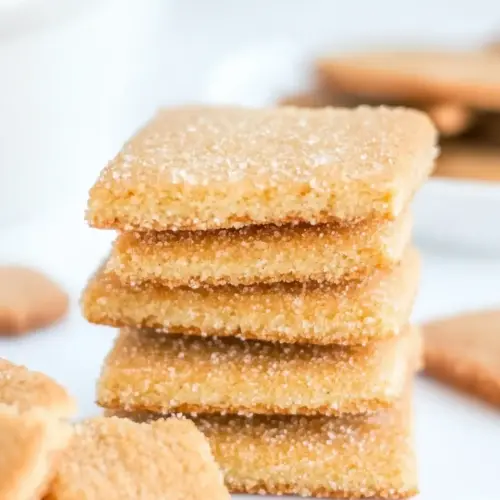
Sugar Free Keto Ginger Snaps
Sugar Free Keto Ginger Snaps are crispy, spiced cookies that deliver bold ginger and warm nutmeg without sugar. Lightly sweetened with golden erythritol and tenderized with almond flour, they offer a crunchy snap and buttery finish, perfect for easy weeknight baking or holiday cookie swaps. Try them for a low carb treat that satisfies cookie cravings while staying guilt free.
Equipment
- Electric Mixer
- Parchment Paper
- Rolling Pin
- Cookie cutters
- Baking Tray
- Spatula
Ingredients
- 2 cup s /200g almond flour Provide a low-carb, nutty base and structure for the cookies; almond flour creates a tender crumb and helps mimic wheat flour in keto baking, absorbing moisture and contributing to a slightly crumbly texture that browns nicely when baked.
- 1/3 cup 60g Lakanto Golden or granulated erythritol Add sweetness without sugar and keep the recipe keto-friendly; Lakanto Golden or granulated erythritol provides bulk and caramel-like notes that balance spices while contributing to cookie spread and slight crunch on the surface.
- 2 1/2 teaspoon ground ginger Deliver warm, spicy ginger flavor and signature snap character; ground ginger brightens the cookie with zesty heat and aroma while enhancing other spices and giving the recipe its classic ginger snap identity.
- 1/2 teaspoon ground nutmeg Supply warm, sweet-earthy flavor that complements ginger; ground nutmeg adds depth and a subtle creamy spice note that rounds out the cookie’s spice profile without overpowering the other aromatics.
- 1/8 teaspoon ground cloves Contribute concentrated warm, slightly bitter spice accents; ground cloves intensify the overall spice blend with aromatic sharpness, helping to create complexity in each bite despite being used in a small amount.
- 1/3 cup 80g butter softened Provide fat, moisture, and rich flavor while aiding texture; softened butter helps create a tender, slightly crisp cookie exterior through creaming with the sweetener and promotes proper spreading and browning during baking.
- 1 egg white beaten Bind ingredients and add lift while creating a crisper exterior; beaten egg white acts as a light binder that adds structure without extra fat, helping cookies hold shape and develop a glossy, slightly firm surface when baked.
Instructions
- Combine the dry ingredients - almond flour, Lakanto golden (or another "brown sugar" erythritol) and the spices.: As you stir together the almond flour , Lakanto Golden or granulated erythritol, and the spices, inhale the warm, peppery perfume of ginger, nutmeg, and cloves mingling with the faintly sweet, toasty scent of almond flour. This stage is where your cookie's flavor profile is set, so whisking until evenly distributed ensures every bite is balanced. If you notice clumps of flour or sweetener, sift them or press them through a fine mesh to avoid pockets that bake unevenly. A common misstep is rushing and leaving spices uneven, which yields inconsistent bites.
- Add the soft butter and blend with an electric mixer until the mix resembles crumbles.: You'll feel the texture change under the beaters as the butter incorporates, going from dry powder to coarse crumbs that hold together slightly when pressed. The sound shifts too, from a dry rattle to a softer, steadier whir. This crumbly texture matters because it tells you the fat is dispersed without overworking the mixture. If the butter warms too much and the mixture becomes greasy, pop the bowl into the fridge for a short rest, otherwise the dough will spread too much while baking. Avoid over mixing here, which can make the dough tough or overly soft.
- Beat the egg white until stiff and blend into the dough until just combined.: Watch the egg white transform into glossy peaks, a visual cue that it is aerated and ready. Folding this into the crumbly mix should introduce a lightness that gives the cookies lift without adding moisture that makes them cakey. The gentle folding motion should be just enough to unify the mixture; stop when streaks of white disappear. If you beat the whites too far into dryness, they will be hard to incorporate, and if you fold too aggressively you will deflate the lift. A typical blunder here is over stirring, which results in denser cookies.
- Roll out the dough between 2 sheets of parchment paper and cool in the freezer for 10 minutes or in the fridge for 20 minutes.: As you roll, the dough will spread evenly between the papers, and you can feel its pliability under the rolling pin. Chilling firms the fats so the cookies keep crisp edges and don’t distort when cut. The cold also concentrates the scent of spices, making the dough smell more intense. If the dough softens while working, a quick chill restores handleability. Cutting warm dough is a common mistake and leads to misshapen cookies.
- Preheat the oven to 180 Celsius / 350 Fahrenheit.: When the oven reaches temperature, you may notice a faint toasty smell as it stabilizes, which primes the environment for even baking. A properly preheated oven ensures the cookies set at the right rate, creating crisp edges and a tender interior. If you place cookies into an oven that is not up to temperature, they can spread too much and bake unevenly. An oven thermometer helps prevent this misstep.
- Lift off the top parchment and cut out shapes using cookie cutters.: After removing the top sheet, press cookie cutters firmly to get clean edges; you should hear a slight release as the cutters pass through the dough. The visual cue is smooth, unmottled cookie surfaces ready for transfer. If the dough tears, re chill it briefly rather than forcing cuts, because stretching will ruin the shape. A frequent error is using cutters that are too detailed for a delicate dough, which makes removal difficult.
- Using a knife or a spatula, transfer cookies onto a lined baking tray.: When moving cookies, slide a thin spatula under each shape, lifting gently to preserve edges. The dough should feel cool and slightly firm under your fingers; if it’s too soft the shapes will slump on the tray. Arrange cookies with space to allow hot air to circulate and promote even browning. Crowding the tray can cause cookies to bake into one another, which is a common oversight.
- Bake for 8-10 minutes until the edges are browned. Let cool completely before handling.: In the oven you will hear a faint settling and smell the spices deepen as the heat intensifies caramelization at the edges. Look for light golden edges and a set center that still feels slightly tender, because the cookies will firm up as they cool. Let them rest fully on the tray for a few minutes, then transfer to a rack to cool completely; touching them while hot risks breakage since almond flour cookies are fragile when warm. A typical mistake is removing them too soon and losing their crisp finish.
Notes
- Measure precisely: Weighing almond flour prevents dense or greasy dough and keeps cookies consistent.
- Keep butter cool: Softened but not melted butter creates the crumbly texture that yields crisp edges after baking.
- Chill the dough: A brief freeze makes cutting shapes cleaner and stops spreading in the oven.
- Work quickly when cutting: Warm hands can soften the dough, so use a bench scraper or chilled spatula to transfer cut shapes.
- Watch the oven: Check at the lower end of the bake time to avoid overbrowning, since erythritol can darken faster than sugar.
- Cool completely: Let cookies firm up off the tray to reach the desired crispness; handling while warm leads to breakage.