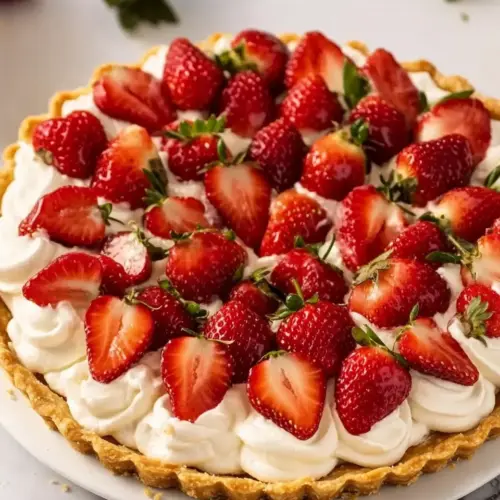
Strawberry Tart
Strawberry Tart is a creamy, crisp, and easy dessert that highlights fresh seasonal fruit. A buttery crust holds a smooth cream cheese filling crowned with glossy strawberries, creating a balance of texture and bright flavor perfect for spring gatherings or an easy weeknight dessert. Make it to impress without stress, and enjoy why this tart keeps guests coming back for more.
Equipment
- Mixing bowl set
- KitchenAid 9-Speed Digital Hand Mixer
Ingredients
- 6 tablespoons unsalted butter room temperature Soften and cream to provide a tender, flaky crust by incorporating fat into the dough; ensure room temperature for even mixing and proper texture development during baking.
- 1/4 cup granulated sugar Sweeten and balance the crust flavors while helping to tenderize the dough; measure precisely to avoid overly soft crust structure.
- 1 large egg yolk Enrich and bind the crust with fat and flavor, promoting a richer mouthfeel and cohesive dough that holds its shape when rolled and baked.
- 1/4 teaspoons salt Season and enhance overall flavor balance in the crust; a small amount prevents dullness and highlights the butter and lemon notes.
- 2 teaspoons lemon zest Brighten and add citrus fragrance to the crust, cutting richness and providing a fresh aromatic contrast to sweet components.
- 1 cup all-purpose flour OR 1-to-1 gluten-free baking mix for a gluten-free version Provide structure and bulk to the crust by forming gluten (or a gluten-free alternative) and creating the foundational texture for the tart shell.
- 16 ounces cream cheese room temperature Soften and create a creamy filling base by bringing to room temperature for smooth blending; adds richness and tang that complements the fruit.
- 1/2 cup granulated sugar Sweeten and balance the cream cheese filling while controlling texture and firmness; dissolve fully for a smooth, stable filling consistency.
- 1 teaspoon pure vanilla extract Add warm, aromatic vanilla flavor to the filling, rounding out sweetness and enhancing the overall depth of taste.
- pinch of salt Season and amplify other flavors in the filling; a small pinch helps balance sweetness and prevents a flat-tasting cream.
- 1 1/2 pounds small strawberries Provide fresh, juicy fruit topping and bright color; select ripe, small berries for uniformity and better arrangement on the tart surface.
- 2 tablespoons strawberry jam warmed Glaze and add shine to the finished tart while lightly sweetening the fruit; warming makes it easy to brush evenly for an attractive presentation.
Instructions
- Get out a 9″ tart pan with a removable bottom.: The kitchen smells calm and anticipation grows when you assemble your tools. A tart pan with a removable bottom helps you unmold the finished tart cleanly, preserving the pretty edge of the crust. You want a stable pan so the crust presses firmly and evenly, ensuring uniform baking. A common mistake is using a pan that is too large, which will make the crust too thin and prone to overbrowning, so check that your pan is the right size before you start.
- Beat the butter and sugar at medium speed using an electric hand mixer or stand mixer. Once smooth and well combined, add the egg yolk and beat for about a minute or until very well combined.: At this stage you’ll hear the mixer hum and watch the mixture go from chunky to smooth and glossy. The creaming action incorporates tiny air pockets that contribute to a tender crust, and adding the egg yolk enriches the dough. If the butter is properly softened, the process is quick and you should see a pale, smooth blend. If you notice clumps or the mixture is greasy, your butter was probably too warm or too cold, which can alter the texture of the crust.
- Add the salt, lemon zest and flour and beat on low just until the flour is well incorporated. It’ll resemble coarse crumbs and should stick together when you pinch it with your fingers.: You will smell bright citrus as you fold in the lemon zest , and the dough will change to a crumbly texture that holds when pinched. This step is about gentle incorporation to avoid developing gluten, which keeps the crust tender. Overmixing here is a typical pitfall and will lead to a tougher crust, so stop as soon as the flour disappears into the dough.
- Pat the dough up the sides and over the bottom of the ungreased tart pan. Cover with plastic wrap and freeze for at least one hour.: As you press the dough into the pan you’ll feel it compact and hold shape, with tiny pockets of butter visible. Freezing firms the dough so it bakes with less shrinkage and a clean edge. If you skip chilling, the crust can slump or spread in the oven, so allow the hour for best results.
- Preheat the oven to 375 °F. Remove the piece of plastic wrap and using a fork, poke holes about every 1″ over the bottom of the crust.: Poking holes, or docking, lets steam escape so the crust bakes flat instead of puffing up. You’ll see small neat holes and a slightly chilled dough as the pan warms. If you leave the dough wrapped and try to dock cold, you may not get uniform holes, which can cause uneven baking, so remove the wrap before docking.
- Bake the crust for 7 minutes and then check to make sure that the dough hasn’t puffed up. If it has, use the back of a metal spatula to flatten the crust.: The oven will create a toasty aroma as the edges begin to set. At the check point, the crust should show slight golden edges and remain mostly flat. If you notice puffing, press gently with the back of a metal spatula to deflate the dough, creating a uniform base. A common error is opening the oven too frequently which can alter baking temperature, so be quick during checks.
- Bake an additional 10-15 minutes or until the tart is golden brown.: During this longer bake you’ll watch the crust transition from pale to warm golden, and tiny crunchy flecks will appear. The color is the best indicator of doneness; aim for an even, deep golden hue. If your oven runs hot, the edges can darken too fast, so rotate the pan halfway if needed to prevent burning.
- Let cool completely, about 30-45 minutes, and then prepare the filling.: Cooling is when structure sets, and the kitchen will shift from baking warmth to a gentle, fragrant quiet. If you add filling to a warm crust, it can soften or become soggy, so patience here preserves texture. Rushing this step is a frequent misstep, leading to a softer crust and a less clean slice.
- Beat the cream cheese and sugar at medium speed using an electric hand mixer or stand mixer. Once smooth and well combined, beat in the vanilla and salt. Spread over the cooled crust.: As you whip the cream cheese and granulated sugar , the texture becomes luxuriously smooth and glossy. The aroma of vanilla will lift the filling and make it inviting. Spread the mixture in an even layer so the fruit sits nicely on top. If the filling seems lumpy or grainy, the cream cheese was likely too cold, so always start with room temperature ingredients for a silky finish.
- Rinse, hull, and pat the strawberries dry with a paper towel. Place the strawberries on top of the filling and then use a pastry brush to brush the warmed strawberry jam over the strawberries.: Fresh strawberries should be clean and dry so they adhere to the filling. Arranging them creates a visual rhythm and the warm jam glaze adds shine and concentrated fruit flavor. Brush gently so you do not displace the berries. A common mistake is placing wet strawberries directly on the filling, which can introduce excess moisture and make the tart less stable.
- Cover and chill until ready to serve. Best served the day it is made.: Chilling firms the filling and allows flavors to meld, yielding clean slices and a refreshing mouthfeel. When chilled properly the tart slices with a satisfying, smooth cut and the glossy fruit holds its shape. If left too long, the crust may soften slightly from the fruit juices, so plan to serve within the day for the best texture.
Notes
- Choose ripe small strawberries: Small berries lay neatly and provide consistent texture, and they tend to be sweeter per bite. If you must use larger berries, halve them evenly so the tart looks balanced.
- Check pan size: A 9 inch tart pan is ideal here. Using a larger pan will yield a thinner crust that bakes more quickly and may overbrown, while a smaller pan will make the filling level higher and change the bake time.
- Freeze before baking: Freezing the crust for at least one hour helps it hold shape and prevents shrinking, which produces a clean edge and consistent thickness.
- Room temperature ingredients: Bringing cream cheese and butter to room temperature ensures smooth blending and avoids lumps in the filling or a greasy crust.
- Glaze gently: Warm the jam just enough to loosen it so it brushes without displacing the fruit. A thin, even glaze preserves the tart’s aesthetic and seals in flavor.