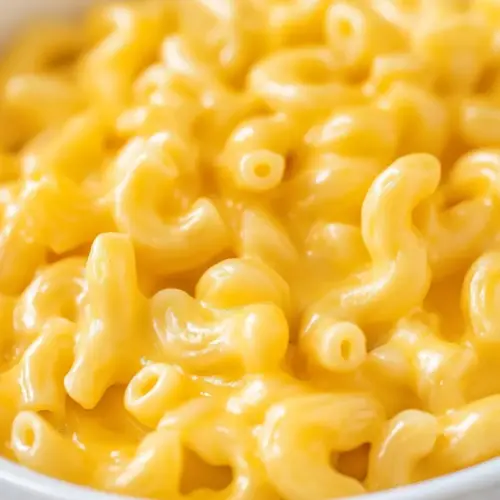
Stovetop Mac and Cheese
Stovetop Mac and Cheese is a creamy, cheesy, and easy weeknight dinner that comes together quickly. With a silky roux, warm milk, and sharp cheddar melted into a glossy sauce, this recipe delivers comforting texture and familiar flavor. Ideal for busy evenings or cozy family meals, it’s simple to make and comforting to eat, a reliable choice whenever you want a quick homemade classic.
Equipment
- Sauté Pan
- Wooden or silicone spatula
Ingredients
- 8 ounces elbow macaroni uncooked, see note 1 Cook until tender and slightly firm to the bite, providing the pasta base and bulk for the dish; starch released from cooking helps thicken the sauce and bind the macaroni and cheese.
- 1/4 cup unsalted butter Melt and incorporate into the roux to create a smooth, rich base for the sauce; contributes creaminess and helps carry flavors throughout the dish.
- 1/4 cup all purpose flour Whisk into melted butter to form a roux that thickens the milk into a velvety cheese sauce; provides structure and prevents the sauce from being too watery.
- 1/4 teaspoon garlic powder Sprinkle into the sauce for a mild aromatic garlic note that enhances savory depth without overpowering the cheese flavor.
- 1/4 teaspoon onion powder Stir into the sauce to add a subtle sweet-onion background flavor that complements the savory cheese and balances richness.
- 3/4 teaspoon dry mustard powder Blend into the sauce mix to add a tangy, slightly sharp heat that brightens the overall flavor profile and mimics aged cheese notes.
- 1/2 teaspoon salt Add to season the dish, enhancing and balancing flavors while helping to elevate the natural taste of the cheese and pasta.
- 1/4 teaspoon ground white pepper or black pepper Season the sauce lightly to add a gentle peppery heat and aromatic warmth that complements the cheesy creaminess.
- 1 1/2 cups milk whole or 2%, see note 2 Pour into the roux to create a smooth béchamel-style base; provides the liquid and dairy fat necessary for a creamy, cohesive sauce.
- 2 cups shredded cheddar cheese see note 3 Fold into the hot sauce until melted and smooth to provide the primary cheesy flavor, color, and richness that defines the dish.
Instructions
- Cook the macaroni in a large pot of salted water until al dente, follow the package instructions. This usually takes about 10 minutes.: The aroma of boiling salted water signals the start of a comforting dinner, and you will notice the pot buzzing more as the pasta softens. The key sensory cue is the pasta texture, it should yield slightly when bitten but remain firm to the tooth so it can finish cooking gently in the sauce without turning mushy. Use a generous amount of salt in the water so the pasta itself becomes seasoned, because that enhances the overall flavor balance of the dish. A common problem at this step is overcooking, which produces mushy strands that will absorb too much sauce and make the final result heavy. Drain the pasta promptly and give it a gentle shake to remove excess water, but do not rinse, since the sauce needs the starch clinging to the noodles to adhere properly.
- Meanwhile, make the cheese sauce. In a saucepan, melt the butter and add the flour, garlic powder, onion powder, and mustard powder, salt and pepper and cook for 30 seconds.: As the butter melts and meets the flour , you will see it bubble and thicken into a glossy paste, and a faint toasty scent will develop if you cook too long. That brief cooking time is important to remove the raw flour taste while keeping the roux pale and smooth, which ensures a silky final sauce. You should whisk constantly so the seasonings distribute evenly and no lumps form. Avoid letting the mixture darken, because a browned roux will shift the flavor away from the clean, creamy profile we want. If lumps appear, reduce heat and whisk vigorously until smooth.
- Whisk in the milk until smooth and creamy.: When you pour in the milk , start slowly and whisk continuously so the liquid integrates with the roux without forming lumps, and you will feel the sauce thicken as it warms. The sound becomes a gentle simmer and the texture transforms from pasty to velvety, a very satisfying change to watch. Keep the heat moderate; too-high heat can make the milk scald and develop a cooked dairy taste. If the sauce becomes too thin, continue cooking gently until it coats the back of a spoon. If it seems too thick, whisk in a splash of milk to loosen it. A frequent mistake here is rushing and adding all the milk at once, which invites lumps and an uneven texture.
- Remove from heat and stir in the cheese until melted.: Take the saucepan off the heat before adding the cheddar cheese , then stir patiently as the cheese melts into ribbons and the sauce becomes glossy and cohesive. You will see the color deepen and the surface smooth, the aroma of melted cheese will fill the kitchen and make it hard to wait. Removing from heat prevents the cheese from becoming grainy or separating, which happens if it is exposed to aggressive heat. If the cheese does not fully melt, return to very low heat briefly while stirring, but be cautious. A common troubleshooting tip is to shred the cheese freshly and add it gradually so it incorporates evenly.
- Stir in the cooked macaroni and serve warm.: When you fold the hot pasta into the sauce, watch as each elbow gets coated and the sauce clings to curves and hollows, creating a cohesive dish that looks glossy and inviting. The finished texture should be smooth and not stringy, with the smell of good cheddar and warm milk. Serve immediately so the sauce keeps its silky consistency, and if it sits too long it can thicken; if that happens, stir in a splash of milk to revive creaminess. A common mistake is combining cold pasta with hot sauce, which cools the mixture and prevents the sauce from evenly coating; ensure the pasta is hot when you toss it in.
Notes
- Freshly shred your cheese Freshly shredding cheddar cheese from a block helps it melt smoothly because it lacks anti caking agents found on pre shredded varieties. The result is a silkier sauce with a cleaner mouthfeel.
- Don’t overcook the pasta Cook the elbow macaroni until al dente so it finishes cooking gently in the hot sauce and does not become mushy. Overcooked pasta will absorb too much sauce and leave a gummy texture.
- Whisk milk slowly into the roux Add the milk gradually and whisk constantly to prevent lumps and produce a uniformly creamy base. Rushing this step can trap pockets of raw flour and create a grainy sauce.
- Control the heat when melting cheese Remove the pan from the stove before adding the cheddar cheese to avoid overheating, which causes separation and a sandy texture. If needed, finish melting over very low heat.
- Use dry mustard for brightness A small amount of dry mustard powder lifts and sharpens the cheese flavor, making each bite feel more balanced and less heavy. Measure carefully because a little goes a long way.