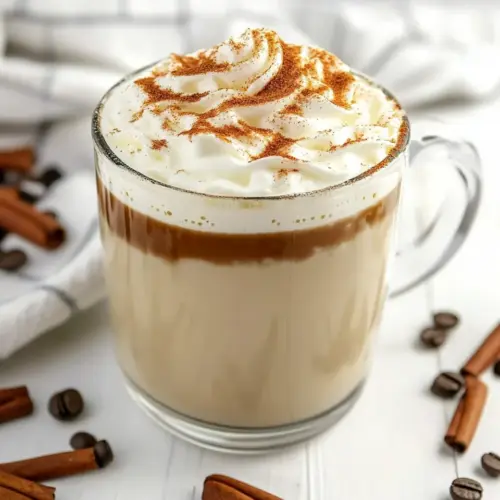
Starbucks Cinnamon Dolce Latte
Starbucks Cinnamon Dolce Latte is a creamy, warmly spiced coffee drink featuring homemade cinnamon syrup and steamed 2% milk. This easy, comforting beverage balances sweet and aromatic notes with bold espresso, making it ideal for cozy mornings or an easy weeknight treat. Make a batch of syrup ahead to save time and enjoy café flavor at home with minimal fuss.
Equipment
- Medium Saucepan
- Jar or bottle
- Espresso machine or strong coffee maker
- Milk steaming pitcher
Ingredients
- 2 cups water Boil to provide the base liquid for dissolving sugars and extracting cinnamon flavor, forming the syrup foundation for the beverage. Maintain gentle simmering to concentrate flavors without burning and allow infusion time for optimal sweetness balance.
- 1 1/2 cups white granulated sugar Sweeten and balance flavors by dissolving into the hot water to create the cinnamon syrup, contributing brightness and body. Adjust dissolution thoroughly to prevent graininess and to harmonize with brown sugar and spices.
- 1/2 cup brown sugar Deepen sweetness and add molasses notes by melting into the syrup mixture for a richer caramel undertone. Combine fully with the white sugar to create layered sweetness and enhance overall complexity.
- 5 cinnamon sticks Infuse aromatic cinnamon oils and warm spice character by steeping in the hot syrup during simmering. Crack or bruise sticks lightly to increase flavor release and remove before bottling to avoid over-extraction.
- 1 tablespoon vanilla extract Enhance and round out vanilla notes by stirring into the finished syrup or coffee to add floral sweetness and complexity. Add at the end of cooking to preserve volatile aromatic compounds and keep the flavor pronounced.
- 1 tablespoon cinnamon dolce syrup Provide concentrated cinnamon-flavored sweetness as a finishing touch to emulate the signature Starbucks flavor profile and adjust intensity. Use sparingly to layer sweetness and spice when assembling the latte.
- 2 ounces espresso (2 shots) Concentrate bold coffee flavor and provide caffeine by pulling espresso shots to serve as the drink’s coffee core. Pour hot into the cup before adding syrup and milk to preserve crema and ensure balanced taste.
- 1 cup 2% milk steamed and frothed Steam and froth to create creamy texture and microfoam that integrates with espresso and syrup, adding body and mouthfeel. Use 2% milk to achieve a balance between richness and lightness while supporting latte structure.
- 2 tablespoons whipped cream Garnish and add light creaminess by dolloping on top of the frothed milk to enhance indulgence and visual appeal. Pipe or spoon gently to keep foam texture and support sprinkling of ground cinnamon.
- 1/4 teaspoon ground cinnamon Sprinkle to finish with a warm, aromatic spice note that complements the cinnamon sticks and syrup flavors. Dust lightly over whipped cream or foam to provide immediate scent and final flavor accent.
Instructions
- Place the water, white granulated sugar, brown sugar, and cinnamon sticks into a medium size saucepan.: As the mixture comes together, you will notice the sugars beginning to dissolve into the warm water , creating a glossy liquid. The cinnamon sticks will start releasing faint, woody notes immediately, and you should stir gently until there are no visible sugar crystals. This step matters because fully dissolving the sugars ensures a smooth syrup without graininess, which affects mouthfeel. A common mistake is using too high a heat which can cause sticky, uneven caramelization on the pan sides, so keep the flame moderate and stir patiently. Visually you want a uniform, slightly translucent liquid with cinnamon sticks floating, and to the nose you should detect the opening of cinnamon aroma.
- Bring to a boil, then lower the heat to simmer. Simmer for 25 minutes.: When the surface first breaks into rolling bubbles the aroma intensifies, and that brief boil helps homogenize the syrup. Lowering to a gentle simmer lets the cinnamon oils seep out steadily without turning the sugars into burnt caramel. You will hear a soft, consistent bubble rather than violent splashes, and the smell will deepen from bright spice to warm, molasses like notes. If you let it boil aggressively you risk reducing too quickly and creating bitter caramelized patches, so adjust heat to maintain a calm simmer. This stage is about control, not speed, and patience yields a cleaner, balanced syrup.
- Remove cinnamon sticks.: During this slow simmer the syrup will thicken slightly and the aroma will transform into a deeper, cozy cinnamon fragrance that fills the kitchen. You should notice tiny bubbles and a gentle steam, and when you tilt the pan a bit the syrup will coat the spoon with a glossy ribbon. This sustained extraction time matters because it pulls the essential oils from the cinnamon sticks , producing a layered flavor rather than a one note sweetness. Watch for over reduction, a common error that makes the syrup too viscous, so remove from heat if it becomes syrupy like molasses before the full time is up. Keep the simmer gentle to avoid aggressive evaporation and loss of aromatic nuance.
- Cool the syrup for 30 minutes.: As you fish out the sticks, you will see they have darkened and softened, and their scent will smell more potent than when whole. Removing them at the right moment prevents the infusion from becoming dusty or bitter, since extended contact can extract undesired tannins. Use tongs or a spoon to avoid splashes, and press gently against the side to check that you have not left fragments behind. A typical oversight is leaving the sticks in the hot syrup which intensifies spice beyond balance, so be decisive and take them out when the syrup smells rich yet sweet.
- Stir in vanilla extract.: As the syrup cools, the aromatics stabilize and the viscosity settles, creating a syrup that pours smoothly at room temperature. Cooling is also important for safety if you plan to transfer to glass, and it helps you judge final thickness accurately. Expect the scent to mellow slightly but remain comforting, and the surface to settle into a glossy sheen. A mistake I see is bottling when it is too hot which can warp containers or create condensation, so allow the full cooling window for best storage and texture.
- Transfer syrup to a jar or a bottle.: Adding the vanilla extract after cooling preserves its delicate aromatic lift which can be evaporated by heat. You will notice a mellow, rounded sweetness bloom that harmonizes the cinnamon and sugar backbone. Stir gently to integrate, tasting to ensure the vanilla does not overpower the cinnamon profile. A common misstep is adding vanilla too early which flattens its nuance, so incorporate at the cooler stage to retain its brightness and floral warmth in the final syrup.
- Place cinnamon syrup in the cup.: Pouring into a clean container should be done carefully to avoid drips, and you will observe the syrup hold a viscous, glossy texture as it settles in the jar. Proper storage keeps the syrup fresh for several weeks in the refrigerator, and a tight lid prevents flavor loss. Wipe bottle necks before sealing to avoid sticky residue, and label with date for convenience. One mistake is using a container that is not airtight which speeds oxidation and dulls the flavor, so choose a well closing jar or bottle.
- Pour espresso into the cup.: Measure the syrup into your cup, and you will immediately sense the concentrated aroma rising from the surface. The syrup provides the flavor foundation and by putting it in first you ensure even distribution when the espresso and milk are added. If you pour hot liquids directly on top without stirring you might end up with uneven sweetness pockets, so prepare to integrate gently. The syrup should glisten and cling lightly to the cup sides, signaling a balanced viscosity.
- Add steamed and frothed milk on top of the espresso.: Freshly pulled espresso should present a rich crema and a complex aroma of roasted notes mingled with the cinnamon. As you pour, you will see the espresso marry with the syrup creating a layered color gradient, and the scent will brighten with coffee acids cutting through sweetness. This step matters because espresso introduces bitterness and body that balance the syrup, giving the drink structure. Avoid weak, watery shots which make the beverage cloying; aim for concentrated, aromatic extraction for a proper contrast.
- Top with whipped cream and garnish with cinnamon.: When you steam 2% milk properly you will hear a soft, breathy sound and feel the frothing pitcher warm in your hand. Pour slowly to integrate the creamy body with the espresso and syrup, and watch the surface smooth into a velvety layer. Steaming creates microfoam that adds silkiness and a slight sweetness from milk sugars. A common issue is overheating the milk which flattens flavor and kills foam texture, so aim for warm, not scalding, and use gentle wrist motion to produce stable microfoam.
- Top with whipped cream and garnish with cinnamon: The final touch of whipped cream brings indulgence, and as it meets the warm beverage it softens and releases a creamy aroma. A light dusting of ground cinnamon on top lifts the nose and provides the first spicy note at each sip. Presentation matters as well, and a modest swirl of cream and sprinkle looks inviting. Avoid piling on excessive cream which can drown the coffee and mask the syrup nuances; modesty here preserves balance and ensures each sip includes all elements.
Notes
- Use quality cinnamon sticks: Choose whole, aromatic cinnamon sticks rather than pre ground spice for a clearer, cleaner cinnamon profile and to avoid gritty texture in the syrup.
- Control sweetness easily: Make a small test cup first with one tablespoon of syrup, then adjust to taste so you do not over sweeten the entire batch.
- Keep the syrup refrigerated: Proper cold storage in a sealed jar preserves flavor and prevents microbial growth, giving you ready to use syrup for several weeks.
- Warm the cup: Preheating your cup prevents rapid cooling when you pour the hot espresso and milk, helping the foam remain stable and the drink feel more cohesive.
- Froth by hand if needed: If you lack a steamer, heat the 2% milk and whisk vigorously or use a handheld frother to create acceptable microfoam for a satisfying texture.