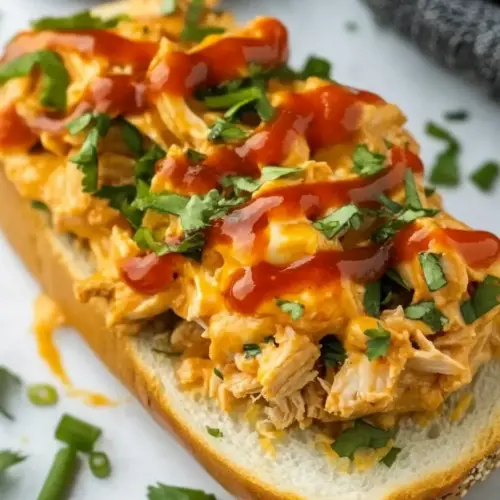
Sriracha Tuna Melt
Sriracha Tuna Melt is a creamy, crispy, and spicy sandwich that comes together in minutes, perfect as an easy weeknight dinner. The mix of canned tuna, tangy pickle relish, and melted cheddar under the broiler yields a warm, satisfying bite with a bright sriracha finish. It’s pantry friendly and customizable, making it a reliable go to when you want bold flavor without fuss.
Equipment
- Solid White Tuna in Water
- Sriracha
- Mayonnaise
- Pickle Relish
Ingredients
- 4 slices bread Toast or sandwich foundation that provides structure and a crisp contrast when buttered and toasted; choose sturdy slices to hold the tuna filling without becoming soggy. Can be varied for texture and flavor by using whole grain, sourdough, or white bread depending on preference and toasting time.
- 2 tablespoons softened butter Softening medium that spreads easily and promotes even browning and crispness on the exterior of the toasts; helps prevent sticking and adds a rich, buttery flavor. Spread evenly on bread before toasting to achieve a golden finish and enhance overall mouthfeel.
- 15 -ounce can Chicken of the Sea® Solid White Tuna, drained well Flaked protein base that supplies hearty texture and savory flavor to the filling when drained and broken up; offers convenience and consistent results for a tuna melt. Combine gently with other ingredients to maintain moistness without making the mixture watery.
- 3 tablespoons mayonnaise Binding and creamy agent that brings richness and helps hold the tuna mixture together, contributing to a smooth mouthfeel and balanced flavor. Adjust quantity to taste for desired creaminess and to control the final moisture level of the filling.
- 1 tablespoon sriracha plus more for drizzling over the finished toasts Spicy flavor enhancer that adds heat and a touch of sweetness, giving the tuna mixture a bright, bold kick; use the stated amount and reserve extra for drizzling over finished toasts. Mix thoroughly into the tuna to distribute heat evenly and taste before adding more.
- 2 teaspoons pickle relish drained well Sweet-tangy condiment that contributes small bursts of acidity and texture, cutting through richness and adding a classic pickle flavor to the mixture; ensure excess liquid is drained. Stir into the tuna gently so relish pieces remain distinct for contrast in each bite.
- 1/2 teaspoon black pepper Warm seasoning that provides a peppery bite to balance the creaminess and heat from other components; adjust to personal spice tolerance. Whisk or mix in evenly so the pepper complements rather than overwhelms the other flavors.
- 1/4 teaspoon kosher salt if needed Optional seasoning to fine-tune saltiness only if needed after tasting; helps avoid over-salting when using canned tuna and cheese. Sprinkle sparingly and taste the mixture before adding more, since canned ingredients may already contain sodium.
- 1 cup shredded sharp or medium cheddar Melting cheese that creates a gooey, savory topping which binds the toast components when heated and adds sharp dairy flavor; choose sharp or medium cheddar per preference. Evenly distribute over the tuna mixture and broil or grill until bubbly and golden for best results.
- chopped fresh cilantro optional garnish Fresh herb garnish that delivers a bright, citrusy note and visual freshness when sprinkled over finished toasts; use chopped leaves sparingly to accent flavors. Add just before serving to preserve color and aromatic impact.
Instructions
- Butter both sides of the bread slices and place bread on a sheet pan. The tuna mixture makes enough for four regular size open-faced tuna melts. Either butter four slices of bread and use all the tuna mixture OR butter two sliced of bread and save half the tuna mixture for later.: The aroma of butter warming in the oven is the first sign dinner is on. You should smell a toasty, slightly nutty scent as the butter heats, and the surface of the bread will begin to brown at the edges. This creates a barrier that prevents the bread from soaking up moisture from the topping, preserving crispness. A common mistake is spreading the butter unevenly, which leads to patchy browning, so take a moment to coat each slice fully. If the bread curls slightly, press it down gently with a spatula so it broils evenly. Avoid using too much butter or the edges will darken before the center achieves color.
- For the tuna salad mixture, in a small bowl stir together tuna, mayo, sriracha, pickle relish, and black pepper. Add salt if needed.: When you mix these, notice the sheen of the mayonnaise as it binds the flakes of tuna , and the tiny flecks of pickle relish add visual contrast. The mix should be moist but not runny, with the heat of the sriracha evenly distributed. This step matters because a well emulsified mixture spreads cleanly and heats uniformly under the broiler. One trap is overmixing so the tuna gets too mashed and loses its flaky texture, so stir gently to combine. If the mixture seems dry, add a little extra mayonnaise gradually until it reaches a spreadable consistency.
- With broiler on high, toast first side of the bread under the broiler, and then flip the bread over and very lightly toast the second side.: Keep a close ear for a light crackle and watch for a golden edge to develop, that tells you the crust is crisping. The first side needs a bit more time to build that structural crunch, while the second side should be barely toasted so it does not overbake once topped. If your broiler is particularly aggressive, move the rack a bit lower to avoid rapid burning. A frequent error is leaving the bread under the broiler unattended, which can turn golden to char in seconds, so stay present and use tongs or a spatula to flip quickly.
- Remove sheet pan from oven. Top the lightly toasted side of the bread with the tuna mixture and shredded cheese. Leave the edges of the bread just slightly exposed, for additional toasting.: When you lift the sheet pan out you should feel the residual heat and smell a rich toasted aroma. This pause matters because the hot pan is ready for topping and will help the cheese melt faster. Placing the mixture on slightly cooled bread can prevent the cheese from melting properly. Be mindful of the hot metal surface, use an oven mitt, and set the pan on a heatproof surface to avoid accidents. A simple mistake here is rushing and scorching your hands, so always use protection.
- With the broiler on low, place sheet pan back into oven. Let the tuna salad mixture and cheese get thoroughly heated, nice and slow. Once cheese is melty, turn the broiler to high to blister the cheese just a bit, if desired. Take care to not let the bread burn.: Spread the mixture so the edges of the bread remain exposed, which allows them to continue toasting and become crispier. You will see the glossy mayonnaise and flecks of relish, and the shredded cheddar should form an even layer for uniform melting. This technique matters because exposed edges create contrast in texture, making each bite more interesting. Avoid piling too much filling in the center or the bread will sag and become difficult to eat. If the cheese is uneven, use your fingers to distribute it gently so it browns consistently under heat.
- Remove sheet pan from oven and drizzle sriracha over the top of the finished melts. Garnish with fresh cilantro, if desired. Then enjoy while it’s hot!: Gentle heat allows the filling to warm through and the cheddar to melt gradually, producing a silky texture rather than an oily separation. Listen for a soft sizzle and watch the cheese become glossy and begin to droop toward the edges. Taking time on low heat develops a more integrated flavor and prevents the bread from burning before the filling is hot. A common pitfall is switching to high broil immediately, which can bubble the cheese unevenly and blacken the bread. If it is taking longer than expected, check that the oven rack is in the correct position so the heat reaches the food efficiently.
- Once cheese is melty, turn the broiler to high to blister the cheese just a bit: A brief flash of intense heat will create tiny browned spots on the cheddar , adding a toasty, caramelized note and an appealing texture. Watch carefully as this step happens fast, and you want small blisters rather than large charred areas. That final high heat elevates the flavor by introducing slight bitterness that balances the richness. One mistake is leaving it too long, which will burn the edges of the bread, so count seconds and be ready to pull the pan.
- Remove sheet pan from oven and drizzle sriracha over the top of the finished melts: The piping hot sandwiches will hiss slightly as you add the cooler sriracha , releasing a bright, fragrant chile aroma. The final drizzle gives a fresh kick and a glossy finish that looks inviting on the plate. Garnish with chopped cilantro if using, which provides a herby contrast. Avoid drizzling too much sriracha if you are serving heat sensitive guests; a little can go a long way. A frequent misstep is adding the drizzle too early, which loses the fresh heat, so wait until after baking for the most vibrant flavor.
- Garnish with fresh cilantro, if desired: The herb offers a burst of color and a lively, citrusy lift against the savory base. Chop just before serving to keep it bright, and scatter sparingly so it complements rather than overwhelms. This finishing touch makes the plate look intentional and adds aromatic nuance as you bite into the sandwich. One small mistake is adding the garnish too early, which causes it to wilt under the oven heat, so reserve this until the end.
- Then enjoy while it’s hot: Serve immediately so you experience the contrast of crunchy bread and melty cheddar with warm, creamy tuna . The best sensory cue is the first pull of stringy, melted cheese and the burst of sriracha on the tongue. If you plan to pack leftovers, allow the filling to cool before closing to avoid steam softening the bread. A common error is letting the sandwich sit too long, which sacrifices the peak texture and warmth.
Notes
- Mix up the heat by varying the amount of sriracha in the tuna mixture and as a finishing drizzle, tasting as you go to avoid overwhelming the other flavors.
- Change the cheese by trying a milder or sharper meltable option, but keep a similar amount so the texture and melt behavior remain consistent.
- Swap the relish for finely chopped cornichons or capers if you prefer a brighter briny note, doing so sparingly to maintain balance.
- Try open faced or closed styles depending on how portable you need the sandwich to be, but remember that a closed sandwich will steam slightly when wrapped.
- Use whole grain or sourdough to introduce nutty or tangy backbone flavors that pair nicely with the spicy tuna filling.