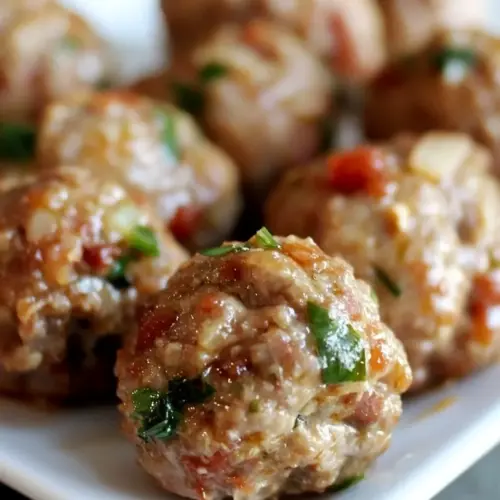
Spicy Tailgate Meatballs
Spicy Tailgate Meatballs are a juicy, crowd pleasing appetizer with tender turkey, savory parmesan cheese, and a warm kick from cayenne pepper. This easy weeknight dinner or party favorite delivers crispy edges and a moist center, perfect for gatherings or game day. Make ahead friendly and simple to scale, they re a persuasive reason to bring them to your next event.
Equipment
- Baking Sheet
- Large Bowl
- Oven
Ingredients
- 1 cup whole wheat bread cubed Provide a hearty binder and texture by absorbing moisture from the mixture; use cubed whole wheat bread for added fiber and a firmer meatball structure when combined with liquids.
- 3 pounds lean ground turkey optional lean ground chicken Form the primary protein base that keeps meatballs lean and moist; choose lean ground turkey for lower fat or substitute lean ground chicken for a similarly light texture and flavor.
- 3 eggs beaten Add moisture and help bind ingredients together while creating a tender crumb; beaten eggs also contribute richness and aid in holding the meatballs’ shape during cooking.
- 2 teaspoons salt Season the mixture to enhance overall flavor and balance other spices; use measured salt to bring out natural tastes without overpowering the dish.
- 1 teaspoon paprika Impart a warm, mildly smoky note that complements savory spices; paprika also adds color and depth to the meatball mix.
- 1/2 teaspoon cayenne pepper Deliver heat and a sharp, spicy kick that intensifies the tailgate-style flavor; use measured cayenne to control the spiciness throughout the batch.
- 4 tablespoons age fresh, chopped Contribute bright, herbaceous flavor and freshness when chopped; age fresh (likely meant as 'sage' or similar) adds aromatic complexity to the meatballs.
- 3/4 cup onion chopped Provide a savory sweetness and soft bite when cooked; chopped onion adds moisture and a mellow allium depth to the overall profile.
- 2 garlic cloves minced Introduce pungent, aromatic intensity and savory depth when minced; garlic cloves enhance umami and complement other seasonings.
- 3/4 cup parsley fresh, chopped Add vibrant, fresh herb character and a slightly peppery note when chopped; parsley also refreshes the palate and lightens the richness of the meatballs.
- 2/3 cup parmesan cheese Bring nutty, salty umami and a granular texture that enriches the mixture; grated parmesan cheese enhances savory complexity and helps bind ingredients.
Instructions
- In a large bowl, combine the turkey, onions, bread cubes, spices, and cheese. Using your hands, blend the ingredients together. Finally, add the egg and mix until well combined.: The moment you toss these ingredients together you ll notice the aroma of onion and parmesan cheese rising, a savory signal that the foundation is set. The visual mix should show evenly distributed bread cubes and flecks of spice against the pale meat, which tells you the seasoning is balanced. Why this matters, the even distribution prevents pockets of unseasoned meat and ensures each meatball tastes consistent. Troubleshooting tip, if the bread seems dry instead of plumped as you combine, sprinkle a tablespoon of water at a time until the texture looks cohesive, but avoid making the mixture soggy. Listen for a slight tackiness when you press a bit between your fingers, that s the right hydration level. A common mistake is overmixing, which makes meatballs dense, so stop once everything is just combined.
- Using your hands, form mixture into approximately 40 meatballs (approximately 1 1/2 inch in diameter).: As you work the mixture with your hands, you ll feel the texture change from crumbly to a unified mass, slightly cool from the meat and with the soft give of the soaked bread. This tactile feedback is your best cue that the binders are activating. Why this technique matters, gentle hand mixing keeps the final meatballs tender by avoiding excessive protein tightening. Troubleshooting, if you find the mixture overly sticky, chill it for ten minutes to firm up, which makes shaping easier. Don t squeeze aggressively, because that compacts the meat and yields a tougher result. Smell cues include the warmth of the spices and the savory edge of the parmesan cheese , which intensifies as you blend.
- Place the meatballs on a cookie sheet and bake at 350 degrees for 20-25 minutes (or until cooked through).: When you pour the beaten eggs in, you should see the mixture become glossy and slightly moister, the egg helping everything bind and shine. The visual change from matte to slightly glossy indicates emulsification, which will keep the meatballs from falling apart while baking. Why this step matters, eggs provide structure and richness so the interior stays cohesive and moist. Troubleshooting tip, add the eggs slowly and fold them in so the mix stays light; adding all at once can make the mixture too wet. Avoid overworking here too; once the egg is incorporated, stop. If the mixture feels too loose, a short chill will help it firm up for shaping.
- Using your hands, form mixture into approximately 40 meatballs approximately 1 1 2 inch in diameter: As you roll each meatball, notice the temperature of the mixture becomes slightly warmer from your hands, and the surface smooths into a compact sphere with tiny flecks of herbs and cheese visible. The appearance of uniform size and smooth surface helps them cook evenly and look attractive on a platter. Why uniformity matters, consistent size ensures they finish at the same time so none are over or undercooked. Troubleshooting advice, if meatballs crack while rolling they may be too dry, so mist your hands lightly with water or oil to help achieve a flawless finish. One common error is making them irregular sizes, which leads to uneven doneness; use a small scooper or a scale for precision if desired.
- Place the meatballs on a cookie sheet and bake at 350 degrees for 20 to 25 minutes or until cooked through: When you slide the tray into the oven you ll notice an immediate warm, savory perfume emerge as the parmesan cheese and onion begin to roast. Visual cues to watch for include lightly golden edges and a slight firmness when you press gently, which indicate doneness without overbaking. Why this bake matters, the oven offers even, dry heat that sets the exterior and locks juices inside, producing meatballs that are browned yet tender. Troubleshooting, use a thermometer to check the center for safety several meatballs should register 165 degrees F for turkey . Avoid opening the oven repeatedly, as temperature drops can lengthen cook time and dry them out. A common mistake is baking at too high a temperature, which can brown the exterior before the center is cooked, so keep it steady at 350 degrees.
Notes
- Measure the bread properly by tearing into even cubes so it rehydrates uniformly and avoids dry pockets in the meatballs.
- Keep the meat cold until it goes into the oven, chilling the bowl if necessary, to prevent the fat from smearing and the texture from becoming mushy.
- Mix by hand gently to feel the right texture and avoid overworking which leads to dense meatballs.
- Use a small scoop for consistent sizing which ensures even cooking and a professional looking platter.
- Check internal temperature at the largest meatball to ensure it reaches 165 degrees F for safe consumption when using poultry.