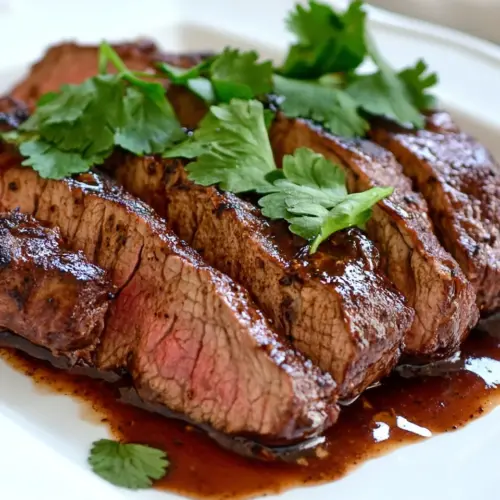
Spice Rubbed Sirloin
Spice Rubbed Sirloin delivers a savory crust and juicy interior, combining smoky paprika, sweet brown sugar, and warm chili powder for an easy weeknight dinner. This straightforward steak recipe is ideal for quick grilling, offering bold taste with minimal prep and a restaurant quality finish. Make it when you want impressive results without fuss.
Equipment
- BBQ Grill
- Small Bowl
- Tongs
- Platter
Ingredients
- 1 lb Top Sirloin Steak, about 1" thick Season and tenderize the steak by applying heat and smoke during cooking, helping to form a flavorful crust while preserving juicy interior; choose top sirloin for a balance of leanness and beefy flavor that stands up to bold rubs. Trim excess fat if desired, and allow to come to room temperature before cooking to ensure even doneness.
- 1 tsp paprika Add a sweet, mild smoky note that deepens the rub and helps create a caramelized crust when seared; paprika also contributes a warm red color that makes the finished steak visually appealing. Use measured amounts to avoid overpowering other spices while enhancing overall flavor.
- 1 tsp brown sugar, light or dark Introduce molasses-like sweetness and help balance heat and acidity in the rub, promoting caramelization on the steak surface during searing. Light or dark brown sugar both work; finer granules adhere better to the meat when mixed with other dry seasonings.
- 1 tsp chili powder Provide complex, earthy warmth with mild heat and subtle smokiness that complements the beefiness of the sirloin; chili powder blends often include cumin and oregano that add depth to the rub. Use sparingly to layer savory notes without overwhelming the steak.
- 1/4 tsp garlic powder Contribute concentrated garlic aroma and a gentle savory background note that enhances umami perception in the meat and complements the rub blend. A small amount prevents the garlic from becoming dominant while still lending recognizable flavor.
- 1/4 tsp cayenne pepper Deliver sharp, concentrated heat to the rub, offering a chili-forward kick that brightens the overall flavor profile; cayenne also helps accentuate other spices when used in small amounts. Adjust quantity carefully to match desired spiciness for diners.
- 1/4 tsp salt Enhance and balance other seasonings while bringing out the natural beef flavor; salt is essential for seasoning and helps with moisture retention and crust formation during cooking. Even distribution is important to avoid overly salty spots on the steak.
- A1 Original Steak Sauce Provide a tangy, savory finishing sauce option that adds umami, sweetness, and acidity to the cooked steak; A1 Original Steak Sauce complements the spiced crust and offers a pourable condiment for serving. Offer on the side or brush lightly at the end for a glossy finish.
Instructions
- In a small bowl, mix together paprika, brown sugar, chili powder, garlic powder, cayenne pepper and salt.: The moment you whisk these spices, a layered perfume rises, combining sweet, smoky, and spicy notes. Work the mixture in a small bowl until the brown sugar breaks up and the powders look uniformly colored, which signals even seasoning across the steak. This preblending ensures every bite has balanced flavor. A common mistake is leaving clumps of brown sugar, which can create uneven caramelization, so rub the sugar between your fingers if needed to loosen it.
- Rub spice mixture on all sides of the steak.: As you press the rub into the surface, feel the texture change, and notice the rub adhering to the meat. This contact helps the sugars and spices start to bond with the muscle proteins, creating that desirable crust when seared. Use your fingertips to cover edges and fat for consistent coverage. Avoid overhandling the steak, because excessive pressure can compress the meat and interfere with a good sear.
- Refrigerate steak for 20-30 minutes.: Chilling the rubbed steak briefly lets the flavors settle and firms the surface, which aids in searing. In the fridge, the rub melds with the meat and the brown sugar slightly dissolves into the exterior, improving crust formation under high heat. Do not refrigerate for too long uncovered, because that can dry the surface; a short rest is optimal for flavor without dryness. A common oversight is leaving it far longer than recommended, which tightens the outer layer and makes achieving an even sear harder.
- Pre-Heat BBQ Grill to medium/high.: When you bring the grill up to temperature, you should be able to hold your hand about five inches above the grate for roughly two to three seconds before it feels too hot. The grill heat will sizzle the sugars and toast the spices, sealing flavor quickly. A well heated grate gives a satisfying sear and those signature grill marks. If the grill is not hot enough, the steak will cook through without forming a proper crust, so be patient and let it reach the right temperature.
- If your grill has a searing section, sear the steak for about 1 minute each side.: That quick sear is about building contrast, producing an intensely flavored surface that sets up the rest of the cooking. You should hear an immediate, energetic sizzle and see the spice crust darken slightly, turning glossy as the sugars caramelize. Resist the urge to move the steak constantly; a steady contact creates the best crust. Over-searing can char the spices and yield bitterness, so limit each side to the short sear time indicated.
- Transfer to the regular grill rack and grill about 4-5 minutes on each side over medium/high heat with the lid closed. This should end up medium to medium/well doneness.: As the steak grills, listen for a steady, moderate sizzle and watch for the edges to lose their raw sheen and develop a deep mahogany color. Closing the lid helps maintain consistent heat and encourages even cooking to medium or medium slash well, depending on thickness. Use visual cues like juices pooling near the surface and slight spring back to check doneness. A typical pitfall is relying only on time, rather than feel and look, which can lead to overcooking thinner cuts.
- Place finished steak on a platter and cover with foil. Let it stand for 5 minutes.: Resting is when the steak relaxes, letting juices redistribute so the slices remain moist instead of leaking onto the plate. Covering lightly with foil keeps warmth without steaming the crust. The resting period also allows the internal temperature to settle, often rising a few degrees. Cutting too soon is the most common mistake, because it forces the juices out and leaves the meat drier.
- Cut steak across the grain into thin slices and serve with A 1 Steak Sauce.: Slice against the grain to shorten the muscle fibers, producing tender bites that chew effortlessly. You will notice a warm, rosy interior contrasted with the spiced exterior, and the texture should feel succulent. Present the slices on a platter with A1 Original Steak Sauce on the side so guests can add tangy brightness. Slicing with the grain creates chewy pieces, so always confirm you are cutting perpendicular to the fibers.
Notes
- Buy slightly thicker steaks because they handle grilling and resting better, giving you a moist interior and well formed crust.
- Measure spices accurately to maintain balance between sweet and heat, especially the cayenne which can dominate if increased by accident.
- Loosen brown sugar with your fingers before mixing to avoid clumps that do not dissolve on the surface during searing.
- Preheat the grill thoroughly so the first contact creates immediate sizzle, which promotes a caramelized spice crust rather than prolonged cooking without color.
- Rest the steak under foil for at least five minutes to ensure juices redistribute and slicing yields juicy pieces.