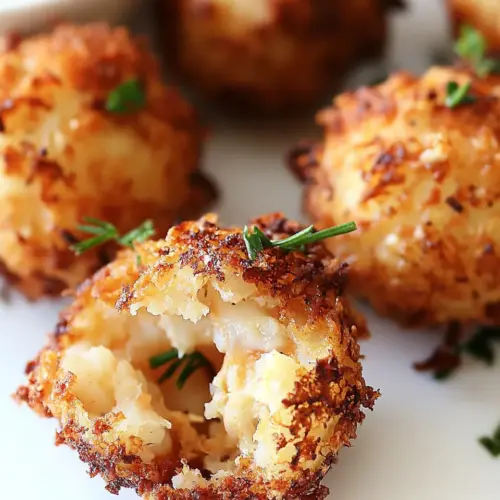
Southern Crab Beignets
Southern Crab Beignets are crispy, savory fritters with sweet crab meat and a tangy remoulade. Lightly crunchy from Panko and creamy inside from mayonnaise and eggs, they make an easy weeknight appetizer or party finger food. Perfect for summer gatherings, these beignets are quick to fry and impossible to resist, a must make for seafood lovers.
Equipment
- Large deep skillet or pot
- Thermometer
- Slotted Spoon
- Wire Rack
- Mixing Bowls
Ingredients
- 1 lb blue crab meat or any good-quality crab meat Provide lumpy, sweet seafood flavor and tender texture; forms the primary protein base for the beignets and offers delicate crab sweetness that defines the dish. Handle gently to preserve chunks and avoid overmixing so the beignets remain light. Choose fresh or high-quality canned/jarred meat for best flavor and texture.
- 2 large eggs Bind the mixture together and add richness; beaten eggs help coagulate proteins and stabilize the crab batter so the beignets hold their shape when frying. Whisk eggs thoroughly before folding into the crab mixture to ensure even distribution. Also contribute to a tender interior and slight lift during cooking.
- 1 cup mayonnaise Contribute creaminess, tang, and fat that enrich the batter while helping to moisten and bind the filling; mayonnaise also adds subtle acidity and mouthfeel. Use full-fat mayonnaise for a richer texture and better emulsion. Incorporate gently to maintain a balance between moisture and structure.
- 2 tablespoon Creole mustard or coarse grain mustard Introduce sharp, piquant mustard flavor and a touch of texture; Creole or coarse-grain mustard adds depth, spice, and complementary heat to the crab mix. Measure carefully to avoid overpowering the delicate crab notes. Stir in evenly to distribute its tangy character throughout the batter.
- 2 teaspoon fresh lemon juice Brighten and balance flavors with acidity; fresh lemon juice cuts through the richness of mayonnaise and crab, lifting the overall taste. Add just enough to enhance but not mask inherent seafood sweetness. Use freshly squeezed juice for the freshest citrus aroma.
- 1/4 cup thinly sliced scallions Add mild oniony bite and fresh green aroma; thinly sliced scallions provide subtle crunch and color contrast within the beignet mixture. Slice uniformly to ensure pleasant texture in each bite. Fold in at the end to keep scallions crisp and flavorful.
- 1/4 cup finely diced red onion Deliver sharp, pungent savory notes and crisp texture; finely diced red onion offers concentrated flavor and slight sweetness that complements crab. Dice small to distribute flavor evenly without large crunchy pieces. Sauté lightly only if a milder, sweeter profile is desired.
- 1 1/2 teaspoon Kosher salt Season with balanced salinity and enhance overall flavor; kosher salt helps amplify the natural taste of crab and harmonizes other seasonings in the batter. Add incrementally and taste before frying to avoid over-salting. Use coarse kosher salt for easier measurement control.
- 1/2 teaspoon black pepper Provide subtle heat and earthy spice while rounding out seasoning; black pepper adds warmth and a mild pungency to the crab mixture. Grind fresh for best aroma and flavor. Adjust amount to personal preference to maintain balance with other spices.
- Pinch cayenne pepper Add a bright, spicy kick in small amounts to elevate the flavor profile; a pinch of cayenne pepper introduces heat without overwhelming the delicate crab. Sprinkle sparingly and taste to achieve desired warmth. Combine with other seasonings for layered spice complexity.
- 1 cup Panko bread crumbs Contribute light, airy crunch and structural body to the mixture; panko breadcrumbs absorb moisture and help bind the beignets while maintaining a crisp exterior when fried. Mix evenly to avoid heavy clumps and ensure consistent texture. Use fresh panko for optimal crunch.
- Canola oil for frying Provide a neutral, high-smoke-point frying medium that crisps the beignets evenly; canola oil allows for controlled frying temperature and minimal flavor interference. Heat to the proper frying temperature before adding beignets to prevent greasiness. Maintain oil cleanliness and proper level for safe frying.
- 1 cup White Remoulade Sauce Offer a tangy, creamy accompaniment that complements the savory crab beignets and provides moistness when served; White Remoulade Sauce adds herbs, acidity, and a spicy-cool contrast. Serve alongside as a dipping sauce or drizzle for enhanced flavor pairing.
Instructions
- Put the crabmeat in a bowl and use your hands to pick the meat free of any shells. Do this at least twice.: The first sensory cue is the faint marine aroma that tells you the crab is fresh, and as you run your fingers through the meat you may feel tiny shell fragments; removing them is important for a pleasant mouthfeel. This step prevents unpleasant crunches later and ensures safety. A common mistake is rushing this stage, leaving shells behind, so take your time and work over a clean surface to make removal easier. If you find stubborn shell pieces, use tweezers or a small fork to tease them out. The visual of pure white, succulent meat is your confirmation that you are ready for the next steps.
- In a medium bowl, whisk the eggs until they're light and foamy and then whisk in the mayonnaise and mustard.: You should hear a light whisking sound and see the mixture take on a slightly airy texture, which helps with binding and mouthfeel. The emulsion of the eggs and mayonnaise creates a creamy base that coats the crab and distributes flavor. Whisking until foamy incorporates tiny air pockets that contribute subtle lift, making the interior less dense. Avoid under-whisking, which can lead to a heavy, gummy batter; conversely, don’t over-whisk to the point the mayo breaks down. The right balance yields a smooth, slightly glossy mixture that smells faintly tangy from the mustard .
- Use a wooden spoon to stir in the lemon juice, scallions, red onion, salt, black pepper, and cayenne.: As you stir, the citrus scent should brighten the bowl, and the vegetables will release fresh, sharp aromas that signal lively flavor. A wooden spoon is gentle on the mixture and helps fold ingredients without bruising the crab . The salt and pepper marry with the lemon, elevating the overall taste. Watch for even distribution so each bite has a balance of aromatics. One pitfall is adding too much salt before tasting; season gradually because the crab itself may contain natural salinity.
- Fold in the Panko and then gently fold in the crabmeat so it doesn't get broken up from too much mixing. The batter should be just thick enough to barely hold together when frying. Refrigerate for at least 1 hour to help it firm up further.: When adding the Panko , you will notice the mixture gaining body and a slight granular texture under the spoon. Gentle folds preserve the integrity of the crab lumps, which is crucial for pleasing bites that showcase the seafood. The batter should cling together while still being soft; if it is too wet it will spread in the oil, if too dry it will be crumbly. Chilling solidifies the fats and firms the batter, making it much easier to portion. A typical mistake is overmixing here, which turns the crab into flakes and yields a less impressive texture.
- In a large, deep skillet or pot, heat 2 inches of canola oil to 350 F.: You will hear a quiet hum from the burner and eventually small convection ripples across the oil's surface, and a candy or deep fry thermometer should read a steady 350 F . Proper oil temperature ensures a golden exterior while preventing excessive oil absorption. Heating slowly and monitoring helps avoid hotspots. If the oil is too cool, the beignets will absorb oil and become greasy, if too hot they may brown outside before the center warms through. Keep a close eye and adjust the heat to maintain that steady temperature.
- Using 2 medium-sized spoons, drop a few spoonfuls of the crab mixture at a time into the oil and fry until a nice golden brown color forms on the outside, 1 to 2 minutes.: As the batter hits the oil you will hear an immediate sizzle that tells you the crust is forming, and within moments the aroma will shift to a toasty, savory scent. The visual cue to watch for is an even golden brown all around, which signals proper caramelization of the exterior. Fry in small batches so the oil temperature recovers quickly; overcrowding causes the temperature to drop and yields soggy results. A common error is adding too many pieces at once; patience here yields perfectly crisp beignets.
- Use a slotted spoon to transfer the beignets to a plate lined with paper towels. Repeat with the remaining batter, frying in batches so as not to crowd the pan.: When you lift them out, excess oil should drip away and the paper towels will absorb the remainder, leaving a dry, crisp surface. The texture will be audible, and the color should be uniform. Letting them sit on towels briefly prevents the bottoms from getting oily. Avoid stacking hot beignets directly on top of one another; trapped steam will soften the crust. Continue in controlled batches to keep consistency from the first fritter to the last.
- You can keep the cooked beignets warm in a 200 F oven, if desired.: Position them on a wire rack set over a sheet pan to maintain airflow and preserve crispness, and you will notice they stay warm without steaming. The oven keeps them at a pleasant serving temperature while you finish frying the rest. Do not cover them tightly, as trapped steam will make the crust soggy. I recommend checking them occasionally so they do not dry out if held too long.
- Serve with White Remoulade Sauce.: The contrast is immediate when you dip a warm beignet into the cool, tangy White Remoulade Sauce . The creamy sauce cuts through the fried richness and enhances the seasoning, adding a final layer of flavor. Present them on a platter with the sauce in a shallow bowl for easy dipping. A misstep to avoid is using a sauce that is too thin, which will slide off; a slightly thick remoulade clings to the beignet and creates the ideal balance.
Notes
- Swap the mustard type, try a coarse grain or Creole mustard to change the spice profile and add visual texture from the mustard seeds.
- Adjust the heat, increase or decrease the pinch of cayenne to suit your guests, a little goes a long way so add gradually.
- Use lump crab, when available, for larger bites of seafood in each beignet, offering a more luxurious mouthfeel.
- Make-ahead chilling, refrigerate the formed batter for several hours or overnight for firmer shaping, but bring it back toward chilled temperature before frying.
- Try different crumbs, panko is ideal for crunch, but you can blend it with fine breadcrumbs for a slightly denser crust if you prefer.
- Keep them warm correctly, use a wire rack in a low oven to retain crispness when serving in batches at a party.