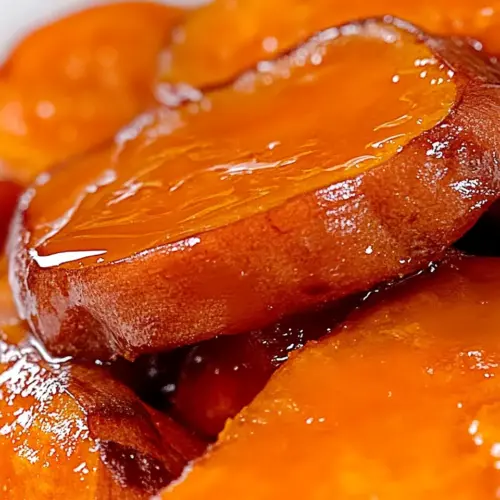
Southern Candied Sweet Potatoes
Southern Candied Sweet Potatoes deliver tender, glossy slices of sweet potatoes bathed in a warm, spiced butter and sugar glaze. This easy, comforting side is perfect for holiday tables and cozy weeknight dinners, offering a balance of sweet and warmly spiced notes. Make it for gatherings and you will understand why it disappears fast.
Equipment
- Skillet
Ingredients
- 6 medium sweet potatoes Peel and cube to provide the hearty, sweet base of the dish; roast or boil until tender to absorb the glaze and offer creamy texture contrasted with syrupy coating.
- 8 tablespoons butter Melt and brown to add rich, silky fat that carries flavor; baste and mix with sugar to create a glossy, indulgent sauce that enhances mouthfeel and richness.
- 2 cups sugar Caramelize with butter and water to form the primary sweet syrup; dissolve fully to coat potatoes and balance buttery richness with crystalline sweetness.
- 2 tablespoons water Loosen the sugar mixture and help dissolve crystals for a smooth glaze; evaporate some water during cooking to concentrate the syrup without scorching.
- 1 teaspoon vanilla extract Enhance aroma and add warm, floral vanilla notes to deepen sweetness; stir in near the end to preserve delicate perfume and round out flavors.
- 1 teaspoon ground cinnamon Warm and sweetly aromatic spice that complements sweet potatoes; sprinkle into the glaze to impart comforting depth and enhance overall warmth.
- 1/2 teaspoon ground nutmeg Offer nutty, slightly sweet warmth and complexity; use sparingly to add autumnal nuance and balance the sweeter elements of the dish.
- 1/2 teaspoon ground ginger Contribute bright, peppery warmth and a hint of citrusy bite; incorporate modestly to lift the glaze and add subtle spiciness to each bite.
Instructions
- Slice sweet potatoes into round slices, about 1/4 inch thick.: The kitchen will fill with a fresh starchy scent as you slice the sweet potatoes , and uniform thickness ensures even cooking. When slices are about a quarter inch, they soften through consistently without falling apart. If slices vary widely, some will overcook while others remain firm, so take a little extra time to match sizes. A common mistake is cutting too thin, which can lead to mushy pieces during the long simmer.
- Melt butter over medium heat in a large skillet and add sweet potato slices to the skillet.: As the butter melts you will notice a rich, creamy aroma and the surface will shimmer. Once the sweet potatoes hit the pan they will begin to sizzle faintly, picking up a gentle toasty edge. This initial contact helps coat each slice so the later glaze adheres well. Avoid high heat here, which can burn the butter and create off flavors; if you smell anything sharp, lower the burner right away.
- Pour sugar and water over sweet potatoes. Stir gently, reduce heat to low, and then cover with a lid and cook until the sweet potatoes are fork tender, about 1 hour.: When the sugar meets the warm butter and sweet potatoes you will hear a soft bubbling as the mixture begins to dissolve, and a glossy sheen will form over the slices. The water helps break down the sugar into a syrup without clumping. Stir gently so you do not mash the slices, focusing on even coating. A pitfall here is stirring too vigorously, which can break the sweet potatoes and make the dish grainy if the sugar does not fully dissolve.
- Remove from heat and stir in vanilla extract. Spoon the glaze over the sweet potatoes. The glaze will thicken as it cools.: As the pan simmers on low, steam will rise under the lid and soften the sweet potatoes , and the surface will slowly turn tender and translucent. You will hear only a quiet simmer, and the aroma becomes deeply spiced and caramelous. This long, low cook allows the flavors to meld and the glaze to thicken around the slices. Resist the urge to hurry by increasing the heat, as too much temperature will evaporate the glaze and risk burning. One mistake to avoid is lifting the lid too often, which releases steam and lengthens the cook time.
- Remove from heat and stir in vanilla extract.: Taking the skillet off the burner releases a soft cloud of warm spice, and adding vanilla extract now preserves its fragrant top notes; stir gently and you will see the glaze take on a slightly deeper color and fragrance. Spoon the glossy sauce over the sweet potatoes so each slice is lovingly coated. If you add the vanilla while the pan is scorching hot, its aroma can fade, so removing from heat first helps retain that delicate scent. A common slip is adding extract too early, which can mute its impact.
- Spoon the glaze over the sweet potatoes. The glaze will thicken as it cools.: As the dish cools in the skillet you will watch the bubbling slow and the syrup cling more tightly to each slice, creating that irresistible sheen. Use a spoon to baste so the flavors stay concentrated on top, and allow a few minutes of resting time to let the sauce set. If served immediately piping hot, the glaze may be looser, so a brief hold improves texture. Avoid storing while piping hot, as trapped steam can make the glaze watery.
Notes
- Baked Variation: If you prefer a hands off method, preheat the oven to 425º F and melt the butter in a 9 by 13 baking dish as the oven warms. Add the sugar, water, vanilla extract, and spices, then nestle the sliced sweet potatoes in a single layer, turning to coat. Bake until fork tender, about 1 hour, spooning the glaze over halfway through and covering with foil the last 30 minutes to retain moisture.
- Storage: Cool completely before transferring to an airtight container; refrigerate up to 3 days. Reheat in a 350º F oven until warmed through, about 30 minutes, then spoon warmed glaze over the slices to refresh the shine.
- Make Ahead: Assemble the baked version through coating the slices, cover tightly, and chill overnight. When ready, bring to room temperature while the oven preheats and bake as directed, checking tenderness toward the end.
- Freezing: For longer storage, freeze cooked and cooled slices in an airtight freezer container for up to 3 months. Thaw overnight in the refrigerator, then reheat gently in a 350º F oven, finishing with a spoonful of glaze to revive the surface.
- Glaze Rescue: If your glaze separates or becomes grainy, warm gently and stir until smooth, or add a splash of water and simmer on low while stirring to re-emulsify the syrup.