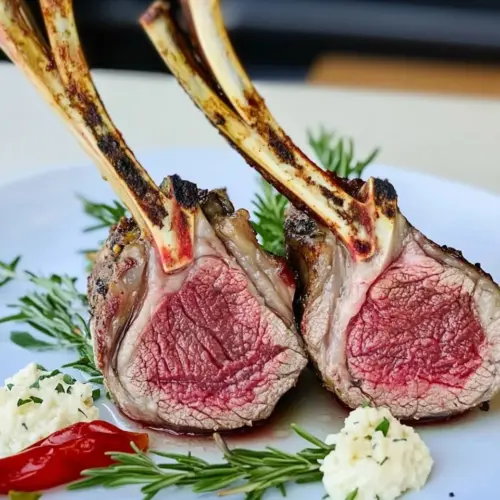
Sous Vide Rack Of Lamb
Sous Vide Rack Of Lamb delivers a silky, tender interior with a crisp, browned crust. This easy gourmet recipe uses precise sous vide cooking to achieve consistent medium rare results, ideal for an elegant dinner or special occasion. The herb blend highlights the lamb's natural flavor, making it an excellent choice for an easy weeknight dinner or impressive entertaining.
Equipment
- Sous vide circulator
- Vacuum sealer or ziplock bags
- Cast-Iron Skillet
- Tongs
- Large bowl for ice bath
Ingredients
- 1 lb Rack of lamb Frenched Season and provide the primary protein for the dish; a frenched rack of lamb offers tender, flavorful meat with exposed bones for elegant presentation. Vacuum-seal and sous vide to a precise doneness, then sear to develop a caramelized crust and depth of flavor. Rest briefly after searing to redistribute juices before slicing between the ribs for individual chops.
- 1/2 tsp Oregano dried Add warmth and Mediterranean aroma; dried oregano contributes savory, slightly bitter herbal notes that complement lamb's richness. Sprinkle into a marinade or rub to infuse during the sous vide bath, and pair with other dried herbs for a balanced herbaceous profile.
- 1/2 tsp Thyme dried Impart earthy, pine-like herbiness; dried thyme provides subtle floral and savory tones that enhance the lamb without overpowering it. Integrate into the seasoning blend or the sous vide pouch to allow slow infusion into the meat.
- 1/2 tsp Garlic dried Deliver concentrated savory and pungent garlic flavor; dried garlic offers long-lasting umami and a slightly roasted edge when seared. Rehydrate lightly in the marinade or mix with oil and butter so its flavor disperses evenly across the lamb.
- 1/2 tsp Onion dried Contribute sweet, aromatic depth reminiscent of fresh onion; dried onion adds mellow savory notes that help round the overall seasoning. Combine with other dried aromatics and fats so it hydrates and infuses during the low-temperature cook.
- 1 tsp Sea salt Enhance overall flavor and control seasoning level; sea salt brightens natural meat flavors and aids in protein denaturation for improved texture. Use measured amounts in the rub or marinade and adjust to taste after searing.
- 1/2 tsp Pepper Balance taste and add subtle heat; ground pepper gives a warm, slightly spicy edge that complements lamb's fattiness. Apply with the salt in the seasoning mix and expect heightened aroma after high-heat searing.
- 1/2 tbsp Olive oil Provide lubrication and fruity richness; olive oil helps carry herbs and spices over the meat and promotes even searing. Use to coat the rack before vacuum sealing and to finish the pan-sear for a glossy crust.
- 1/2 tbsp Butter Impart richness and aid browning; butter adds creamy, nutty notes and helps achieve a golden, flavorful crust when searing. Add to the pan toward the end of searing to baste the lamb and elevate flavor complexity.
- 1 tsp Mint fresh Liven the dish with fresh brightness; mint fresh contributes a cool, herbaceous contrast that cuts through the richness of the lamb. Chop and sprinkle as a finishing garnish or incorporate into a quick mint sauce to serve alongside.
Instructions
- Preheat the sous vide machine to 132 degrees F for medium rare sous vide rack of lamb.: The water should feel quietly warm near your hand, and once the bath reaches 132 degrees F it will emit a faint, steady hum that signals steady heat. This temperature yields a consistent rosy center, which is why I choose it for medium rare. Set the machine well before you finish seasoning, because a stable environment is crucial for even cooking. A common mistake is starting with water that is too cool, which increases cooking time and can produce uneven doneness; always confirm the readout has stabilized before adding the bag.
- Season the Frenched rack of lamb as liberally as desired with the Greek spice blend. Add lamb rack to a ziplock or vacuum sealed bag. Sous vide for 2 hours.: When you rub the dried oregano , thyme , garlic , onion , sea salt , and pepper into the meat, you should notice an herbaceous, savory perfume that clings to the surface. Placing the rack into a vacuum sealed bag locks those aromas close to the meat and concentrates the flavors as it cooks. During the two hour bath, the connective tissues relax and the texture becomes tender without losing juiciness. One troubleshooting pointer is to ensure the bag is properly sealed and free of air pockets, because trapped air causes uneven heating; if using a ziplock, use the water displacement method to push air out before sealing.
- Prepare an ice bath for when the sous vide rack of lamb is done cooking by adding cold water and a handful of ice cubes to a large bowl. When the cook time is done, transfer the sealed bag with lamb to cool in the ice bath. Sous vide meal prep tip: Once it’s cooled, you can refrigerate the sous vide rack of lamb either in the sous vide bag, or dry it and store it in the fridge for a couple days until you want to sear it to enjoy it. Bring the rack of lamb to room temperature when it’s time to finish it.: The ice bath feels brisk and crisp, and it immediately halts residual cooking when the bagged meat goes in. This rapid cool down preserves the exact doneness you achieved in the bath, and it makes holding the lamb safe for later finishing. I often refrigerate the sealed bag if I am prepping ahead, because it keeps the interior texture perfect until you are ready to sear. Avoid skipping the chill when you plan to wait, because residual heat will continue to raise internal temperature and push the doneness beyond medium rare.
- Remove lamb from the bag and pat it dry with a paper towel.: When you take the rack from the bag the aroma is concentrated, almost meaty and herb-laced, but the surface will be damp. Patting the exterior thoroughly with a paper towel is critical to achieving a proper sear, because moisture on the surface steams instead of browning. You should be able to see the skin take on a matte, drier appearance when it is ready. A mistake to avoid is rushing to the skillet with a wet surface, which prevents the Maillard reaction and yields a pale crust instead of a golden, flavorful one.
- Heat a cast iron skillet on the stove to medium high, then add oil and butter. Sear the sous vide lamb rack for 30-60 seconds on each side. Use tongs to move around the rack so various parts of the meat cook to a beautiful brown on each side.: A properly hot skillet will shimmer and emit a faint smoke that tells you it is ready. Adding the olive oil first creates a hot, even surface, and finishing with a touch of butter helps develop a nutty brown gloss. As you lay the rack in the pan you will hear an immediate energetic sizzle, and quick turns will produce even browning on the fatty cap and the bones. Aim for a deep golden crust, and listen for that satisfying crackle as the exterior caramelizes. The main pitfall here is crowding the pan, which lowers temperature and yields a steamed rather than seared exterior; sear in sections if necessary and keep tongs handy to rotate for uniform color.
- Rest the rack of lamb for at least 10 minutes before slicing it. I like to slice it with 2-3 bones in each serving, so the inside of the perfectly cooked medium rare sous vide lamb meat is on display. Sprinkle with fresh mint and serve.: After searing, the meat will smell rich and toasty, and the surface will glisten with browned butter. Resting lets the juices redistribute into the fibers, preventing them from spilling out when you slice. I like to tent the rack loosely with foil for about 10 minutes and then cut between every two to three bones so each portion displays a perfect rosy interior. A common error is slicing too soon, which causes a rush of juices to escape and yields a drier bite; patience here results in a succulent, visually appealing plate. Finish by sprinkling fresh mint over the cut slices to add a bright herbal lift before serving.
Notes
- Choose evenly sized racks to ensure uniform cooking; differing thicknesses lead to variable doneness and uneven sear results.
- Use the water displacement method with ziplock bags if you do not have a vacuum sealer, it effectively removes air and prevents floating.
- Dry thoroughly before searing, a dry surface enables the Maillard reaction which creates that delicious brown crust and complex aroma.
- Preheat your pan properly, a screaming hot cast iron yields an immediate sizzle and fast browning without overcooking the interior.
- Finish with butter and fresh mint to add a glossy sheen and a bright herbal contrast to the savory richness of the lamb.