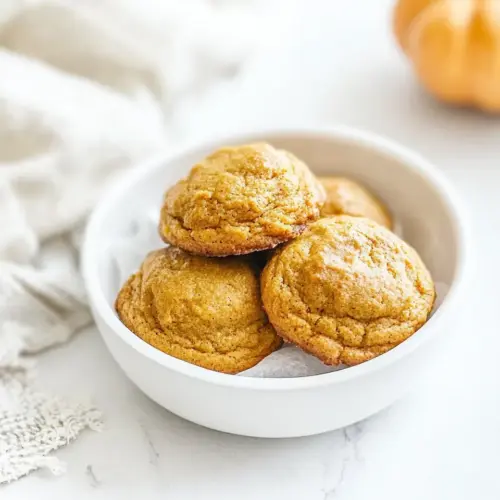
Soft Pumpkin Cookies
Soft Pumpkin Cookies are tender, spiced treats with creamy cream cheese icing and a moist crumb from pumpkin puree. These easy, cozy cookies deliver warm pumpkin pie spice notes and a melt in your mouth texture, perfect for fall gatherings and easy weeknight baking. Make a batch to share, they vanish fast and feel like an instant seasonal favorite.
Equipment
- KitchenAid 5-Quart Mixer
- Pumpkin Pie Spice
- Canned Pumpkin Puree
Ingredients
- 1/2 cup butter, softened Cream softened to room temperature so it blends smoothly into batter, providing a tender, rich fat that contributes to cookie structure and moisture. Use at room temperature to ensure even creaming with sugars and to trap air for a light texture.
- 3/4 cup granulated sugar Sweeten and help aerate when creamed with butter; granulated sugar adds structure and promotes browning via caramelization. Measure accurately to balance sweetness and texture in the cookie dough.
- 3/4 cup light brown sugar Impart deep, molasses-like sweetness and moisture; light brown sugar contributes chewiness and a subtle caramel flavor. Pack lightly when measuring to maintain consistent dough hydration and improve final cookie softness.
- 1 egg Bind and leaven mildly while enriching flavor and color; egg adds moisture, protein, and helps emulsify fats and liquids for a cohesive dough. Beat into the creamed butter and sugars until fully incorporated for uniform texture.
- 1 cup pumpkin puree Provide concentrated pumpkin flavor and moisture, creating tender crumb and a soft, cake-like cookie interior. Use canned or homemade puree without excess liquid to avoid thinning the dough.
- 1 teaspoon pure vanilla extract Enhance overall flavor with warm, floral vanilla notes that round out the sweetness and pumpkin spice. Add with wet ingredients to disperse flavor evenly throughout the batter.
- 2 cups all-purpose flour Supply bulk, structure, and gluten-forming proteins that set the cookie shape during baking; all-purpose flour balances tenderness and strength. Sift or whisk before measuring to avoid a dense final product and ensure even incorporation.
- 1 teaspoon pumpkin pie spice Contribute warm, aromatic flavors of cinnamon, nutmeg, and clove to complement pumpkin; pumpkin pie spice heightens seasonal character. Use measured amount to avoid overpowering the delicate pumpkin and vanilla flavors.
- 1/2 teaspoon baking soda Act as a chemical leavening control when combined with acidic ingredients, helping cookies spread and rise slightly. Dissolve into dry ingredients to distribute evenly for consistent texture and lift.
- 1/2 teaspoon kosher salt Balance and enhance flavors while controlling yeast/baking reactions; kosher salt sharpens sweetness and strengthens gluten network subtly. Use measured amount to prevent underseasoned or overly salty results.
- 8 ounces cream cheese, softened Soften to a spreadable consistency to create a smooth, tangy frosting that contrasts the sweet cookie base. Beat until creamy to avoid lumps and to help the frosting whip light and pipe or spread easily.
- 2 cups powdered sugar Sweeten and thicken frosting while providing a silky, smooth texture; powdered sugar stabilizes and sweetens the cream cheese mixture. Sift to remove lumps and add gradually to achieve desired frosting consistency.
- 1 teaspoon pure vanilla extract Add floral, vanilla complexity to frosting, enhancing and unifying flavors with a familiar sweet aroma. Stir into frosting at the end to preserve its aromatic qualities and avoid overbeating.
Instructions
- Preheat the oven to 350 degrees F and line a large baking sheet with a silpat mat or parchment paper.: You should feel the warmth building in your kitchen as the oven reaches temperature, and the scent of residual warmth if your oven was recently used. Preheating ensures even baking, and using a silpat mat or parchment paper prevents sticking and promotes even browning. A common mistake is not preheating fully, which causes uneven rise and dense centers, so wait until the oven signals it is at temperature before baking.
- In a large bowl, beat the butter, granulated sugar, and brown sugar together until well-mixed. If using a stand mixer, make sure to use the paddle attachment.: As you cream the butter with both sugars, listen for a change from clumpy to smooth and watch the mixture lighten in color. This aeration traps tiny air pockets that help the cookies become tender and slightly risen. Overbeating can make the dough too soft and lead to spreading, so stop when the mixture is homogenous and pale.
- With the mixer on low speed, add the egg, pumpkin puree, and vanilla extract.: When you add the egg and pumpkin puree , the batter will loosen and become glossy. The pumpkin puree brings moisture and a dense, silky feel, so incorporate it slowly to keep the emulsion stable. If you add everything too quickly, you may end up with a curdled or separated texture; mix until smooth and scrape the bowl to integrate any pockets of unmixed ingredients.
- With the mixer on low speed, slowly add the flour, pumpkin pie spice, and baking soda. Mix just until combined, you don’t want to overmix!: The moment the dry ingredients hit the wet, you will hear a muffled, thicker whir from the mixer and see the dough take on a structured appearance. Mixing briefly preserves tenderness by preventing excess gluten development. Overmixing will produce a tough cookie, so stop when you no longer see streaks of flour.
- Scoop out 1-inch balls of dough onto the prepared baking sheet, making sure to place them at least 2 inches apart. Press each of the cookies down gently to flatten them slightly.: The dough should feel moist and supple, not sticky or crumbly, and the scooped balls should hold shape. Pressing them slightly promotes even baking and encourages the characteristic soft but set center. If you space them too close, the cookies will merge into one large cookie, so keep the gap consistent.
- Bake until the edges are golden brown and the center is set, about 10-12 minutes.: Watch for the edges to take on a light golden tone while the centers remain slightly pale and springy to the touch. You should hear a quiet crackle if the edges are achieving crispness. Removing them too late will dry them out, and removing them too early will leave raw centers, so aim for that gentle spring in the middle.
- Transfer the cookies to a wire rack to cool while you make the icing.: The moment the cookies leave the oven you will smell concentrated warmth and spice. Moving them to a wire rack prevents steaming and sogginess by allowing air to circulate. Avoid stacking hot cookies which traps steam and softens edges; let them cool until they reach room temperature before frosting.
- Beat the softened cream cheese on medium speed until smooth, about 30 seconds.: The cream cheese should whip into a silky, pale cream without lumps. A short beat time prevents overheating and melting which would make the icing runny. If the cream cheese is not fully softened, you will get clumps, so let it soften to room temperature before starting.
- With the mixer on low, slowly add the powdered sugar, about 1/4 cup at a time.: Adding powdered sugar gradually helps maintain a smooth texture and prevents a cloud of sugar from escaping the bowl. As you incorporate it, the frosting will thicken and take on a satiny sheen. Add too quickly and you risk a gritty texture or a sugar cloud, so be patient and mix until fully integrated.
- When the sugar has been fully incorporated, add the vanilla and mix to combine. Scrape down the sides of the bowl as needed.: The vanilla extract brightens the frosting and ties it to the cookie flavors. Scraping ensures no pockets of sugar or cream cheese are left behind, resulting in an even, spreadable icing. If you skip scraping, you may end up with uneven sweetness or texture in the frosting.
- Frost each of the cookies with 1 tablespoon of icing and top with a pinch of pumpkin pie spice if desired.: The creamy cream cheese frosting should spread smoothly and hold its shape without sliding off. Taste a dab to check balance, then apply about a tablespoon per cookie for a pleasant proportion. Too much frosting can overpower the cookie, while too little will not provide the intended contrast, so measure roughly to get consistent results.
- Store leftover cookies in an airtight container in the fridge for up to two days.: Cooling and refrigerating helps the cream cheese frosting stay fresh and prevents spoilage. Place parchment between layers to avoid sticking. Leaving them at room temperature for extended periods risks the frosting softening or becoming unsafe to eat, so refrigerate if not serving within a few hours.
Notes
- Adjust sweetness: If you prefer a less sweet cookie, reduce the granulated sugar or the powdered sugar in the icing slightly, tasting the batter before baking to ensure balance.
- Control moisture: If your dough seems too wet from the pumpkin puree, chill it for 15 to 20 minutes to firm up before scooping, which prevents excessive spreading.
- Manage spice level: Increase or decrease the pumpkin pie spice to suit your palate, adding a small pinch at a time and tasting a tiny bit of batter for guidance.
- Frosting texture: For a stiffer icing, add a bit more powdered sugar; for a silkier spread, add a teaspoon of milk or cream sparingly, mixing to the desired consistency.
- Make ahead: Bake the cookies and freeze unfrosted for up to one month, then thaw and frost within a few hours of serving for fresher texture.