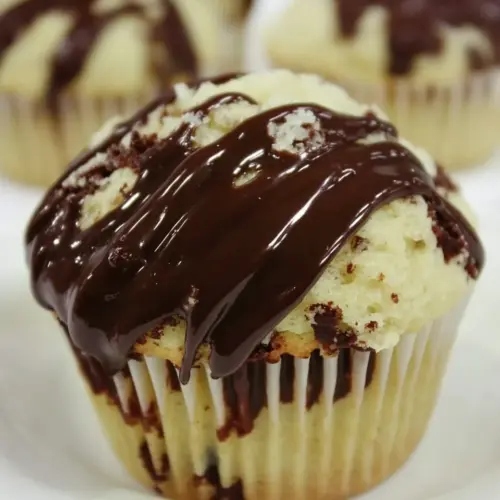
Snikerdoodle Muffins with Kahlua Chocolate Ganache
Snikerdoodle Muffins with Kahlua Chocolate Ganache deliver a tender, cinnamon scented crumb topped with a crisp cinnamon crumble and a silky, bittersweet chocolate finish. Rich but approachable, these muffins combine cozy spices and glossy ganache for a memorable treat, perfect for brunch or an indulgent snack. Make a batch to share, and enjoy a balance of texture and deep chocolate notes that'll have guests asking for the recipe.
Equipment
- Mixing Bowls
- Whisk
- Rubber spatula
- Saucepan
- Heatproof Bowl
- Muffin Tin
Ingredients
- Cinnamon crumble: Provides a crunchy, cinnamon-sugar topping that contrasts with the tender muffin interior; combine with butter to form coarse crumbs that bake golden and flavorful. Enhances aroma and adds a nostalgic snickerdoodle character to each bite.
- 2/3 cups sugar Sweetens the crumble and batter when divided; dissolves readily to create a balanced sweetness that caramelizes in the crumble. Helps create texture in the topping and contributes to moistness in the muffins.
- 1/3 cup flour Adds structure to the crumble by absorbing butter and holding the sugar together; helps form small, sandy crumbs that crisp during baking. Contributes a subtle bready note and prevents the topping from becoming greasy.
- 1 tablespoon cinnamon Imparts the signature warm spice of snickerdoodles; blend into the crumble for an even cinnamon flavor that perfumes the muffins. Works with sugar to deliver the characteristic sweet-spicy profile.
- 4 tablespoons butter softened Binds the crumble ingredients while providing richness and flavor; soften and cut into the dry mix to create tender, flaky crumbs. Melts slightly during baking to help the topping adhere to the muffin surface.
- Batter: Forms the muffin base; indicates the transition to the batter ingredients that build structure, moisture, and rise for the final product. Ensures clear separation between topping and main components for recipe organization.
- 2 cups flour Delivers the primary dry structure for the muffins; combine with leaveners and liquids to create the batter that holds air and crumb. Provides starch and gluten to give lift and chew when mixed properly.
- 1 teaspoon baking powder Leavens the batter by producing gas during baking to create light, tender crumb; use in coordination with baking soda and acidic components for balanced rise. Ensures consistent volume and texture in each muffin.
- 1/2 teaspoon cinnamon Reinforces the snickerdoodle flavor throughout the batter with a mild warm spice; distribute evenly to avoid pockets of intense spice. Complements the crumble cinnamon for cohesive flavor.
- 1/2 teaspoon salt Balances flavors and strengthens the batter by controlling yeast or chemical interactions; small amounts help regulate gluten development and enhance taste perception. Keeps sweetness from becoming cloying and allows other flavors to shine.
- 1/4 teaspoon baking soda Boosts rise and reacts with acidic components like yogurt to create additional lift; measure carefully to avoid soapy off-flavors and excessive rise that collapses. Works with baking powder for an ideal muffin crumb.
- 3 eggs Provides richness, structure, and stability in the batter; whisk to incorporate air and help emulsify fats and liquids. Contributes to texture and mouthfeel while aiding leaveners in producing a tender crumb.
- 3/4 cups sugar Adds sweetness and contributes to tenderizing the crumb by interacting with liquids and fats; dissolves into the batter and aids browning during baking. Helps balance the tang of yogurt and the spice of cinnamon.
- 1 stick butter melted Introduces fat for moisture and richness; melted butter integrates smoothly with other wet ingredients to produce a cohesive batter. Encourages tender crumb and adds a subtle buttery flavor.
- 1 cup Greek yogurt fat free is fine Supplies moisture, acidity, and a tangy richness that activates baking soda for lift; choose fat-free Greek yogurt for lower fat while retaining structure. Helps produce a tender, moist muffin with a slight tang reminiscent of classic snickerdoodles.
- 1 teaspoon vanilla Adds fragrant sweetness and depth to the batter; stir into wet ingredients to evenly distribute perfume without creating pockets. Rounds out flavors and enhances perception of vanilla and cinnamon.
- Chocolate Ganache: Signals the start of the ganache components that will top the cooled muffins; introduces the chocolate sauce section for finishing and flavor contrast. Distinguishes finishing elements from the batter and crumble.
- 6 ounces semi-sweet chocolate Provides the chocolate base for the ganache, melting into a glossy, rich coating that complements the cinnamon flavors; choose semi-sweet for balanced bittersweet notes. Determines ganache texture and intensity when combined with cream.
- 1/2 cup half and half Creates a smooth, pourable ganache when warmed and mixed with chocolate; half and half yields a creamy consistency without being overly heavy. Controls the ganache viscosity and mouthfeel for dipping or drizzling.
- 1/2 tablespoon butter Adds sheen and a touch of richness to the ganache; melt in with chocolate and cream for a glossy finish. Helps create a silkier, more luxurious topping that sets attractively.
- pinch of salt Enhances overall flavor by heightening sweetness and balancing bitterness; a small pinch of salt brings out chocolate and cinnamon nuances. Prevents the ganache from tasting flat and rounds the profile.
- 1/2 teaspoon vanilla Boosts aroma and rounds the ganache with a warm, floral vanilla note; stir in after melting to preserve its fragrance. Harmonizes the chocolate and Kahlua for a cohesive finishing sauce.
- 1/8 cup Kahlua Impregnates the ganache with coffee-laden liqueur flavor, adding adult complexity and depth; incorporate sparingly to avoid thinning the sauce excessively. Offers a mocha-like nuance that complements semi-sweet chocolate and cinnamon.
Instructions
- Preheat oven to 350 degrees.: The moment you set the oven to 350 degrees you will notice a faint warmth building in the kitchen, and that preheated environment is crucial for proper rise and an even bake. The dry heat encourages the edges to set quickly, helping the crumb develop height while the top browns. A common mistake is putting batter into a cold oven which yields dense, under risen muffins, so wait until the oven has fully come to temperature. If your oven runs hot or cold, use an oven thermometer to verify accuracy. For sensory cues, the oven should feel steadily warm when you open it after a few minutes, and the initial blast of heat helps the batter begin its spring right away.
- Line 12 cupcake tins with liners.: Lining the tin makes removal effortless and preserves the tender edges of the muffins, and it also makes the presentation neater when you serve. As you press liners into each well, you'll feel the thin paper conform to the shape, which prevents batter from sticking to the pan. One trap is overfilling the cups without liners, which can cause tearing when you extract the muffins; liners mitigate that risk. If you do not have liners, lightly grease the wells and dust with flour for a similar nonstick effect. The visual cue that you are ready for batter is a clean, evenly lined tray with smooth paper in each well.
- Chop semisweet chocolate and put in a heatproof bowl. Bring half and half, butter and a pinch of salt to a simmer in a saucepan over medium heat; pour over the chocolate and let sit until completely melted, about 10 minutes. Stir with a rubber spatula or whisk until smooth. Whisk in vanilla and Kahlua. Set aside.: When you chop 6 ounces semi-sweet chocolate into small, even pieces and transfer them to a heatproof bowl, you create uniform melting which prevents scorching. As the chopped pieces glint and pile in the bowl, you can foresee the glossy ganache to come. A frequent error is adding large chunks that do not melt evenly, resulting in grainy sauce; aim for similar sized pieces so the hot liquid melts them quickly and smoothly. The texture you want after whisking is shiny and fluid, not grainy or separated.
- Mix 2/3 cup sugar, 1/3 cup flour and 1 tablespoon cinnamon in a medium mixing bowl; mash in softened butter. Set aside.: Heating 1/2 cup half and half with 1/2 tablespoon butter until it just simmers releases steam and aromas that coax the chocolate into melting perfectly. You will see tiny bubbles forming at the edge of the saucepan and smell a warm, rich scent, which means it is ready. Do not let it boil vigorously, as aggressive boiling can cause the cream to scorch or separate. A common oversight is leaving the pan unattended until it boils over; watch for that delicate simmer and remove from heat promptly. This gentle approach ensures your ganache becomes silky instead of grainy.
- Mix 2 cups flour, 1 teaspoon baking powder, 1/2 teaspoon each cinnamon and salt, and 1/4 teaspoon baking soda in large bowl. Whisk 3 eggs, 3/4 cup sugar, 1 stick melted butter, 1 cup sour cream and 1 teaspoon vanilla; fold into the flour mixture. Fold in a half cup of the cinnamon crumble mixture. Fill the muffin tins halfway full. Place a dollop of the chocolate ganache in each tin and top with the remaining batter, you want to leave about 1/3 of the ganache for topping. Sprinkle the rest of the cinnamon crumble on top. Bake 20 to 25 minutes.: After pouring the hot cream over the chopped chocolate, allow it to rest undisturbed so residual heat melts the pieces slowly, producing a smooth emulsion; you will notice the mixture gradually losing its distinct chunks and becoming glossy. Letting it sit for about 10 minutes helps prevent overworking and introducing air, which keeps the ganache dense and silky. A common pitfall is stirring immediately with vigor, which can trap air and make the texture lighter than intended; instead, wait and then stir gently. The correct sign is a cohesive, shiny mixture when you whisk it, not streaks of unmelted chocolate.
- Allow to cool and drizzle with the remaining ganache.: Gentle stirring coaxes the melted chocolate and cream into a unified glossy ganache, and you will feel the viscosity change as it comes together, becoming more fluid and shiny. Use a rubber spatula or whisk to fold from the center outward, ensuring any remaining bits melt into the warm cream. Rushing this step or using cold utensils can lead to uneven texture, so be patient and scrape the sides thoroughly. The smell will be deeply chocolatey and inviting when the ganache is fully smooth.
- Whisk in vanilla and Kahlua: Adding 1/2 teaspoon vanilla and 1/8 cup Kahlua after the ganache has smoothed amplifies flavor without thinning the texture. You will detect a subtle coffee note lifting the cocoa, creating a layered aroma. If you add these while the mixture is too cool, they will not incorporate as cleanly, so ensure the ganache is warm. One mistake is adding alcohol before the ganache has settled, which can create separation; add once smooth and gentle whisking will fully blend the additions. The final ganache should smell complex and look glossy.
- Set aside: Letting the ganache rest allows it to thicken to a spreadable consistency, and as it cools you will notice it lose some gloss and become denser, perfect for dolloping into muffin centers. If it becomes too firm before use, warm it briefly over a simmering water bath to loosen. Avoid chilling it solid in the refrigerator which can make it difficult to spoon; instead, aim for a thick but pourable stage. The tactile cue is a spoon leaving a clean trail without running immediately like a sauce.
- Mix 2/3 cup sugar 1/3 cup flour and 1 tablespoon cinnamon in a medium mixing bowl mash in softened butter: Combining crumble ingredients and mashing in 4 tablespoons butter softened creates a sandy, clumpy mixture that will crisp up on top of each muffin. You will feel small clumps form as the butter binds the dry ingredients, and smelling the ground cinnamon gives a preview of the toasted aroma after baking. Overworking this can turn it paste like, so stop when you have coarse crumbs. If you skip mashing and leave ingredients dry, the topping will not cohere and will fall apart during baking.
- Set aside: Allowing the crumble to rest ensures the butter firms slightly and the texture holds when you handle it, and it keeps the components ready while you prepare the batter. Resting also gives you a chance to tidy your workspace. A common oversight is forgetting the crumble and using it cold from the fridge which can compress instead of crisping properly; room temperature crumbs perform best. Look for a sandy texture with small clumps before applying to muffins.
- Mix 2 cups flour 1 teaspoon baking powder 1/2 teaspoon each cinnamon and salt and 1/4 teaspoon baking soda in large bowl: Combining the dry ingredients evenly ensures uniform leavening and spice distribution, and you will notice the bowl smelling faintly of cinnamon as you whisk. Sifting or whisking breaks up any clumps and prevents pockets of baking powder which can create uneven rise. A mistake is adding liquids directly to unmixed dry ingredients which risks uneven texture; thorough mixing is the guard against that. The correct cue is a homogenous pale mixture with no visible streaks of leavening or spice.
- Whisk 3 eggs 3/4 cup sugar 1 stick melted butter 1 cup sour cream and 1 teaspoon vanilla: When you whisk these wet ingredients together, the mixture becomes cohesive and slightly glossy, with a pale color from the eggs and sugar combining. The melted butter and sour cream bring richness and moisture, and the vanilla lifts the overall aroma. Be sure the melted butter is not too hot or it can cook the eggs; temper if necessary. Overbeating can introduce too much air for a dense muffin style; aim for smooth and combined rather than fluffy like a cake batter.
- Fold into the flour mixture: Gently folding the wet mixture into the dry prevents over developing the gluten, which keeps the muffins tender, and you will see the batter come together into a thick, slightly lumpy mass. Use a spatula and fold with a few deliberate turns until streaks disappear. A common mistake is vigorous mixing which results in tough muffins, so resist the urge to overwork. The visual sign of readiness is when the majority of dry streaks are gone but small lumps remain.
- Fold in a half cup of the cinnamon crumble mixture: Incorporating half of the crumble into the batter creates pockets of spiced crunch throughout, and you will notice specks of cinnamon distributed in the pale batter. Folding at this stage preserves the crumb structure while adding textural interest. If you stir too roughly, the mix will deflate and the pockets will blend away, so fold gently. The batter should look marbled in places where the crumble has been added.
- Fill the muffin tins halfway full: Filling each lined cup to about half tells you there is room for rise and for adding ganache in the center, which prevents overflow. You will see smooth domes form as the batter bakes if the cups are not overfilled. A trap is overfilling which leads to flat or cracked tops and mess; keep an eye on levels. The cue is a visible space above the batter where the muffin can puff during baking.
- Place a dollop of the chocolate ganache in each tin and top with the remaining batter you want to leave about 1/3 of the ganache for topping: Nestling a spoonful of ganache into the center creates a delicious molten core, and when you cover it with more batter you create a sandwich effect that yields a gooey pocket after baking. As you spoon the ganache into each cup, you can sense its thickness by how it holds shape without sinking immediately. Be careful not to push it to the edges where it may leak, and reserve about one third for finishing on top. The visual cue before baking is a neat mound with a glossy center visible in some cases.
- Sprinkle the rest of the cinnamon crumble on top: Topping with the remaining crumble gives the muffins a crunchy, spiced crown that browns attractively and signals the snickerdoodle inspiration. The small clumps will crisp, and you will see golden specks form around the edges as they bake. Avoid pressing the topping in which can weigh down the batter; light sprinkling is best. When baked, the crumble should be golden and slightly crisp to the touch.
- Bake 20 to 25 minutes: During the 20 to 25 minutes bake, the muffins will rise, the tops will set, and the crumble will brown; you will smell rich cinnamon and chocolate mingling in the oven as evidence. Use a toothpick in the muffin edge to check doneness, noting that a crumb around the ganache may be moist, which is okay. A common mistake is overbaking which dries the muffins, so check early at the 20 minute mark. The visual cues are domed tops that are golden and a firm spring when pressed lightly.
- Allow to cool and drizzle with the remaining ganache: Cooling lets the crumb set and prevents the ganache from sliding off when applied, and as the muffins cool you will notice steam fade and the aroma mellow. Drizzling the reserved ganache creates a glossy, attractive finish, and if it thickened too much you can warm it slightly to pour. Avoid drizzling while muffins are very warm or the ganache may run excessively; wait until they are just warm to the touch. The ideal look is a shiny ribbon of chocolate gliding over the textured crumble.
Notes
- Measure flour correctly by spooning it into the measuring cup and leveling with a knife to prevent packing, which leads to heavy muffins.
- Keep ingredients at the right temperature because room temperature eggs and slightly cooled melted butter incorporate more evenly, preventing curdled or separated batter.
- Chop chocolate finely to ensure the ganache melts uniformly when you pour the hot cream, avoiding grainy texture or unmelted bits.
- Do not overwork the crumble while mashing in the butter; stop when you have coarse clumps so the topping crisps rather than becomes paste like.
- Reserve ganache for drizzling and cool the muffins slightly first, so the topping adheres without running off and creates a polished finish.
- Test doneness at the edge rather than the center near the ganache, since a bit of moistness around the filling is normal and does not indicate underbaking.