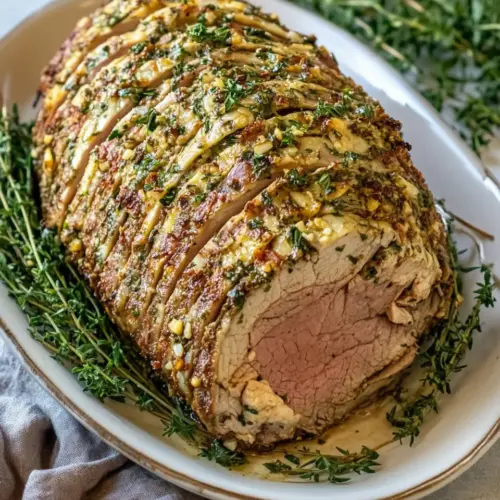
Smoked Eye of Round
Smoked Eye of Round is a tender, smoky roast with an herbaceous crust and a tangy horseradish sauce. This easy weeknight dinner or gathering centerpiece offers juicy medium rare slices with bold, savory flavors and a creamy, bright condiment. It's a crowd pleasing recipe that scales well and rewards patience, making it a great reason to fire up the smoker.
Equipment
- Smoker
- Food processor or blender
- Instant read thermometer
- Wooden cutting board
Ingredients
- 4 pound eye of round roast Trim and tie as needed before smoking to ensure even cooking; primary protein providing hearty texture and beefy flavor for the dish. Marinate or rub to enhance smokiness, then slow-smoke until desired doneness and allow to rest for juicy slices.
- 2 tablespoons extra virgin olive oil Coat the roast lightly to help herbs and spices adhere while adding a fruity, peppery fat that enhances mouthfeel and prevents drying during smoking. Use sparingly to promote crust formation and to carry other flavors into the meat.
- 2 tablespoons mayonnaise Bind and add creaminess to sauces or dressings accompanying the smoked roast; contributes a tangy, rich texture that mellows sharp flavors. Use in both marinade mixtures and finishing spreads for a smooth, balanced accompaniment.
- 1 tablespoon horseradish Add pungent heat and a sharp, sinus-clearing bite to rubs or sauces that complements the rich beef; works well mixed into creamy condiments for a zesty finish. Use sparingly to avoid overpowering the smoke and beef flavors.
- 5 garlic cloves Crush or mince to release aromatic compounds that infuse the roast with savory depth; fresh cloves contribute warmth and umami to rubs and compound butters. Roast or include raw in marinades depending on desired intensity.
- 1 shallot Mince finely to contribute mild oniony, sweet, and aromatic notes that brighten the overall flavor profile; blends well into rubs, marinades, or finishing sauces. Use raw in sauces for sharpness or cook slightly to soften its bite.
- 1/2 tablespoon peppercorns Crush to release bright, floral, and slightly citrusy heat for inclusion in rubs or brines; peppercorns add a complex spiciness that complements smoky beef. Lightly cracked for noticeable texture or ground for uniform distribution.
- 1 teaspoon coarse sea salt Dissolve and distribute savory seasoning to enhance the meat's natural flavors and help balance fat; salt draws moisture during resting and improves crust formation. Use with care to avoid oversalting during long smoking times.
- 1 tablespoon fresh rosemary leaves Chop or mince to release woody, pine-like aromas that pair excellently with beef and smoke; rosemary adds an aromatic, savory quality to rubs or herb butter. Use fresh leaves to prevent bitterness and to provide bright herbal notes.
- 1 tablespoon fresh thyme leaves Strip leaves to impart subtle lemony and floral notes that brighten the rich beef flavor; thyme adds delicate herbal complexity when used in rubs or compound butters. Combine with other herbs for layered aromatic profiles.
- 1 cup mayonnaise Provide additional creaminess and a tangy base for sauce or condiment served with sliced smoked roast; mayonnaise helps carry horseradish and garlic flavors while smoothing spice. Use as a backing for dipping sauces or as a spread on sandwiches.
- 2 tablespoons horseradish Boost heat and sharpness in condiments and sauces to cut through fat; doubling horseradish strengthens the pungent kick against smoky beef. Blend into mayonnaise-based sauces for a balanced piquant accompaniment.
- 1 teaspoon garlic paste or fresh minced garlic Add concentrated garlic flavor in a convenient form to evenly distribute savory notes through sauces and rubs; paste or minced fresh works well depending on desired intensity. Use to layer umami and aromatic character without large pieces.
- 1/2 teaspoon ground black pepper Season lightly to provide a subtle background heat and peppery aroma that enhances the smoked beef without overwhelming it. Use measured amounts in rubs or sauces to maintain balance with other seasonings.
- 1/2 teaspoon salt Season gently to finish sauces and control overall saltiness in the final dish; small amounts are crucial for flavor balance, especially when combined with earlier salt in rubs. Taste and adjust at the end to avoid oversalting.
Instructions
- Preheat the smoker to 225°F for 15 minutes with the lid closed.: You will notice the stainless steel warming and a faint haze of smoke filling the chamber, which sets a steady, gentle cooking environment. Preheating stabilizes the heat so the roast begins cooking evenly the moment it goes on the grates, preventing initial temperature shock that can toughen lean meat. If the smoker temperature bounces, keep the lid closed and wait until it stabilizes before adding the roast, as frequent door opening lets heat and smoke escape and will extend cooking time.
- Blot roast with a paper towel to dry. This will help the paste to adhere as it smokes.: The surface should feel dry to the touch, and removing excess moisture helps the paste adhere and form a proper crust. A damp roast can steam rather than smoke, producing a pale, less textured exterior. Be careful not to over handle the meat, and blot rather than rub to keep the muscle fibers intact.
- Add olive oil, mayonnaise, horseradish, garlic cloves, shallot, peppercorns, sea salt, rosemary, and thyme leaves to a food processor or blender and blend into a paste, about 30 seconds.: When blended the paste should be cohesive and aromatic, releasing herbal oils and garlic scent as you pulse. This emulsion helps carry flavor into the roast and promotes browning as fats hit the smoker heat. If the paste is too thin, it will run off the roast, so pulse until it clings; if it is too thick, add a teaspoon of olive oil at a time. A common error is under blending, which leaves large pieces that can burn rather than mellow with smoke.
- Coat the roast with the paste.: Rub the paste over every surface until the roast is evenly coated, pressing lightly so the mixture adheres. You should be able to see a glossy herb crust beginning to form even before the smoke hits. This coating locks in seasonings and creates the textural contrast we want. Avoid piling paste on one side, as uneven coating leads to uneven crust and patchy flavor.
- Place roast directly onto the smoker grates. Smoke until internal temperature reaches 125°F. Cooking times may vary, so it is important to go by the temperature rather than the time. For me, this took just under 4 hours.: As the roast smokes, listen for the light whisper of smoke and watch the exterior turn deeper and fragrant, with herbal oils seeping and caramelizing. Relying on the internal temperature ensures you hit the desired medium rare for a lean roast while avoiding dryness. Use a probe thermometer placed near the center, and resist guessing by time, because smoker airflow and meat size affect timing. A typical mistake is removing the roast strictly by clock; trust the temp instead.
- Remove the roast from the smoker and place it on a wooden cutting board. Drape a sheet of foil over the top and form into a tent over the roast. Allow the meat to rest for 30 minutes before slicing. The meats temperature will rise 7 to 10 degrees as it rests. Aim for medium-rare for this cut of meat as it can get tough if cooked too long.: The board will absorb a little surface heat and feel warm under the roast, and you will notice the crust has a richer color and a confident aroma. Drape a sheet of foil over the top and form into a tent over the roast to trap gentle heat without steaming. Resting for 30 minutes allows juices to redistribute, and the internal temperature will rise 7 to 10 degrees, finishing the cook. If you skip resting, juices will run out when slicing, leaving the meat drier than intended.
- Place the sauce ingredients in a bowl. Whisk until combined well.: Combine the second measure of mayonnaise , horseradish , garlic , ground black pepper , and salt and whisk until smooth. The sauce should be glossy and slightly tangy with a peppery aroma. It complements the smoky roast with bright contrast and creamy texture, aiding each bite. Avoid over thinning; a watery sauce will not cling to slices and will dilute the flavor balance.
- Thinly slice the roast and serve it with horseradish sauce on the side.: Use a sharp carving knife and slice against the grain into thin, almost translucent pieces to maximize tenderness, and you will see the rosy interior framed by the seasoned crust. The slices should yield easily and feel juicy on the plate, with the sauce offering a clean, spicy counterpoint. If slices tear or feel tough, the meat was likely overcooked or sliced with the grain, so adjust for next time.
Notes
- Adjust smoke level: If you prefer a milder smoke note, use a fruit wood or reduce the amount of wood chips; for stronger smoke, use hickory sparingly. Monitor the aroma during the first hour to find the balance you like.
- Temperature monitoring: Use a probe thermometer set to alert at 120°F then check every 5 minutes; this gives you control to catch the final few degrees without overshooting.
- Make the paste ahead: You can blend the paste a few hours in advance and refrigerate, which deepens flavors; bring it back to near room temperature before coating so it spreads easily.
- Holding strategy: If you need to hold the roast after resting, keep it loosely tented in a warm oven set to about 150°F so it stays comfortable for serving without cooking further.
- Slicing thickness: For sandwiches slice extra thin, for plated dinners slice slightly thicker; always cut against the grain to maintain tenderness and mouthfeel.