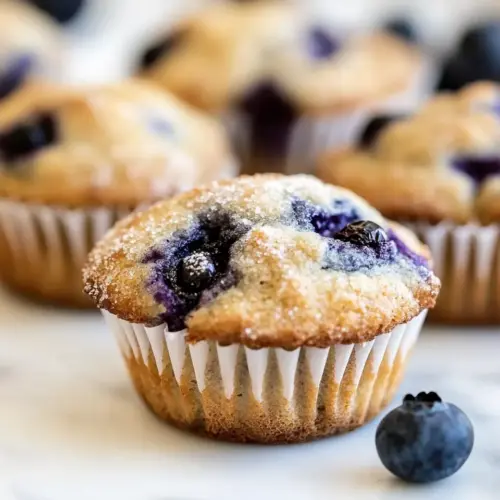
Small batch Blueberry Muffins
Small batch Blueberry Muffins are tender, berry studded treats with a moist crumb and bright citrus hint. These easy to make muffins bake quickly and are ideal for a small household or impromptu breakfast. With juicy blueberries and a touch of coarse sugar on top, they feel bakery made without the fuss, making them perfect for quick weekend mornings or thoughtful neighbor gifts.
Equipment
- Muffin Tin
- Mixing Bowls
- Whisk
- Rubber spatula
- Measuring Cups
- Cooling rack
Ingredients
- 1/2 cup (60 g) all-purpose flour Provides structure and tenderness to the muffins by forming the gluten network when mixed with liquids; sift or spoon into the measure for light, consistent results and avoid overmixing to keep crumbs tender.
- 3/4 teaspoon baking powder Leavens the batter by releasing carbon dioxide when combined with moisture and heat; ensure it is fresh and evenly distributed to give a reliable rise and airy crumb.
- 1/8 teaspoons salt Balances flavor and enhances other ingredients while slightly strengthening gluten; use fine salt measured precisely to avoid overpowering the batter.
- 1/4 cup (50 g) granulated sugar Adds sweetness and helps with browning and texture by tenderizing the crumb; granulated sugar should be mixed into the dry ingredients for even distribution.
- 3 tablespoons vegetable oil Contributes fat for moistness and tenderness, promoting a soft crumb and helping carry flavor; measure accurately and incorporate into the wet ingredients to emulsify the batter.
- 1 large egg white Provides protein that helps set the muffin structure without the richness of a whole egg; whisk gently and fold into the wet mixture for lightness.
- 3 tablespoons sour cream Adds moisture, tang, and richness that react with leavening to create lift; use at room temperature for smooth incorporation and a tender, slightly tangy crumb.
- 1/2 teaspoon vanilla extract Enhances aroma and rounds flavors by adding sweet, warm notes; measure small quantities and add to the wet ingredients for even flavor distribution.
- 1/4 teaspoon lemon zest optional but extra delicious Brightens flavor with citrus oils and adds a fresh aromatic note; finely grate only the colored zest and fold in for subtle brightness without bitterness.
- 1/3 cup blueberries Contributes bursts of juicy flavor and texture contrast while adding visual appeal; gently fold in to avoid crushing and maintain whole berry pockets in the muffins.
- 1 teaspoon sanding sugar for topping Provides a sparkly, crunchy finish that enhances appearance and adds a pleasant textural contrast on top of the muffins; sprinkle lightly before baking for a decorative touch.
Instructions
- Preheat your oven to 375°F and line a muffin tin with 4 liners.: The warm oven sets the structure right away, creating that initial burst of lift that gives a pleasing dome. As the oven heats, you will notice a faint, dry warmth rise from it, and that steady heat allows the leavening to act consistently. A common mistake is not preheating long enough, which can leave the muffins flat and undercooked; always wait until the oven reaches the full temperature. Using liners helps with clean removal and prevents sticking, and you can see how a fully preheated oven starts to brown edges faster, which is the visual cue that the oven is ready.
- In a small bowl, whisk together flour, baking powder, and salt.: Whisking incorporates air and evenly distributes the leavening, which means the rise will be uniform and the crumb will bake consistently. When you whisk, listen for the soft, dry whisper of powder against the bowl and watch the surface take on a slightly aerated look. If you skip this step or stir unevenly, you risk pockets of baking powder that lead to uneven rise or metallic pockets of flavor. Aim for a homogenous pale mixture before moving to the wet ingredients.
- In a medium bowl, whisk together sugar and oil. Add egg white, sour cream, vanilla, and lemon zest. Whisk until smooth. Stir in flour mixture until just combined (do not over mix!). Fold in blueberries.: This step creates a glossy base for the batter and helps dissolve the sugar somewhat into the oil so the texture is silkier. The mixture should look smooth and slightly viscous, catching the light as you stir. People sometimes add the egg white too early or overbeat here, which can introduce too much air and give an odd texture, so whisk just until smooth. This combination also helps the sour cream incorporate more evenly when added next.
- Divide batter between prepared muffin cups, filling each just under 2/3 full. Sprinkle 1/4 teaspoon sanding sugar over the tops of each muffin.: These ingredients bring moisture, tang, and aroma, and when combined you should notice a subtle perfume of citrus and vanilla. The sour cream adds body and a slight tang that keeps the crumb from tasting flat, while the egg white strengthens the structure. A common pitfall is adding cold ingredients that cause the batter to seize or curdle; bring refrigerated items to room temperature for a more cohesive mix. Once integrated, the wet mix should look glossy and uniform, ready to meet the dry ingredients.
- Bake for 17 to 21 minutes, until a toothpick inserted into the center comes out with just a few dry crumbs and when gently pressed, the top of the muffin springs back.: A smooth wet batter ensures even texture and that the sour cream and oil are fully incorporated. You should not see streaks of white or lumps; the batter should flow in a ribbon when lifted with a spatula. Avoid overwhisking which can incorporate too much air and make the muffins dry or coarse. If you see tiny unmixed flecks, a few gentle stirs will finish the job without compromising texture.
- Cool in the pan for 5 minutes before transferring to a cooling rack.: Gentle folding keeps the gluten development minimal, producing a tender crumb. At this point, the batter should show a few streaks of flour that disappear after a few folds, and you will feel it thicken slightly under the spoon. The right moment to stop is when no dry flour pockets remain; overmixing here is the most common error and leads to tunnels and a tough muffin. Use a rubber spatula and fold with a lifting motion to preserve air and tenderness.
- Fold in blueberries: Folding in blueberries at the end prevents crushing and color bleed. You want the fruit to remain mostly intact so you get juicy pockets rather than blue streaks throughout the batter. A gentle hand with a few deliberate folds is ideal; too vigorous mixing will crush the berries and change the batter color and texture. If using frozen berries, fold them in while still slightly frozen to help them stay suspended rather than sink.
- Divide batter between prepared muffin cups, filling each just under 2/3 full: Portioning evenly helps the muffins bake at the same rate and gives uniform domes. You should see the batter sit slightly below the rim, with a soft mound forming in the center. Overfilling causes spillover and underfilling yields flat tops, so aim for that just under 2 to 3 third mark. If the batter varies, the muffins will bake unevenly, so I use a small scoop or measuring cup for consistent amounts.
- Sprinkle 1/4 teaspoon sanding sugar over the tops of each muffin: The coarse sugar creates a delicate, crackly top that catches the light and adds a pleasant crunch. When sprinkled, you will see the crystals glint against the batter, and they will melt slightly in the oven to form a thin, sweet crust. If you skip this, the muffins will still taste fine but will lack that little textural surprise. Be judicious with the sugar so it does not overwhelm the berry flavor.
- Bake for 17 to 21 minutes, until a toothpick inserted into the center comes out with just a few dry crumbs and when gently pressed, the top of the muffin springs back: The oven transforms the batter into tender crumb and golden tops, and the smell becomes warmly fragrant. Look for a pale golden color at the edges and a gentle bounce when you touch the crown. A common mistake is pulling them out too early; underbaked muffins collapse as they cool. If the tops brown too fast, lower the oven temperature slightly next time or tent loosely with foil halfway through baking.
- Cool in the pan for 5 minutes before transferring to a cooling rack: This resting period lets the interior finish setting and reduces the chance of the muffins breaking when removed. You will notice a slight firmer texture at the edges after those five minutes, and lifting them to a rack prevents sogginess from trapped steam. Leaving them in the pan too long can cause condensation and a denser bottom, so transfer promptly but gently.
Notes
- Measure flour accurately — Spoon the all purpose flour into a measuring cup and level it with the back of a knife to avoid compacting, which prevents a dense muffin.
- Fresh leavening is essential — If the baking powder is old, the muffins will not rise properly, so replace it if it has been in your pantry for months.
- Keep berries intact — Fold in the blueberries with a gentle hand to preserve shape and avoid blue streaks through the batter.
- Mind the oven temperature — An oven thermometer helps, because a slightly hot oven browns the top too fast while the center remains undercooked.
- Use room temperature dairy — Let the sour cream and the egg white sit briefly at room temperature for a smoother batter and even baking.
- Swap finishing sugar if needed — If you do not have sanding sugar, use regular granulated sugar for a bit of crunch on top.