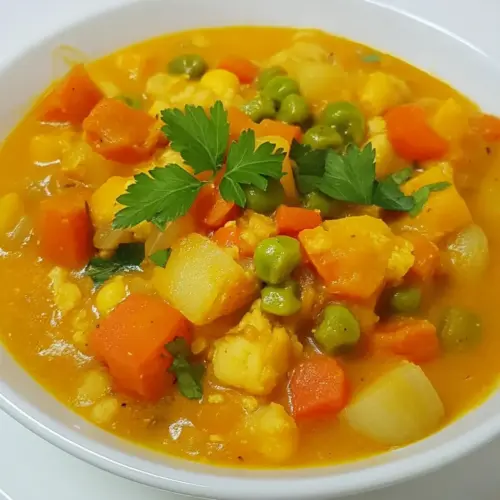
Slow Cooker Vegetable Curry
Slow Cooker Vegetable Curry delivers a creamy, spiced bowl with tender sweet potato, hearty chickpeas, and silky coconut milk. This easy weeknight dinner simmers into a richly flavored, comforting meal with minimal hands on time, perfect for meal prep or cozy family nights, and worth making for its warming, layered spice and satisfying texture.
Equipment
- Slow Cooker
- Spoon
Ingredients
- 1 cups sweet potato cubed Adds natural sweetness and creamy texture when cooked; supplies vitamin A and fiber to enrich the curry. Cube retains shape in slow cooking while absorbing spices for balanced flavor.
- 2 carrots peeled and diced Provides earthy sweetness and tender bite after slow cooking; contributes beta-carotene and bulk to the dish. Dice ensures even cooking and integration with other vegetables.
- 1/2 cup red bell pepper diced Lends bright color and mild sweetness; contributes a crisp, soft texture when simmered in the curry. Dice size allows pepper to meld with spices without overpowering other flavors.
- 1 head cauliflower small, cut into florets Offers a slightly nutty, tender-crisp texture and absorbs curry sauce; delivers vitamin C and dietary fiber. Cutting into small florets promotes even cooking throughout the slow cooker.
- 14 ounces chickpeas can, drained Supplies hearty protein and a creamy texture when heated; adds plant-based protein, fiber, and a subtle nutty flavor. Draining removes excess liquid from the can and concentrates the legume’s taste.
- 1/2 onion small, diced Provides a savory aromatic base when softened; contributes sweetness and depth to the curry’s flavor profile. Dicing finely helps it break down and integrate with the sauce during slow cooking.
- 1 teaspoon curry powder Infuses warm, aromatic spice notes and foundational curry flavor; balances other spices with earthiness. Measuring accurately ensures consistent heat and flavor across the dish.
- 1 teaspoon garam masala Adds complex, warm spice layers and a slightly sweet, aromatic finish; enhances overall depth and authenticity. A teaspoon contributes balanced seasoning without dominating the blend.
- 1 teaspoon ground ginger Contributes warm, slightly peppery, and citrusy undertones; supports digestion and complements other spices. Ground form disperses evenly for consistent flavor throughout the curry.
- 1 teaspoon ground turmeric Imparts earthy bitterness and vivid color while offering anti-inflammatory benefits; rounds out the spice profile for traditional curry character. Ground turmeric blends smoothly into the sauce for even distribution.
- 2 tablespoons tomato paste Provides concentrated tomato richness and umami; helps thicken and deepen the sauce’s body. Stirring in tomato paste builds a robust base that melds with spices during slow cooking.
- 1 cup vegetable broth Supplies savory liquid to create the curry’s cooking medium; balances seasoning and controls sauce consistency. Using vegetable broth adds depth and allows ingredients to simmer evenly.
- 14 ounces coconut milk can Provides creamy richness and a subtle sweetness that softens spices; contributes fat for a smooth, luxurious sauce. Coconut milk rounds the curry and creates a velvety mouthfeel when combined with broth.
Instructions
- Add everything to the slow cooker and stir to combine. Cover and cook on low for 4 to 5 hours, or high for 2 to 3 hours.: As you add each ingredient, notice the layered scent of raw spices and fresh vegetables, a complex aromatic beginning rather than a finished perfume. Stirring helps distribute the curry powder , garam masala , and tomato paste so no clumps remain, ensuring even seasoning in every spoonful. The texture at this point is chunky and colorful, with the pale coconut milk and vegetable broth pooling around the vegetables. A useful tip is to make sure diced pieces are similar in size so they soften uniformly, and avoid overfilling the cooker as that can prevent proper simmer and steaming.
- Serve over brown rice, quinoa, or with a whole wheat naan.: During a long, slow cook, the spices bloom and meld into a rounded sauce, and the vegetables become tender without disintegrating. You will notice the kitchen slowly perfuming, a mellow, warm aroma that signals the curry is nearing readiness. The low setting gives the best texture, allowing starches in the sweet potato to thicken the sauce gently. A common mistake is lifting the lid frequently; that lets heat escape and lengthens cooking time, so resist peeking unless you need to stir once midway.
- Serve over brown rice, quinoa, or with a whole wheat naan: The final presentation is about balance; a grain or flatbread soaks up the sauce and turns this into a complete meal. The contrast between the silky coconut milk sauce and the grain's chew creates a satisfying mouthfeel. When plating, spoon some sauce first, then nest a scoop of the vegetable mixture on top for pleasing contrast. Avoid drowning the grain completely if you like a bit of texture, and taste for salt before serving because grains can mute seasoning.
- Add everything to the slow cooker and stir to combine: As the cooker reaches temperature, sounds change from quiet bubbling to gentle simmering, and aromas deepen. The spices begin to integrate into the liquids, which improves the curry's color and body. If you hear vigorous boiling, check liquid levels, as vigorous agitation can break down vegetables excessively. Stirring once at the beginning and once midway ensures even cooking but avoid excessive agitation which can make textures mushy.
- Cover and cook on low for 4 to 5 hours, or high for 2 to 3 hours: While the curry simmers, the cauliflower and chickpeas absorb the spiced liquid and swell in flavor, and the onions collapse into sweet, savory threads. The sauce should look cohesive, glossy, and slightly thickened from the released starches. If it remains too thin at the end, you can remove the lid and cook on high for a short period to reduce, but watch closely to prevent scorching along the edges. Overcooking makes delicate pieces like bell pepper fall apart, so aim for tender but intact vegetables.
- Serve over brown rice, quinoa, or with a whole wheat naan: Finally, the sensory payoff arrives as steam rises and the first spoonful reaches your mouth, bringing warm spice, creamy coconut, and tender vegetable textures together. Garnish is optional, but a squeeze of citrus or a sprinkle of fresh herbs can brighten the bowl if you have them. One trap to avoid is underseasoning before serving; flavors meld in the cooker, but final seasoning adjustments with salt or a splash of acid bring brightness to the dish.
Notes
- Swap grains: Try serving the curry over brown rice for nuttiness, or quinoa for a protein boost and slightly firmer texture.
- Adjust spice: Increase or decrease the amount of curry powder and garam masala to match your heat preference, adding more gradually and tasting as you go.
- Boost creaminess: Stir in a little extra coconut milk at the end to make the sauce silkier and to mellow strong spices.
- Finish with acid: A squeeze of lemon or lime brightens the dish at the table and balances richness from the coconut milk.
- Make it heartier: Keep the chickpeas and add extra vegetables in season to increase volume without changing the base flavors.