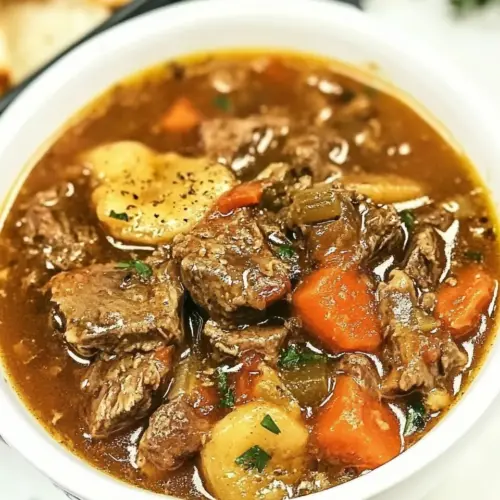
Slow Cooker Steak Soup
Slow Cooker Steak Soup is a hearty, savory bowl of tender beef and egg noodles in a rich, flavorful broth. Slow simmering brings out deep umami and cozy aromas, making it an easy weeknight dinner that still feels special. With simple pantry ingredients and minimal hands on time, it is a go to for cold nights and casual gatherings.
Equipment
- 6-qt Slow Cooker
Ingredients
- 2 1/4 lbs sirloin tip roast, cut into 1-inch cubes Cut into uniform 1-inch cubes to ensure even cooking and tender results; provides hearty beef flavor and protein that forms the soup's main substance. Brown pieces before slow cooking to develop deep savory fond and enhanced aroma. Select sirloin tip roast for lean meat that becomes tender over long, gentle heat.
- 1/4 cup all-purpose flour Coat the meat lightly with flour to help create a subtle thickening agent and encourage browning during searing. Absorbs surface juices and promotes a velvety body in the finished broth. Use all-purpose flour for reliable texture without altering flavor.
- 1/2 tsp salt Season the meat and broth with an even measure of salt to enhance overall flavors and balance the savory profile. Distribute evenly to avoid under- or over-seasoned bites throughout the slow-cooked dish. Adjust slightly at the end if necessary after tasting.
- 1/2 tsp ground pepper Add ground pepper to introduce gentle heat and aromatic spiciness that complements beef and vegetables. Grind freshly if possible for brighter, more pungent notes. Use conservatively during cooking and adjust to taste before serving.
- 2 tbsp canola oil Sear the cubed meat in canola oil to achieve a caramelized crust that locks in juices and builds flavor foundations. Use a high smoke-point oil like canola to allow for higher searing temperatures without burning. Provide lubrication to the pan and help dissolve browned bits when deglazing.
- 1 (1 oz) envelope dry onion soup mix Sprinkle dry onion soup mix into the pot to contribute concentrated savory onion, garlic, and herb flavors without extra chopping. Dissolves into the broth to enhance depth and overall seasoning. Convenient for adding layered umami notes quickly.
- 4 cups beef broth Pour beef broth as the liquid base to submerge ingredients, carry flavors, and create a rich, beef-forward soup. Use a good-quality broth for depth; homemade or low-sodium store-bought allows better salt control. Supplies moisture for slow cooking and helps tenderize the meat.
- 1 tbsp tomato paste Stir in tomato paste to add a concentrated, slightly sweet acidity that deepens color and boosts savory complexity. Incorporate well to avoid streaks and to meld with the broth for a rounded taste. Small amount balances richness without making the soup tomato-forward.
- 1 tbsp Worcestershire sauce Add Worcestershire sauce to introduce subtle tang, umami, and fermented depth that complements beef flavors. Dissolves easily into the broth, enhancing savory and slightly sweet notes. Use sparingly as its concentrated profile can dominate if overused.
- 2 cups uncooked medium egg noodles Cook the uncooked medium egg noodles in the broth near the end to provide tender, comforting pasta that soaks up savory flavors. Add late in cooking to prevent over-softening and to maintain pleasant texture. Supplies carbohydrates and makes the soup more substantial.
Instructions
- Combine roast, flour, salt and pepper in a large ziplock bag. Seal and shake to coat beef.: As you shake the bag, you should hear the dry flour whisper against the meat and see the cubes pick up a thin, even coating. This coating is important because it forms the base for browning, which creates a fragrant crust that enhances the final broth. If you skip this stage, the soup will lose some of its body and the visual appeal of golden edges. A common error is adding too much flour so the pieces clump together, which prevents even searing; use a light dusting and shake gently.
- Heat oil in a large skillet over medium-high heat. Remove beef from ziplock bag, discard any excess flour mixture. Sauté beef until browned, about 5 minutes.: When the oil shimmers and moves easily across the pan, it is hot enough. Add the coated beef in batches so the pieces sizzle on contact, creating a rich, browned surface. The sound of a steady sizzle and the scent of caramelizing meat are good indicators you are developing flavor. If the pan is overcrowded, the meat will steam and not brown, so work in small batches to maintain that satisfying sear.
- Place meat into slow cooker. Add onion soup mix, beef broth, tomato paste and Worcestershire sauce. Cook on LOW for 8 hours, until beef is tender.: After searing the meat, transfer it to the slow cooker and leave behind any loose flour. The seared exterior should be a deep golden to brown color, offering both visual and aromatic signals of proper caramelization. Keeping excess raw flour can thicken the broth unevenly and create pasty bits, so it is best to discard it before the beef goes into the cooker.
- Add noodles to slow cooker. Cover and cook on LOW for 15-30 minutes, until noodles are tender.: Listen for an even, steady sizzle and watch for a rich Maillard color on the edges. That five minute window is a guideline, but focus on color and aroma; you want savory, complex notes, not a gray, steamed appearance. Underbrowned meat leaves the broth less flavorful, while burned bits will make it bitter, so adjust the heat if the pan is cooking too aggressively.
- Place meat into slow cooker: When the browned cubes hit the slow cooker, they bring along all the fond and aroma that will steep into the broth. Spread them evenly so the liquid can surround each piece, promoting even tenderizing. A mistake here is stacking too much meat in one spot, which can slow the exchange of heat and lengthen the tenderizing process.
- Add onion soup mix, beef broth, tomato paste and Worcestershire sauce: Swirl these flavor builders into the cooker so they dissolve and mingle. The broth will darken and the tomato paste will infuse a faint, balancing tang while the Worcestershire deepens umami. Stir gently to distribute everything; clumps of paste or mix can create pockets of uneven flavor. If the mixture tastes flat, check the seasoning after cooking and adjust rather than oversalting at the start.
- Cook on LOW for 8 hours, until beef is tender: During this long simmer the meat fibers relax and the connective tissue softens into tender, yielding bites. The aroma will evolve from meaty to richly stewed as collagen converts to gelatin, giving body to the broth. Resist the urge to open the lid frequently, because that releases heat and extends cooking time. If the meat is tough at the end, continue cooking rather than increasing temperature abruptly, which can toughen fibers.
- Add noodles to slow cooker: When you drop the dry egg noodles into the simmering soup, they will start absorbing liquid immediately. Stir them gently into the broth so they are submerged and cook evenly. The noodles will swell and soften, taking on the savory broth flavors, which is what gives the soup its hearty character. Adding them too early will make them mushy and sap too much of the liquid.
- Cover and cook on LOW for 15 to 30 minutes, until noodles are tender: Watch for the noodles to go from opaque to glossy and tender, and smell the warm, wheaty fragrance they release as they finish. The lower end of the window gives slightly firmer noodles, while the longer end yields softer, melt in your mouth strands. Check at intervals to find your preferred texture; overcooked egg noodles will break down and thicken the soup excessively. If the broth becomes too thick, a splash of extra hot broth can loosen the consistency.
Notes
- Browning Matters: Always brown the sirloin tip roast in batches rather than all at once to develop deep color and flavor. Overcrowding cools the pan and causes steaming, which prevents caramelization. A properly browned crust adds complexity to the final broth, and skipping it makes the soup taste flatter.
- Coating Technique: Shake the meat lightly in the bag so each cube is evenly dusted with the all-purpose flour. Excess flour clumps can burn or make the broth pasty, so aim for a thin, even layer that helps with browning and body.
- Check Seasoning Late: Because the soup reduces slightly during cooking, hold off on adding extra salt until the end. The onion soup mix and beef broth can vary in salt content, so adjust after the long simmer when flavors are fully developed.
- Noodle Timing: Stir the egg noodles into the cooker near serving time, and monitor them closely during the 15 to 30 minute finish window for your preferred texture. If you prefer firmer noodles, check at 15 minutes; for softer, wait longer.
- Advance Prep Hack: Brown the beef the night before and store it covered in the refrigerator. In the morning, add the browned meat and remaining ingredients to the slow cooker for a no fuss day time start that still produces deep flavor.