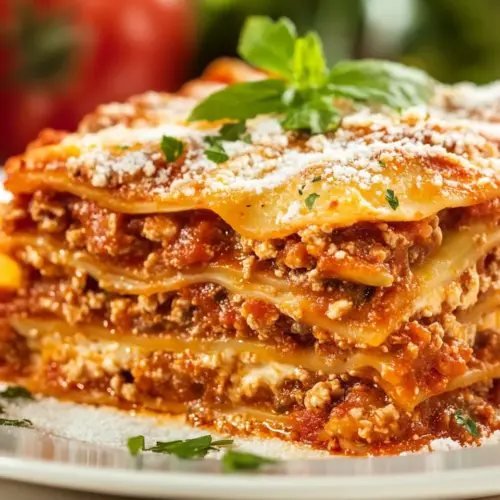
Slow Cooker Lasagna
Slow Cooker Lasagna is a creamy, comforting casserole that layers browned turkey, rich pasta sauce, and melty cheeses into an easy weeknight dinner. The slow cooker yields tender noodles and bubbling cheese with minimal hands on time, making it perfect for family meals. Try it for a simple, crowd pleasing dish that warms the table and delivers satisfying, familiar flavors.
Equipment
- Large Skillet
- Slow Cooker
- Mixing Bowl
Ingredients
- 1 pound lean ground turkey or lean ground beef Brown thoroughly and crumble to develop savory flavor and provide a lean protein base that carries the sauce through the dish; drain excess fat if necessary and season while cooking to build depth.
- 1 onion large, diced Sauté until translucent and fragrant to add sweetness and aromatic depth; dice finely to distribute mild onion flavor evenly within the lasagna layers.
- 3 garlic cloves minced Mince and cook briefly with the onion and meat to release pungent, savory aromatics that enhance the overall sauce profile; avoid burning to keep flavor bright.
- 50 ounces pasta sauce jars, no sugar added Pour directly from jars to form the rich tomato base that binds layers and provides moisture and acidity; choose no-sugar-added for a less sweet, more balanced taste.
- 2 cups cottage cheese low-fat Layer or dollop between noodle sheets to introduce creamy texture and mild tang while contributing protein and moisture that prevents dryness during slow cooking.
- 8 ounces mozzarella cheese part-skim, shredded Sprinkle shredded over layers or mix with cheeses to create a stretchy, melty topping that adds richness and a pleasing, gooey texture when heated.
- 1 teaspoon Italian seasoning Sprinkle into the sauce or cheese mixture to introduce a blend of dried herbs that evokes classic Italian flavors and helps season the entire casserole.
- pinch of salt Add sparingly to enhance and balance flavors, bringing out savory and aromatic notes; adjust to taste to avoid over-salting the slow-cooked dish.
- 12 whole wheat lasagna noodles uncooked, break in half before adding to slow cooker, regular lasagna noodles optional Break and layer uncooked across the slow cooker to absorb sauce and cook through, forming the structural sheets of the lasagna; choose whole wheat for extra fiber.
- 1/2 cup parmesan cheese freshly grated Grate freshly and sprinkle between or atop layers to provide concentrated savory, nutty umami that sharpens flavors and complements the milder cheeses.
- basil fresh, for garnish Garnish chopped over the finished dish to add a bright, fresh herbal note and visual contrast that lifts the rich, savory flavors of the lasagna.
Instructions
- Add the turkey and onion to a large skillet and cook over medium heat until the turkey has lost its pink color. Add the garlic and cook for one additional minute. Drain any fat from the cooked turkey. Add 1 1/2 jars pasta sauce and stir to combine.: Warmth from the skillet brings out a toasty, savory aroma as the turkey browns, and the diced onion becomes translucent and slightly sweet. You should hear a steady sizzle and see the meat break apart into small pieces, with no pink remaining. Browning concentrates flavor through the Maillard reaction, which gives the final lasagna a richer taste. A common error is cooking on too low heat, which causes the meat to steam rather than brown, resulting in a flatter profile. If the pan seems crowded, brown the meat in batches to keep the surface contact high and the sizzling consistent.
- Combine the cottage cheese, mozzarella, Italian seasoning, and salt.: As you add the minced garlic , the pan will release a sharp, fragrant scent that becomes pleasantly roasted within moments. This brief cook time mellows raw pungency while preserving aromatic top notes that infuse the sauce. The one minute gives garlic time to release its oils without turning bitter. Watch closely because garlic burns fast; if it begins to darken, remove the pan from heat immediately to prevent an acrid taste.
- Add a 1/2 cup meat sauce to the bottom of the slow cooker. Next, add a layer of lasagna noodles and spread 1/4 cheese mixture over noodles. Repeat the layers until these ingredients are gone.: After browning, you will notice rendered fat pooling in the skillet, particularly if using lean ground beef. Removing excess fat prevents a greasy final casserole and lets the sauce cling to the meat better. Use a carefully tipped pan or a spoon to remove the fat, or drain through a colander. The key is balance, because leaving a little fat preserves flavor; removing too much can leave the meat dry. Avoid dumping the fat down the sink, and let it cool before discarding.
- Cover and cook in slow cooker on low-heat until noodles are al dente and cheese is bubbly, approximately 4-6 hours. Remove the lid and add the parmesan to the top. Turn off the slow cooker and allow the casserole to sit for 15 minutes before cutting. If desired, serve garnished with the fresh basil and additional parmesan.: Pouring the pasta sauce into the skillet loosens the meat and carries those browned bits into a flavorful meat sauce. You should see the sauce reduce slightly and bubble at the edges as it simmers for a minute, absorbing meat juices and aromatics. This step harmonizes the components and ensures the sauce is well seasoned before layering. A troubleshooting note is to taste and adjust seasoning now, because once layered and cooked, it is harder to fix. If the sauce seems too acidic, a small pinch of sugar can balance it, but in this recipe we use no sugar added jars to keep flavors clean.
- Combine the cottage cheese, mozzarella, Italian seasoning, and salt: In a bowl, stirring together cottage cheese and shredded mozzarella creates a creamy, cohesive filling. You should see the mozzarella threads start to mingle with the curds, forming a spreadable mixture. The Italian seasoning adds herby pockets that lift each bite. Mix gently so the texture stays slightly chunky rather than becoming completely smooth. One mistake is over seasoning; taste the mixture if possible and remember the sauce and parmesan will add additional salt.
- Add a 1/2 cup meat sauce to the bottom of the slow cooker: Spoon a thin layer of the meat and sauce mixture into the cooker to prevent sticking and to ensure the first layer of noodles has moisture to start cooking. You should see a glossy red base that smells of tomato and browned meat. This base also prevents dryness at the bottom and helps the noodles hydrate evenly. Be careful not to skimp on this foundational sauce, because insufficient moisture can lead to undercooked noodles in the center.
- Next, add a layer of lasagna noodles and spread 1/4 cheese mixture over noodles: Place broken pieces of the uncooked lasagna noodles in an even layer over the sauce so they touch and overlap slightly. Immediately spread a quarter of the cheese mixture across the noodles, creating a creamy blanket that will steam and melt into the pasta. You should feel a light resistance when placing the noodles, which softens as they sit. The goal is even coverage; uneven layering can cause dry pockets or uneven cooking. If noodles seem dry, gently press them into the sauce to ensure contact.
- Repeat the layers until these ingredients are gone: Continue alternating sauce, noodles, and cheese mixture until all components are used up, finishing with sauce on top to keep the noodles moist and promote even cooking. As you stack, notice how the casserole builds weight and the top becomes uniformly saucy. Proper layering ensures the center cooks through and each forkful has balanced proportions. A common misstep is piling too many noodles without enough sauce between layers; keep the ratio steady so the center does not remain undercooked.
- Cover and cook in slow cooker on low-heat until noodles are al dente and cheese is bubbly, approximately 4 to 6 hours: The slow cooker will gradually soften the uncooked lasagna noodles and melt the cheeses, producing a gentle bubbling sound as steam escapes. Visually you will see the edges pull slightly away from the sides and the top will be bubbling and glossy. Cooking low and slow gives tender noodles and melded flavors. Resist the urge to lift the lid frequently, which releases heat and extends cooking time. If after six hours the center still feels firm, allow additional time in 15 minute increments.
- Remove the lid and add the parmesan to the top: Once the bubbling subsides, removing the lid releases a burst of tomato and cheese aroma. Sprinkle freshly grated parmesan evenly over the top; its granular texture adds a savory crust as the heat dissipates. The visual cue is a lightly dusted, slightly melted surface. Avoid stirring at this point, which would break the layers and make a mess; instead let the cheese sit to finish.
- Turn off the slow cooker and allow the casserole to sit for 15 minutes before cutting: Resting is crucial because it lets the layers set, making cleaner slices and better mouthfeel. During the 15 minute rest you will notice steam subside and the casserole firm a bit, which improves presentation and texture. A common mistake is cutting too soon, which leads to a sloppy cascade of cheese and sauce. Use a wide spatula for neat servings after the rest period.
- If desired, serve garnished with the fresh basil and additional parmesan: Tearing and sprinkling fresh basil over the top provides bright green contrast and an herbal lift, while an extra dusting of parmesan sharpens the savory profile. The aroma of basil will be immediate and fragrant, signaling freshness against the warm, rich casserole. If you add garnish too early, the basil will wilt and lose its visual impact, so wait until just before serving.
Notes
- Protein swap: If you prefer a slightly richer flavor, you can use lean ground beef in place of the listed turkey. Brown it the same way, and drain excess fat to avoid greasiness.
- Noodle choice: Whole wheat noodles are listed, but regular lasagna noodles will also work; breaking them helps with fit. Ensure they are uncooked and that there is enough sauce coverage for proper hydration.
- Cheese handling: Mix the shredded mozzarella into the cottage cheese so the filling spreads evenly; using pre shredded cheeses can reduce melt quality due to anti caking agents.
- Sauce consistency: Choose a moderately thick pasta sauce so the slow cooker does not become too watery; if your sauce is thin, simmer it briefly before adding to concentrate flavors.
- Slow cooker size: Use a 6 to 7 quart slow cooker for the quantities given to allow even cooking; smaller cookers can crowd layers and lengthen cook time.
- Make ahead: You can assemble the lasagna in the slow cooker insert, refrigerate overnight, and then cook the next day; add 30 to 60 minutes to cooking time if starting cold from the fridge.
- Fresh herbs: Add torn basil just before serving to preserve aroma and color; adding herbs during long cooking dulls their brightness.