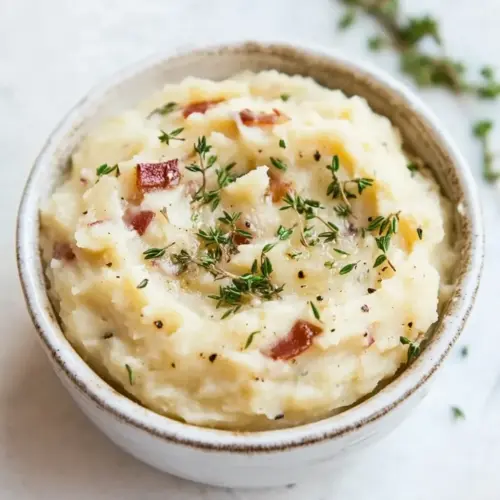
Slow Cooker Garlic and Thyme Mashed Potatoes
Slow Cooker Garlic and Thyme Mashed Potatoes delivers creamy, aromatic comfort with minimal effort. These mashed potatoes are tender and fluffy, infused with mellow garlic and a hint of thyme, finished with tangy Greek yogurt and savory parmesan cheese. Perfect for an easy weeknight dinner or a cozy winter gathering, this recipe promises dependable results and crowd pleasing texture.
Equipment
- Slow Cooker
- Large Mixing Bowl
- Masher or Electric Mixer
Ingredients
- 3 pounds red potatoes cut into quarters Cut into quarters to ensure even slow-cooker cooking and tender texture; provides the starchy base and creamy body when mashed.
- 4 garlic cloves minced Minced finely to infuse the potatoes with aromatic garlicky flavor during long, slow cooking; softens and mellows as it cooks to add depth.
- 1 teaspoon kosher salt Measured precisely to season the potatoes while cooking, enhancing overall flavor and balancing richness from dairy ingredients.
- 1/2 teaspoon ground black pepper Ground to distribute mild heat and earthiness throughout the dish; helps contrast the salt and enrich the savory profile.
- 1/3 cup chicken broth or vegetable broth Provided as a small amount of cooking liquid to prevent dryness and create a smooth, mashable consistency while contributing subtle savory notes.
- 1/2 cup Greek yogurt plain Used for creaminess and tang, adding body and a light tangy flavor while keeping the dish slightly lower in fat than heavy cream.
- 1/4 cup parmesan cheese fat-free, grated Grated to lend a salty, umami-packed finish and gentle nuttiness; melts into the warm potatoes to boost savory complexity without excess fat.
- 1/4 cup milk more if needed Added to loosen the mash as needed and create a silky, spoonable texture while balancing richness for the desired consistency.
- 1 teaspoon dried thyme leaves or 1/2 teaspoon ground thyme Dried to add fragrant herbal notes and a slightly lemony, woodsy flavor; sprinkled in to complement garlic and elevate the overall aroma.
Instructions
- Lightly coat the inside of a slow cooker with nonstick spray. Place potatoes, garlic, chicken broth, salt, and pepper into the slow cooker. Cover and cook on low heat for 7-8 hours or high heat for 3-4 hours, or until tender.: As you move through this stage, notice the subtle slick sound when the spray hits the ceramic insert, and the faint aroma the first time it warms. This ensures the finished mash releases easily, preventing sticking that can scorch and darken flavor. A common mistake is over spraying, which can pool and leave a slightly greasy finish. Wipe excess spray with a paper towel if needed to keep the cooking surface even and prevent pooling, because pooled nonstick spray can alter how the potatoes bake at the edges.
- Remove the potatoes and place in a large mixing bowl. Add the remaining ingredients and beat the potatoes on high until light and fluffy. If dry, add more milk as needed. Serve hot.: When you add the quartered potatoes , they should fit in a single layer as much as possible so heat distributes evenly. The broth will hiss softly if it is warm, and you'll notice the raw garlic scent mingled with the earthy potatoes . The broth and salt combine to begin seasoning the interior of each piece, which is why we add them now. A typical error is overcrowding the pot, which can produce unevenly cooked pieces, so leave a little breathing room to ensure tenderness throughout.
- Cover and cook on low heat for 7 to 8 hours or high heat for 3 to 4 hours, or until tender: Over the long simmer, you will detect a mellowing of the garlic aroma, and the kitchen will take on a deep, warm scent. Tenderness is the key visual cue, test with a fork that should pierce the largest piece without resistance. Avoid the mistake of undercooking, which leaves grainy, starchy centers, and also avoid overcooking so long that the potatoes absorb too much liquid and become waterlogged. If pieces fall apart easily, you are in the right window for mashing.
- Remove the potatoes and place in a large mixing bowl: When you transfer the cooked potatoes , you'll notice a gentle steam and a sweet, roasted note to the garlic . Letting them rest a few minutes reduces excess steam so your mash does not become watery from trapped condensation. A common slip is to mash while the potatoes are scalding hot, which can cause gluey textures, so allow a brief cooldown before beating.
- Add the remaining ingredients and beat the potatoes on high until light and fluffy: As you beat in the Greek yogurt , grated parmesan cheese , and milk , you will hear a soft whir and see a transformation from coarse chunks to airy peaks. The aroma blends into a savory, creamy bouquet. This technique traps air, creating lift and preventing a dense, gummy result. Overmixing is the usual trap here; stop once the mash is smooth and aerated to avoid a gluey consistency.
- If dry, add more milk as needed: Texture is everything, and adding additional warm milk in tablespoons lets you reach the ideal creaminess without thinning the flavor. You will feel the mash move from slightly dry and grainy to silky and cohesive under the spoon, and the sound changes from a dull thump to a soft, light fold. A mistake is adding cold milk too quickly, which can knock temperature down and affect the final mouthfeel, so add warm milk and stir gently to integrate.
- Serve hot: Hot serving temperature accentuates aroma and mouthfeel, bringing the mellow garlic forward and letting the thyme sing. When plated, you should see glossy peaks and a sprinkle of herb flecks, and the first spoonful will be warm, creamy, and well seasoned. Avoid letting the mash sit too long uncovered, which allows a film to form and dries the surface, so cover lightly if you need to hold it for a short time.
Notes
- Control creaminess by adjusting the amount of milk you add, a tablespoon at a time, until you reach the texture you prefer, whether slightly rustic or ultra smooth.
- Boost tang by using a touch more Greek yogurt if you like a brighter finish, stirring it in at the end so the acidity stays fresh and lively.
- Make it lighter by relying more on warm chicken broth and less parmesan cheese, which reduces fat while maintaining savory depth.
- Adjust herb intensity by adding fresh thyme leaves at the end for a brighter herbal note, or use the dried amount in the recipe for a subtler finish.
- Rescue dryness with small splashes of warm milk rather than large pours, incorporating gradually until the consistency is right without diluting flavor.