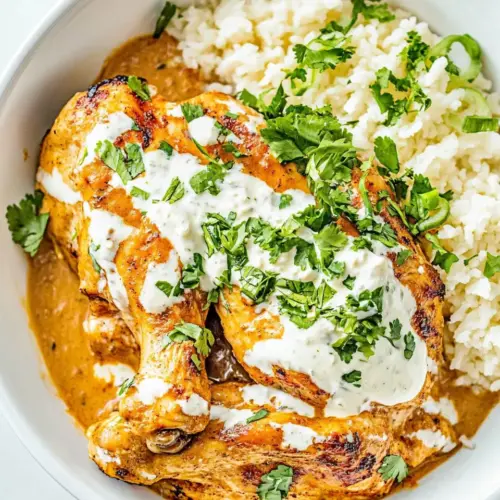
Slow Cooker Fiesta Chicken
Slow Cooker Fiesta Chicken is creamy, smoky, and incredibly easy for an effortless weeknight dinner. Tender shredded chicken simmers in a tangy salsa and cream cheese sauce with corn and black beans, creating a crowd pleasing, make ahead meal that reheats beautifully. It’s perfect for tacos, bowls, or meal prep, and a reliable choice when you want bold flavor without fuss.
Equipment
- 1 Large Bowl
- 1 (7-8 Quart) Slow Cooker
Ingredients
- 1 teaspoon ground cumin Adds warm, earthy flavor and aromatic depth to the spice blend; helps balance heat and enhances savory notes throughout the dish. Works well combined with other spices to create a rounded Mexican-inspired profile for the slow-cooked chicken.
- 1 teaspoon smoked paprika, regular paprika may be substituted Imparts a smoky, slightly sweet flavor that complements the cumin and chili powder; can be swapped with regular paprika for a milder, less smoky result. Helps build a layered, complex seasoning that stands up to long cooking times.
- 1 teaspoon chili powder, use 2 to 3 teaspoons for a spicier dish Provides traditional chili flavor and a mild to moderate heat; increasing the amount intensifies the spice level to suit personal taste. Blends with other dry seasonings to create a robust, fiesta-style rub for the chicken.
- 1 teaspoon onion powder Delivers concentrated onion flavor without added moisture; blends seamlessly into dry rubs and sauces during slow cooking. Enhances overall savory character without changing texture of the finished dish.
- 1 teaspoon garlic powder Contributes concentrated garlic flavor in powdered form for even distribution; complements fresh aromatics and simmered sauces. Helps maintain consistent garlic presence throughout the slow-cooked mixture.
- 1 teaspoon salt Seasoning anchor that heightens all other flavors and balances sweetness and acidity; adjust to taste for sodium control. Ensures the final dish is well-seasoned after long cooking and dilution from other ingredients.
- 1 to 2 tablespoons olive oil Provides fat for browning and flavor development if searing chicken before slow cooking; helps distribute spices and prevents sticking. Can be used on the bottom of the slow cooker or for quick skillet sear to deepen flavor.
- 2 pounds boneless skinless chicken breasts Primary protein that becomes tender and absorbs surrounding flavors as it slow cooks; serves as the main component for tacos, bowls, or enchiladas. Can be shredded or sliced after cooking to soak up the sauce and spices.
- 1 cup reduced sodium chicken broth, or water Adds savory liquid for cooking and thin sauce base; reduced sodium keeps the dish from becoming overly salty. Can be substituted with water when a lighter base is preferred, while still providing necessary moisture for the slow cooker.
- 8 ounces brick-style full-fat cream cheese, cubed and softened to room temp Creates a rich, creamy texture and body in the finished sauce when melted into the hot mixture; softens into a smooth, luscious consistency. Contributes full-fat richness that helps bind spices and salsa into a luxurious coating for the chicken.
- one 1.1 ounce packet dry fiesta ranch seasoning mix, or your favorite flavor of ranch seasoning mix Introduces tangy, herbed seasoning and additional savory notes when mixed into the dish; available in many flavor variations to tailor the profile. Functions as a quick way to boost flavor complexity without extra chopping or blending.
- 12 ounces red salsa Provides bright tomato-forward flavor, moisture, and acidity to the sauce; helps create a cohesive, saucy base for the chicken. Offers regional flavor cues and melds with spices, cream cheese, and broth to form a balanced fiesta sauce.
- 15 ounces canned corn, drained well (frozen or freshly shaved corn may also be used) Adds sweet corn flavor and a pleasant pop of texture; drained canned corn is convenient and keeps consistency uniform. Offers a slightly sweet counterpoint to spicy and savory elements while contributing bulk and color.
- 15 ounces canned black beans, drained and rinsed (I use reduced sodium beans) Supplies hearty texture and mild, earthy flavor with protein and fiber; drained and rinsed beans prevent excess sodium and off-flavors. Adds substance to the dish and stretches servings while complementing spices and salsa.
- 7 ounces canned diced green chiles, do not drain Contributes mild heat and tang with a distinctive roasted-chile flavor; adding it undrained preserves its brine and moisture in the sauce. Enhances overall southwestern character and layers in subtle acidity and complexity.
- 10 corn tortillas, or flour tortillas, if serving as tacos Serves as a vehicle for serving the finished chicken as tacos or wraps; corn tortillas provide a traditional base while flour tortillas offer a softer alternative. Warmed or lightly fried, tortillas help present and contain the saucy filling.
- Queso fresco, or Mexican shredded cheese blend Provides a salty, crumbly topping with mild tang that contrasts creamy sauce; crumbled queso fresco adds authentic Mexican flavor and a pleasant finish. Can be sprinkled on each serving to introduce texture and salt balance.
- Mexican crema, or sour cream thinned with milk Offers cool, tangy creaminess to finish plates and mellow spiciness; Mexican crema is thinner and more pourable than sour cream, while thinned sour cream is a suitable substitute. Drizzled over tacos or bowls, it adds richness and brightness.
- Cilantro Adds fresh, bright herbal aroma and a hint of citrusy, slightly peppery flavor; used as a finishing garnish to lift heavy flavors. Chopped cilantro refreshes each bite and complements the savory and tangy components of the dish.
- Lime wedges Provides bright acidity and a zesty finish when squeezed over the plated dish; lime wedges allow diners to customize brightness and tartness. Cuts through richness and balances spicy, creamy, and savory elements for a lively final bite.
Instructions
- In a bowl combine the cumin, smoked paprika, chili powder, onion powder, garlic powder, salt, and stir to combine the spice rub mixture.: Right away you will notice the warm, aromatic perfume of the spices as they mingle, a sign that your flavor base is working. Rub the mixture between your fingers and inhale the smoky sweetness of the smoked paprika contrasted with the deeper warmth of cumin . This dry blend matters because it creates pockets of concentrated flavor that will adhere to the chicken and develop during slow cooking. A common misstep is under mixing, which can leave clumps of single spices; be sure to whisk until homogeneous so each bite tastes balanced. If your spice mix seems damp, gently toast it in a dry skillet for 20 to 30 seconds until fragrant to intensify aroma, but do not burn it, as burned spices become bitter.
- Evenly drizzle the chicken breasts with olive oil and then pat on the spice rub evenly all over both sides of each chicken breast.: As you drizzle the olive oil , it will shine on the surface of the chicken , helping the spices cling and forming a flavor crust during cooking. Patting ensures every piece is evenly coated so there are no bland spots in the finished dish. The tactile process of pressing the rub into the meat also helps compress the flavors into the surface molecules, which will penetrate as the meat cooks. Avoid piling too much rub on one area, which can create pockets of intense saltiness; aim for a thin, even layer. If the breasts are uneven in thickness, consider a light pounding for uniform cooking, otherwise the edges may dry while thicker centers finish.
- Place the chicken breasts in a large 7 to 8-quart slow cooker, add the broth, cover, and slow cook on HIGH heat for about 3 hours, or until chicken is done (165 F internal temp).: When you set the seasoned chicken into the slow cooker, notice the spices melding with the broth, releasing fragrant steam as it warms. The gentle simmer on HIGH for about 3 hours will coax the collagen in the meat to break down, yielding tender, shreddable texture. Use a probe thermometer to ensure each breast reaches 165 F for safety, and know that the ambient aroma should smell savory and steamy rather than sour. A frequent error is overfilling the cooker, which can lengthen cooking time; keep space around pieces for even heat circulation. If you find the liquid is evaporating too quickly, add a splash more broth to maintain moisture.
- Place the chicken on a cutting board and shred it using two forks. Alternatively, you can shred chicken by placing it in the bowl of a stand mixer fitted the paddle attachment, and mixing on low speed until shredded.: Once the chicken is out of the cooker, the first sensory cue is the tender give when you press the meat with a fork. Shredding with two forks produces ragged, textured pieces that soak up sauce beautifully, while the stand mixer method delivers uniform shreds more quickly. The sound of the shredding is quiet but you will see threads pull apart easily; that is how you know the meat is properly done. Avoid shredding while the meat is very hot and wet, which can create mushy pieces; instead let it rest a few minutes to retain structure. If shreds seem stringy, you may have slightly overcooked the meat, but the next step with creamy additions will restore tenderness and juiciness.
- Add the shredded chicken back into the slow cooker.: Returning the shredded chicken to the cooker invites it to absorb the cooking juices, making each strand flavorful. The tactile sensation is comforting, as the meat collapses into the warm liquid and releases a steam of combined aromas. This step matters because it allows the shredded pieces to recombine with the broth, improving uniformity of seasoning. A common oversight is stirring too vigorously and breaking the shreds into mush, so fold gently to maintain texture. If the mixture seems too dry at this point, a splash of the reserved broth will hydrate and unify the sauce.
- Add the cream cheese, fiesta ranch seasoning mix (or another flavor of dry ranch seasoning mix), salsa, corn, beans, green chiles (do not drain), stir to combine, cover with the lid, and slow cook on LOW for 2 to 3 hours, or until bubbly; OR slow cook on HIGH for 1 hour or until bubbly.: When you add the cream cheese and salsa , the cooker will start emitting a rich, tangy steam as the dairy melts into a velvety sauce. Stirring brings everything together visually, with the yellow kernels of corn and dark flecks of black beans creating a colorful mosaic. This melting and marrying phase is crucial because the cream cheese stabilizes the sauce, preventing separation and producing a creamy mouthfeel. Watch for slow bubbling as your cue that the sauce has come together; avoid leaving the lid off for long, which can cool the mixture and slow melding. A typical mistake is using low fat cream cheese, which can make the final sauce watery, so stick to full fat for the best texture.
- Serve immediately, as desired – either plain and as-is, over rice, in a lettuce leaf like a lettuce wrap, or in tortillas. Tip – Soften tortillas by wrapping them in a kitchen towel and microwave them for about 30 seconds or just until warmed. Additionally, you can blister or brown them in a dry skillet over medium-high heat. It only takes about 30 seconds per side, at most.: The final serving stage is where textures and temperatures meet; warm tortillas should be pliable and slightly steamy, while the chicken mixture should be glossy and spoonable. If serving over rice, the grains will absorb excess sauce creating a satisfying balance, whereas lettuce wraps add a crisp contrast. Warming the tortillas in a towel keeps them soft, but a quick skillet blister adds char and nuttiness. Don’t overheat tortillas until crisp, unless that is your intent, because they will crack while wrapping. Taste before plating and add a squeeze of lime to brighten if needed.
- Garnish with your favorite cheese, Mexican crema, sour cream, cilantro, lime juice; all optional and as desired. Fiesta chicken will keep airtight in the fridge for up to 5 days or in the freezer for up to 4 months. Reheat gently and on low heat.: Garnishes bring contrast; crumbled Queso fresco adds salt and cream, while cilantro and lime add fresh lift. The texture of crema versus shredded cheese changes the mouthfeel, so choose according to preference. For storing, cool to room temperature before sealing to avoid condensation; when reheating, low, gentle heat prevents separation of the sauce. One mistake people make is reheating too fast at high temperature, which can cause the cream cheese to break and become grainy, so always reheat slowly and stir occasionally.
Notes
- Use thicker salsa for texture If you prefer a chunkier, more textured finish, choose a chunky red salsa with tomato and onion pieces which will give the dish more bite and reduce the need to drain excess liquid later.
- Adjust spice levels Increase chili powder to 2 to 3 teaspoons for more heat, or decrease it for milder palates; balancing with extra cream cheese can mellow strong heat.
- Swap tortillas for rice bowls Serve the mixture over warm rice to turn it into a hearty bowl meal, which soaks up the sauce and feeds more people per batch.
- Make it ahead The flavors often deepen after a day in the fridge, so prepare it a day ahead and gently rewarm on low, stirring occasionally to recombine the sauce.
- Warm tortillas properly Wrap in a damp kitchen towel and microwave for 20 to 30 seconds, or char quickly in a hot dry skillet for added flavor and pliability.
- Choose full fat dairy Stick to full fat cream cheese to avoid a watery, separated sauce; low fat versions contain more water and can thin the final result.
- Add fresh garnishes last Sprinkle fresh cilantro and a squeeze of lime right before serving so their bright notes remain vivid and not muted by heat.