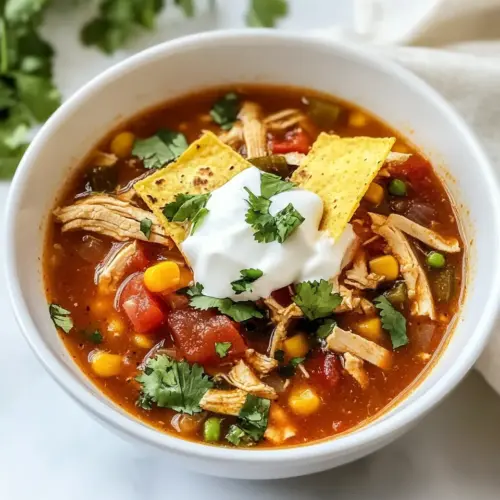
Slow Cooker Chicken Fajita Tortilla Soup
Slow Cooker Chicken Fajita Tortilla Soup blends tender shredded chicken, warm cumin and chili notes, and bright lime for a creamy yet brothy bowl. This easy weeknight dinner yields rich, comforting flavor with minimal hands on time, making it perfect for busy families or casual entertaining. Try it for a fuss free, crowd pleasing meal that delivers bold fajita flavor in soup form.
Equipment
- Skillet
- Slow Cooker
- Oven
- Nonstick Baking Sheet
Ingredients
- 2 tablespoons canola oil Heat and sauté to provide a neutral cooking fat that helps brown aromatics and prevent sticking while adding subtle richness to the soup.
- 3 boneless and skinless chicken breasts Poach gently in the slow cooker to provide tender, lean protein that shreds easily and absorbs the soup's flavors for hearty texture.
- 6 cups chicken stock optional broth Simmer as the primary liquid base to build body and savory depth, creating a flavorful broth that carries seasonings throughout the soup.
- 2 cloves garlic minced Mince finely and sweat early to release pungent, aromatic oils that form the savory backbone and enhance overall flavor complexity.
- 1 yellow onion medium, diced Dice medium and caramelize slightly to add sweetness and umami, contributing texture and layered savory notes to the finished soup.
- 2 bell peppers seeded, stemmed, and diced Seed, stem, and dice then sauté to provide bright, vegetal sweetness and a pleasant bite that contrasts with the tender chicken.
- 1 teaspoon salt Season judiciously to enhance and balance flavors, bringing out savory notes and helping to unify the soup's spice components.
- 1/2 teaspoon black pepper Grind or measure freshly to add subtle heat and earthy undertones, contributing to balanced seasoning without overpowering other spices.
- 1/8 teaspoon cayenne pepper Sprinkle sparingly to impart sharp, concentrated heat that elevates overall spice level and complements chili and cumin flavors.
- 1 teaspoon cumin Measure and toast lightly to release warm, earthy aromatics that lend smoky, slightly citrusy notes central to fajita-style seasoning.
- 1 teaspoon chili powder Add and bloom in the pot to develop smoky, mildly spicy depth that defines the Southwestern character of the soup.
- 1 tablespoon tomato paste Stir in concentrated paste to add umami, acidity, and a touch of tomato richness that deepens color and intensifies savory flavor.
- 1 lime reserve juice Squeeze reserved juice at the end to brighten and lift the soup with fresh acidity, balancing richness and enhancing other flavors.
- 11 ounces frozen corn kernels thawed Thaw and stir in to contribute sweet, crisp kernels that add texture, color, and a pleasant pop in each spoonful.
Instructions
- Add 2 tablespoons oil to a skillet. On medium heat add chicken breasts and sear until lightly golden on both sides.: The moment the oil hits the hot pan you should hear a soft ripple and see it shimmer, indicating the skillet is ready; this glossy surface helps create immediate contact with the chicken , promoting a savory Maillard crust that later flavors the broth. The scent of warm oil is neutral at first, then begins to carry the toasty notes of the meat as it sears. Use a medium heat so the oil does not smoke, and tilt the pan to coat evenly. If the oil smokes, reduce the heat and start over on a cooled pan, because burnt oil will give the whole dish an unpleasant bitterness. A common mistake is overcrowding the pan, which traps steam and prevents browning, so sear in batches if needed.
- Add seared breasts, stock, onion, garlic, bell pepper, spices, salt, pepper, and tomato paste, to slow cooker.: As the chicken meets the skillet you will hear a steady sizzle, and after a few minutes the exterior will shift from pale to a warm golden hue; that color signals caramelization and concentrated savory flavor. Press gently with a spatula to check for release from the pan; if it resists, give it another minute. The aroma becomes richer and slightly sweet as the proteins brown. Avoid cooking through the breasts completely here; the goal is color and flavor, because the slow cooker will finish the job. A typical mishap is overcooking during searing, which can create dry meat later, so remove the breasts once they are just golden.
- Cook on low 5-6 hours or high 3-4, or until chicken is cook through.: When you transfer these elements into the slow cooker the kitchen fills with layered aromas, from the roasted tomato paste and warm cumin to the sweet softened onion . The pooling chicken stock will gently extract those browned bits from the seared meat, enriching the broth with savory depth. Stir the tomato paste into the liquid so it dissolves rather than clumping, and nestle the seared breasts among the vegetables to ensure even flavor distribution. A common oversight is adding too much liquid; stick to the specified amount so the soup concentrates properly during long cooking.
- Add lime juice and thawed corn. Cover and cook 3-5 additional minutes.: During the long, slow simmer you will notice the aroma deepen and the broth become more cohesive as collagen and flavor dissolve from the meat into the liquid. On low settings the flavors have time to marry slowly, creating silkier texture, while high speeds are useful if you are short on time but still need tender results. The chicken is ready when it yields easily to a fork and the juices run clear; an internal temperature around 165 degrees F is a safe benchmark. Avoid lifting the lid frequently, because heat escapes and lengthens cooking time, and stirring too early can prevent proper melding of flavors.
- Shred chicken using a fork.: Adding the lime juice at this late stage brightens and lifts the entire pot, giving the broth a lively counterpoint to its savory base; the scent of citrus should pop immediately. The thawed corn gives clean, sweet kernels that contrast the softer vegetables and shredded meat. Stir gently so the corn warms through without breaking apart. A frequent error is adding citrus too early, which causes the acid to lose its freshness; reserve it for the finish as directed to preserve that bright, clean note.
- Serve topped with baked tortillas strips. If desired top with, optional sour cream, cilantro, and sliced avocado, if desired.: These final minutes allow the flavors to harmonize and the corn to warm without overcooking. You will hear a gentle simmer return, and the surface will show small, regular ripples. This short rest also helps the aromatics settle into balance so the lime does not feel jarring. Avoid extending this brief phase much longer, because the corn can become mushy and the lime brightness can fade.
- Preheat oven to 350 degrees.: When you pull the chicken into shreddable pieces the texture should feel soft and fibrous, falling apart with minimal resistance; this creates strands that soak up broth and seasonings beautifully. Use two forks or tongs to hold and shred, working quickly to keep the meat warm. The act of shredding releases additional juices into the soup, enriching the mouthfeel. A mistake to avoid is shredding too finely, which can make the texture paste like rather than pleasantly fibrous.
- Place tortilla strips on a nonstick baking sheet and lightly spray each side with cooking spray. Sprinkle on salt and pepper. Bake 20 minutes or until crispy and golden.: The contrast of warm, spoonable soup and crisp tortilla strips is essential; the strips should be dry and crunchy so they add textural excitement rather than sogginess. Scatter them on just before serving to preserve the crunch. If you plan to offer optional toppings like sour cream or sliced avocado, have them ready so guests can finish bowls to their taste. A common slip is preloading bowls with toppings too early, which can cause creamy accents to lose their fresh appeal.
- If desired top with, optional sour cream, cilantro, and sliced avocado, if desired: These toppings layer cool, herbal, and creamy notes onto the warm soup, creating contrast and balance. Spoon on the lite sour cream sparingly to avoid diluting the broth, sprinkle the cilantro for bright herbaceousness, and add avocado slices last to maintain their shape. Prepare these garnishes just before serving, because extended contact with hot liquid can wilt herbs and soften avocado excessively.
- Preheat oven to 350 degrees: The oven step is for crisping tortilla strips; once heated it will deliver even browning and a toasty aroma that complements the soup. A properly preheated oven ensures consistent texture across the strips. Avoid using a tray that retains too much moisture, and do not skip preheating, because lower temperatures yield limp results rather than crisp, golden chips.
- Place tortilla strips on a nonstick baking sheet and lightly spray each side with cooking spray: As the tortillas warm they will begin to curl and toast around the edges, releasing a toasty corn scent that pairs perfectly with the soup. Lightly spraying each side helps achieve uniform browning and prevents sticking, while sprinkling on salt and pepper enhances their flavor. Do not crowd the baking sheet, because overlapping pieces will steam instead of crisping.
- Sprinkle on salt and pepper: A simple seasoning of salt and pepper on the tortilla strips amplifies their flavor, balancing the slight sweetness of the corn and the savory soup. The aromatics of fresh cracked pepper will become more pronounced as the chips bake. Apply seasonings evenly so no pieces become oversalted, and remember that the soup itself also contains salt.
- Bake 20 minutes or until crispy and golden: In the oven the strips will slowly transform, first drying out then taking on a warm golden color and crisp sound when tapped. Check them around 15 minutes to prevent burning, rotating the tray if your oven has hot spots. Once they are crisp, remove them promptly to cool on a rack so they keep their texture. Overbaking will lead to overly brittle pieces that shatter rather than provide a pleasant crunch.
Notes
- Control salt gradually, because the chicken stock and any store bought components can vary in sodium. Taste the soup near the end and adjust sparingly to avoid over salting, and remember you can always add more but you cannot take it away.
- Sear for depth, searing the chicken forms flavorful browned bits that enrich the slow cooked broth. Do not overcrowd the skillet, and stop searing when the meat is just golden to prevent drying the breasts.
- Reserve lime for the finish, since adding lime juice late preserves its vibrant brightness. Add it after the long cook and just before serving so the citrus lifts the entire bowl without fading under heat.
- Keep tortilla strips crunchy, by baking them right before serving and adding them to bowls at the last moment. If you prepare them too early they will absorb moisture and lose their crisp texture.
- Watch the corn, because frozen kernels can water down the soup if added frozen. Thaw and drain them so they warm quickly and keep their sweet pop in each bite.