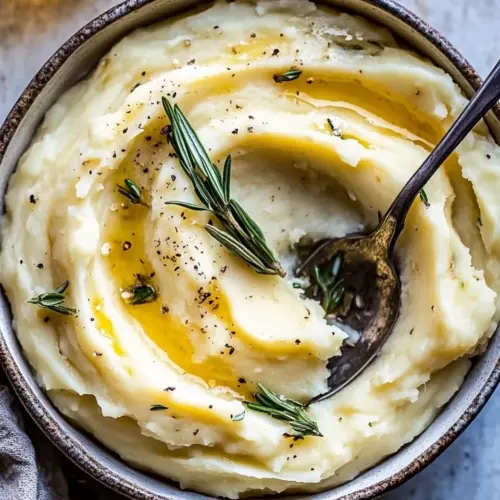
Slow Cooker Cheesy Garlic Herb Mashed Potatoes
Slow Cooker Cheesy Garlic Herb Mashed Potatoes are creamy, cheesy, and effortlessly rich, perfect for an easy weeknight dinner or a holiday centerpiece. The slow cooker builds deep garlic and herb flavor while keeping the texture silky and smooth, making these mashed potatoes irresistibly comforting. Make them for gatherings when you want a hands off, crowd pleasing side that always gets raves.
Equipment
- Slow Cooker
- Potato ricer
- Colander
- Spoon
Ingredients
- 4 pounds yukon gold potatoes, peeled and quartered Provide a creamy, buttery base when mashed and contribute a slightly sweet, earthy flavor; peeled and quartered pieces cook evenly and absorb dairy for a silky texture when finished in the slow cooker.
- 3 cups heavy cream Add rich, velvety mouthfeel and help create smooth, luxurious mashed potatoes; heated gently with herbs and garlic to infuse flavor into the cooking liquid.
- 1 cup whole milk Lighten and thin the cream mixture slightly while adding subtle dairy richness; balances texture so the mash isn’t overly heavy and helps achieve a spreadable consistency.
- 8 fresh sage leaves, plus more for serving Impart an aromatic, slightly peppery and sagey note that pairs beautifully with butter and cheese; whole leaves release oil during slow cooking and can be reserved for garnish.
- 3 sprigs fresh thyme, plus more for serving Provide a lemony, earthy fragrance and bright herbal lift when simmered with the potatoes; sprigs infuse the dish with savory complexity and can be used as a fresh finishing touch.
- 4 cloves garlic, smashed Deliver pungent, roasted garlic flavor when smashed and slow-cooked, mellowing into sweet, caramelized notes; helps infuse the cream and potatoes for deeper savory taste.
- 1 parmesan rind (optional) Contribute concentrated umami and salty depth if added, melting into the cooking liquid to enrich flavor; optional use enhances savory complexity without altering texture significantly.
- 6 tablespoons salted butter, at room temperature Add creamy richness and smooth mouthfeel when folded into hot potatoes; room-temperature butter blends easily for glossy, luscious mashed results.
- kosher salt and black pepper Season and balance flavors throughout the dish; kosher salt seasons during cooking while black pepper adds mild heat and aromatics at the end to taste.
- 1 cup shredded gruyere cheese (or use more!!) Provide a nutty, melty, and slightly sharp cheesy component that enriches body and flavor; shredded gruyere melts into the mash to create gooey, savory pockets and a luxurious finish.
Instructions
- In the bowl of your slow cooker, combine the potatoes, parmesan rind (if using), heavy cream, milk, sage, thyme, and garlic. Cover and cook on high for 4-5 hours or on low for 6-8 hours, until the potatoes are fork tender. Switch the slow cooker to warm.: The kitchen fills with a gentle, herby steam as the potatoes and aromatics simmer; you will smell the sweetness of the garlic and the warm, almost nutty note from the parmesan rind. This long, slow cooking allows the starches in the potatoes to relax, producing a fluffier interior when riced or mashed, and it lets the flavors permeate the dairy. Keep an eye on the edge of the slow cooker in the first hour to ensure there is gentle simmering and not a boil, which helps prevent scalding the dairy. A common mistake is lifting the lid too often, which lets heat escape and extends the cooking time; resist peeking unless you need to. If you notice a film forming on top of the cream, a gentle stir will reincorporate it without affecting texture.
- Drain the potatoes, reserving all of the cream. Discard the thyme, sage, and parmesan rind (if used). Press the potatoes through a potato ricer, adding them back to the slow cooker. Alternately, you can add the potatoes back to the slow cooker and mash with a potato masher.: When you drain, the cream will glisten and smell infused; reserve it because it is the seasoning and texture lifeline for the mash. Removing the herb sprigs and rind prevents woody bits and chewy chewables in the final dish. Passing the hot potatoes through a ricer yields pillowy strands that feel light and airy, while mashing gives a more rustic mouthfeel. The sound of the ricer is a soft, satisfying squeeze; the texture should be uniformly smooth. Avoid overworking the potatoes with a food processor or blender, which can make them gluey. If they feel gummy after mashing, fold in reserved cream gently rather than beating aggressively.
- Add 1 1/2 cups of the reserved cream and the butter. Continue to add more of the cream until your desired consistency is reached. Season the potatoes with salt and pepper. Stir in the cheese, cover, and cook another 15 minutes, or until melted and creamy. Keep the potatoes covered, on warm, for up to 4 hours.: The first addition of cream and room temperature butter turns the dry riced strands into a lusciously wet mash; you will notice steam rise and a glossy sheen develop as the butter melts. Add the reserved cream gradually, stirring after each addition until you reach a texture you enjoy. This measured approach prevents an overly loose consistency. Taste and season with kosher salt and black pepper in small increments because the butter and any parmesan rind may already have added salt. A frequent issue is adding too much salt at once; if that happens, add more potatoes or a splash of milk to balance.
- Stir in the cheese, cover, and cook another 15 minutes, or until melted and creamy: Folding in shredded gruyere should create a ribbon of melted cheese that binds everything into a glossy, cohesive mass; you will hear soft swirls as the spoon moves and see the cheese melting into pockets of cream. Covering for a short finish helps the cheese melt through without separating and gives the salts and fats a moment to harmonize. If the mixture looks slightly oily, stir gently and allow the residual heat to bring it together; overheating can cause the cheese to break. A common misstep is adding cold cheese to a very hot pot which can cause clumping; bringing the cheese to room temperature or adding it in stages helps avoid this.
- Keep the potatoes covered, on warm, for up to 4 hours: Leaving the mash on the warm setting keeps it at a serviceable temperature while preserving creaminess. You will notice the aroma deepen over time and the surface may form a thin skin if left uncovered; keep the lid on and stir gently every 30 to 45 minutes to maintain a smooth texture. If the mash firms as it holds, stir in a splash of the reserved cream to revive silkiness. Overheating while holding is the biggest risk, so monitor the warm setting and avoid switching to high, which can dry out the dish.
Notes
- Temper your dairy by using room temperature butter and letting cheeses sit out briefly so they fold in smoothly without chilling the mash.
- Control consistency by reserving the cooking cream and adding it gradually. This lets you dial the texture from spoonable to spreadable without over thinning.
- Keep herbs subtle by adding whole sage leaves and sprigs of thyme that are easy to remove, which gives an infused aroma without leaves in the finished dish.
- Prevent gluey potatoes by using a ricer or masher and avoiding high speed blending; gentle folding preserves a light, creamy mouthfeel.
- Finish gently by melting the gruyere in the slow cooker on warm rather than high heat, reducing the risk of grainy separation.