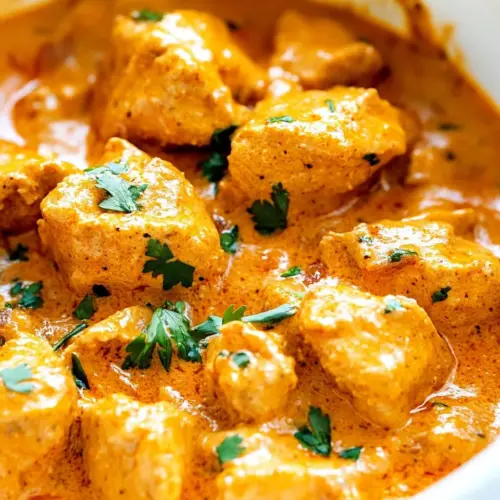
Slow Cooker Butter Chicken
Slow Cooker Butter Chicken is creamy, spiced, and effortless, delivering tender chicken in a rich tomato dairy sauce that makes an easy weeknight dinner. The slow cook method melds warm spices and aromatic ingredients into a silky, comforting dish that is both crowd pleasing and reliably delicious, perfect when you want a hands off yet impressive meal.
Equipment
- Large Skillet
- Slow Cooker
- Mixing bowl or large ziplock bag
Ingredients
- 2 lbs chicken breasts or thighs cut into 2-inch cubes Cut into 2-inch cubes and simmer gently so pieces stay tender and absorb the sauce flavors deeply over long cooking.
- 1 cup plain Greek yogurt Provide a tangy, creamy base for marinating that tenderizes the chicken and adds subtle richness to the final sauce.
- 1 tablespoon fresh minced ginger Add bright, fresh warmth and aromatic zest when minced, helping to balance the creamy and tomato elements with spice.
- 1 teaspoon garlic powder Impart a concentrated garlic flavor without texture, supplying consistent savory depth throughout the dish when used in the marinade.
- 1 tablespoon garam masala Introduce complex, warm Indian spice notes that contribute earthy, slightly sweet flavors and a distinctive curry aroma.
- 1 teaspoon turmeric Contribute a warm, slightly bitter earthy tone and golden color that pairs well with other Indian spices for authentic flavor.
- 1 teaspoon ground cumin Add nutty, earthy undertones and depth to the spice profile, complementing the garam masala and enhancing savory notes.
- 1 teaspoon red chili powder Deliver spicy heat and vibrant color to the marinade, increasing overall warmth and providing traditional curry spiciness.
- 1 teaspoon paprika Provide mild heat and rich color with a smoky sweetness that rounds out the chili powder and brightens the sauce visually.
- 1 teaspoon of salt Season the marinade to ensure the chicken is properly salted, enhancing natural flavors and balancing the spice blend.
- 2 tablespoons olive oil Supply a neutral cooking fat with a hint of fruitiness to sauté aromatics or finish the sauce without overpowering spices.
- 2 tablespoons butter Contribute creamy, decadent richness and a silky mouthfeel while adding a buttery flavor that completes the sauce’s texture.
- 1 large onion diced Provide a mellow sweet-pungent base when diced and sautéed, creating aromatic depth and layering savory flavor in the sauce.
- 5 cloves garlic minced Add fresh, robust garlic flavor and aroma that infuses the sauce during cooking, supporting savory complexity and depth.
- 1 tablespoon ginger minced Bring fresh ginger heat and aromatic brightness when minced, elevating the curry’s fragrance and countering richness.
- 1 teaspoon ground cumin Reinforce earthy cumin notes for a deeper spice profile during sauce preparation, building layered savory flavor.
- 1 teaspoon garam masala Enhance aromatic warmth and complexity in the sauce with repeated garam masala for continuity between marinade and cooking.
- 1 teaspoon paprika Add additional mild smokiness and color to the sauce, supporting the overall spice blend without overwhelming other flavors.
- 1 teaspoon red chili powder Increase heat and lively kick in the cooked sauce to match the marinade’s intensity and maintain balanced spiciness.
- 1 tablespoon sugar Contribute subtle sweetness that helps balance acidic tomato flavors and round out the sauce’s overall taste.
- 14 oz tomato sauce Provide a smooth, concentrated tomato base that supplies body, acidity, and fundamental umami to the butter chicken sauce.
- 1 1/4 teaspoons salt or to taste Allow fine salt adjustment during cooking to season the sauce fully and harmonize the flavors according to taste.
- 1 cup evaporated milk Introduce creamy, slightly caramelized dairy richness and a thicker texture that mellows spices and enriches the gravy.
- 1/2 cup heavy cream Add luxurious, velvety fat and a silky finish that heightens mouthfeel and gives the butter chicken its signature indulgence.
Instructions
- In a bowl or large ziplock bag, combine chicken pieces with all of the MARINADE ingredients, cover with plastic wrap, and let marinate for 30 minutes or overnight in the fridge.: The first sensory cue you'll notice is the sharp citrus like tang of the yogurt and the warm perfume of the spices as they coat the chicken , a smell that signals flavor penetration. As the meat rests, the yogurt's acidity gently tenderizes the fibers, making the final texture more yielding. I prefer at least 30 minutes if time is tight, and overnight if you can plan ahead, because longer marination deepens flavor. A common mistake is skimping on space in the container, which prevents even contact with the marinade, so spread pieces in a single layer if possible. When you lift the bag, you should see well coated cubes and a faintly spiced steam if you worked quickly. Make sure not to leave the marinating chicken out at room temperature for safety.
- Place a large skillet over medium-high heat. Add two tablespoons of olive oil.: When the pan heats up, you'll hear a clean, lively sizzle as oil hits the surface, and a shimmer should appear across the oil when it's ready. Preheating is crucial because a properly hot skillet sears the outside of the chicken quickly, locking in juices and creating flavor from browning. If the pan is too cool, the pieces will steam instead, yielding pale, less flavorful meat. One misstep is adding crowded pieces, which drops the pan temperature sharply, so keep batches small to preserve that satisfying sear.
- When hot, add chicken pieces in batches, ensuring not to overcrowd the pan. Cook until browned, for about 3-5 minutes per side. Set aside on a plate and cover with foil to keep it warm.: As each piece hits the skillet you should hear a robust sizzle and see edges go golden within minutes, releasing a rich, roasted aroma. Browning is not just aesthetic, it creates complex flavor compounds that will enrich the sauce downstream. Move pieces only once or twice so they form a crust, and set them aside to rest briefly; this prevents the juices from escaping when they return to the slow cooker. A frequent error is flipping too often, which interrupts crust formation and yields blander results.
- Melt the butter. Add the onion, garlic, and ginger, stir, and cook for 2 minutes.: The moment the butter begins to foam, add the diced onion and notice a sweetening smell as the raw edge cooks off. The minced garlic and ginger will soon release sharp aromatic oils, creating an intoxicating steam that signals flavor building. This brisk sauté is about softening and waking the aromatics, not long caramelization, so two minutes is enough to make them glossy and fragrant. Overcooking at this stage can turn the garlic bitter, so keep the heat moderated and stir frequently.
- Add the aromatics: cumin, garam masala, red chili powder, sugar, and paprika, and cook for 1 minute.: cumin, garam masala, red chili powder, sugar, and paprika, and cook for 1 minute : When the dry spices hit the warm fat, they bloom and produce a deeper, toasted aroma, like a chorus joining a melody. This brief toasting amplifies their essential oils and prevents a raw spice taste in the final sauce. You should see the spices darken slightly and smell a fragrant lift almost immediately. Avoid letting them burn, which would introduce bitter notes; stir constantly and keep the heat gentle for this short step.
- Transfer the mixture to the slow cooker. Add the chicken.: As you move the sautéed base into the slow cooker, you'll notice how the concentrated aromas relax into a broader, homier scent when mixed with the browned chicken . Nest the pieces into the aromatic bed so each cube can bathe in the flavors, which helps ensure consistent infusion during the long cook. A common oversight is dumping everything in a thin layer; instead layer gently so heat and liquid distribute evenly.
- Add the tomato sauce and evaporated milk. Season with salt and pepper, and stir to combine.: Pouring in the tomato sauce and the evaporated milk creates an immediate visual change from dry spices to a glossy, saucy base. Stirring releases a comforting, savory steam and you should see the sauce thicken slightly as fat and tomato meld. Salt at this point pulls flavors forward, but remember you can adjust later. Watch for separation if temperatures are extreme; gentle stirring helps maintain a uniform emulsion.
- Cook low for 6 to 7 hours or on high for 3-4 hours.: During the long slow cook phase the kitchen fills with layered aromas that deepen hour by hour, and the chicken gradually becomes tender and yielding as collagen softens. The slow, moist heat encourages spices to integrate fully into the sauce, creating a silky, cohesive texture. Resist the urge to lift the lid frequently as it releases trapped steam and prolongs cooking. If you need to check, do so only briefly and with a light hand.
- Thirty minutes nearly the end of the cooking time, open the lid and stir in the heavy cream.: Adding the heavy cream near the finish brightens and smooths the sauce, and you will notice the texture turn luxuriously silky as it warms through. Stirring at this point distributes the cream evenly and rounds any sharp edges in the flavor. A typical mistake is adding cream too early, which can thin the sauce or dull spice brightness. After adding, keep the lid off for a brief final simmer if you want to slightly thicken the sauce.
- Serve with rice garnished with cilantro.: The final sensory reward is the contrast between the creamy, spiced sauce and the neutral, fluffy grain. Spoon the hot chicken and sauce over steaming rice and garnish as you like, noticing the interplay of warm spice and cool herb aroma. Serve immediately for best texture, since resting can thicken the sauce further. Avoid letting it sit uncovered for long, which can cool the dish and mute its flavors.
Notes
- Swap poultry cuts Use chicken thighs for a more forgiving, richly flavored result, or use breasts for a leaner outcome. Thighs hold up better to long cooking without drying out.
- Make it milder Reduce the red chili powder by half and rely on paprika for color, keeping the aromatic spices intact to maintain depth without too much heat.
- Boost creaminess For an extra luxurious sauce add an extra two tablespoons of butter at the end, stirring until melted for a glossier finish that coats rice beautifully.
- Use homemade spice blends If you make your own garam masala, add it at both the marinade and sauce stages to create a more personalized, aromatic signature.
- Shorten cook time If you need a faster version, finish the sauce on the stovetop after searing and simmer gently for thirty to forty five minutes to concentrate flavors, though the slow cooker yields a deeper result.
- Adjust dairy If you prefer less richness, replace heavy cream with a slightly reduced amount of evaporated milk and stir in just before serving for a lighter sauce.