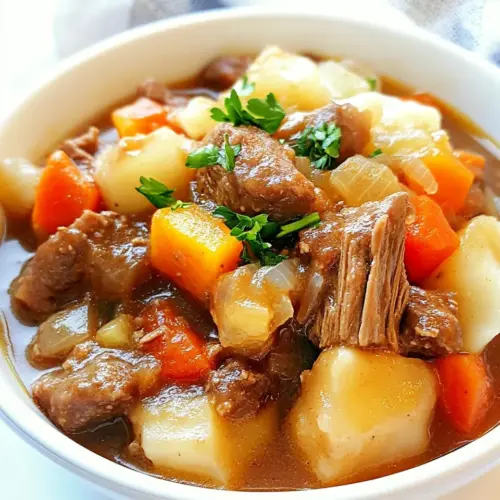
Slow Cooker Beef Stew
Slow Cooker Beef Stew is a creamy, savory, easy weeknight dinner that simmers into tender beef and hearty vegetables. This slow cooked classic delivers deep, comforting flavors and a thick, glossy broth, perfect for cold winter evenings. Make it when you want a no fuss, crowd pleasing meal that fills the house with a homey aroma and rewards patience with rich, layered taste.
Equipment
- Slow Cooker
Ingredients
- 1 tablespoon vegetable oil Adds a neutral cooking fat for browning and sautéeing, helping to develop deep flavor and prevent sticking in the pot. Use it to sear meat before slow cooking to lock in juices and create fond for deglazing. Provides slight richness without overpowering the other ingredients.
- 2 lbs beef stew meat cut into 1" pieces Provides the primary source of protein and hearty texture, becoming tender and flavorful after long, slow cooking. Coating and browning the pieces helps build savory depth and caramelized notes for the stew. Cuts into uniform 1" pieces ensure even cooking and satisfying bite-size chunks.
- 1/4 cup all-purpose flour Coats the meat and vegetables to help thicken the cooking liquid into a glossy stew consistency. Adds mild, toasty flavor when browned and helps stabilize the sauce so it clings to each piece. Use evenly to prevent clumps and ensure a smooth final texture.
- 1 cup chopped carrots Contributes natural sweetness and a slightly firm texture that softens with slow cooking, balancing savory flavors. Adds color and nutritional value while infusing the broth with aromatic notes. Cut uniformly so they cook through evenly without turning mushy.
- 1 cup chopped celery Provides a mild, aromatic backbone and slight crunch that mellows during long simmering to add depth. Releases vegetal flavor and pairs well with carrots and onions to create a traditional mirepoix base. Chopping uniformly ensures consistent texture throughout the stew.
- 1 cup chopped onion Delivers aromatic sharpness and umami when softened, forming part of the flavor foundation with carrots and celery. Sweating the onion helps release sugars that enhance the stew's overall complexity and mouthfeel. Browning can add further richness and color.
- 1 cup chopped fresh mushrooms Adds earthy, savory umami and tender texture as mushrooms release moisture and concentrate their flavor in the broth. Provides an extra layer of richness and complements the meatiness of the beef. Chop to match other vegetables for even cooking and distribution.
- 1 cup potatoes peeled and cut into 1/2" pieces Supplies starchy body and hearty substance, becoming tender and absorbing the stew's savory flavors. Peeling and cutting into uniform 1/2" pieces ensures they cook through without falling apart. Helps thicken the broth naturally and makes the dish more filling.
- 1 teaspoon salt Season with a balanced level of salinity to enhance all other flavors and bring out the natural taste of the meat and vegetables. Distribute evenly to avoid over-salting any single component and adjust near the end of cooking if needed. Essential for a well-rounded final dish.
- 1/2 teaspoon ground black pepper Contributes warm, slightly pungent heat and a subtle bitterness that complements richer elements and brightens the overall profile. Use measured amounts to avoid overpowering delicate flavors, and taste toward the end of cooking for adjustments. Helps define the savory edge of the stew.
- 1 tablespoon Worcestershire sauce Adds deep savory complexity and tangy umami that enhances the beefy flavors and enriches the cooking liquid. Stir into the broth to integrate its flavor, balancing salty and savory notes to make the stew more robust. Small amounts go a long way in boosting overall depth.
- 1 tablespoon minced garlic Provides concentrated aromatic garlic flavor and pungency that mellows and sweetens with long, slow cooking. Minced form disperses evenly to flavor the entire pot while infusing the broth with savory depth. Adds a classic aromatic component to the stew base.
- 1 teaspoon paprika Contributes a warm, mildly smoky and slightly sweet note that enhances overall seasoning and pairs well with meat. Use it sparingly to avoid dominating more subtle herb and vegetable flavors. Helps round out the spice profile for a comforting stew.
- 1 teaspoon dried rosemary leaves Imparts piney, aromatic, slightly floral notes that complement the rich meat and broth, adding herbaceous complexity. Crush leaves lightly before adding to release oils and aroma, and consider whole sprigs for easier removal if desired. Enhances savory depth without overpowering other herbs.
- 3 cups beef broth Provides savory, beefy liquid and depth, serving as the primary cooking medium that hydrates and melds flavors during slow cooking. Use full-bodied broth for maximum richness and adjust seasoning after reduction to avoid over-concentration. Supplies the necessary liquid to tenderize meat and vegetables.
- mashed potatoes, white rice, or egg noodles kept warm Serves as classic warm accompaniments to absorb the stew's gravy and make the meal complete and comforting. Keep these sides warm and ready for serving so guests can spoon stew over them, which enhances texture and flavor balance. Choose one based on preference for starch and presentation.
Instructions
- Start by trimming any excess fat from your beef stew meat if necessary, and cut into smaller 1" pieces if you find the store cuts too large. This ensures each piece is bite-sized and easy to eat.: When you trim and size the beef , you shape the final texture, ensuring each bite becomes tender after slow cooking. As you trim, you may notice little flecks of fat that glisten under the light, which can be left on sparingly to contribute flavor, but too much makes the broth greasy. I press a piece between my fingers to check for uniformity and imagine how it will feel when fork tender. The sound while slicing is soft and steady, and the visual cue is neat, even cubes. If pieces are uneven, some will turn to buttery shreds while others stay tough. A common mistake is leaving very large chunks that never fully soften, so keep them close to the one inch size for consistent doneness.
- Heat 1 tablespoon of vegetable oil in a large skillet over medium-high heat. Once hot, add the beef. Combine the flour, salt, and black pepper, and sprinkle over the beef, tossing to coat evenly. Cook, stirring frequently, until the meat is nicely browned on all sides. This should take about 5-7 minutes.: When the oil becomes glossy and shimmers, it is ready to sear the beef , which jumpstarts flavor development through browning. You will hear a lively sizzle as pieces hit the pan, and a nutty, toasted aroma will rise that signals the Maillard reaction. This step adds color and depth that the slow cooker cannot create on its own. If the skillet is not hot enough, the meat will sweat instead of sear, producing a pale surface and a weaker flavor profile. Avoid crowding, because too many pieces at once drops the pan temperature, producing steam rather than a crisped exterior.
- Move the browned beef into a slow cooker.: As you place the cubes into the pan, you should hear a satisfying, immediate sizzle that muffles into a steady hiss; that sound tells you the outside is caramelizing. The visual shift from raw pink to golden brown along the edges is the cue to let pieces sit briefly before turning, to create a crust. This crust locks in juices and creates complex flavors that will drip into the broth. A common error is constant stirring, which prevents proper browning, so let the meat develop a crust for a minute or two before moving.
- To the slow cooker, add the chopped carrots, celery, onion, mushrooms, and potatoes. The potatoes should be peeled and cut into small 1/2" pieces to cook evenly. Add the Worcestershire sauce, minced garlic, paprika, and dried rosemary to the mix.: Dusting with the all purpose flour mixture creates a thin coating that promotes a glossy, slightly thickened broth as the stew simmers. At this stage, the flour mixes with the browned surface, smelling faintly toasty as it adheres. Toss gently so each piece gets a light dusting, and tap off excess to prevent clumps. If you add too much flour, you may end up with lumps or a pasty texture; shake off the surplus for a smooth finish.
- Pour the beef broth over the ingredients in the slow cooker, ensuring everything is well-mixed. Cover and set the slow cooker to low for 8 hours, or on high for 4 hours.: Browning each face creates layered aromas and a deep, savory base; look for evenly colored, caramelized edges and a concentrated, almost meaty perfume in the pan. Moving the pieces allows every surface to meet that high heat briefly, and you will notice little brown bits forming on the bottom, which are flavor gold. Scrape and incorporate those bits into the stew later. A pitfall here is underbrowning, which yields a less complex broth, so take the extra five to seven minutes to do it properly.
- Once the stew is cooked and the beef is tender, ladle it over warm mashed potatoes, white rice, or egg noodles.: Transferring the beef saves those fond bits and begins the gentle transformation. The meat will already be warm and carrying that seared fragrance, which will infuse the entire pot. Arrange the cubes evenly so they nestle among the vegetables later. Avoid piling everything into a heap, which can delay even cooking; spread them to give the liquid access to each piece.
- To the slow cooker, add the chopped carrots, celery, onion, mushrooms, and potatoes: Layering the aromatics and vegetables around the beef creates varied textures once cooked; you will see bright orange carrots and pale potatoes nestling beside glossy mushrooms . As they heat, they release sweet and earthy scents that mingle with the meat. Uniform chopping helps each vegetable hit that tender spot simultaneously. Avoid adding overly small pieces, or they may disintegrate into the broth.
- The potatoes should be peeled and cut into small 1/2" pieces to cook evenly: Small, consistent potatoes ensure a creamy interior without turning to mush. When you press a piece with a spoon after cooking, it should be soft but still hold shape, which is the texture you aim for. If pieces are too large they stay undercooked and interrupt the mouthfeel. A common oversight is leaving skins or uneven sizes, producing an inconsistent bite.
- Add the Worcestershire sauce, minced garlic, paprika, and dried rosemary to the mix: These seasonings build nuanced layers; the Worcestershire sauce contributes a deep umami note, garlic brings aromatic warmth, paprika adds color and mild sweetness, and rosemary gives an herbaceous lift. As they warm, their scents bloom into the simmering pot. Stir them in so the flavors disperse evenly. A typical mistake is adding too much dried herb, which can overwhelm, so stick to the recipe's measure.
- Pour the beef broth over the ingredients in the slow cooker, ensuring everything is well mixed: The beef broth should just cover the ingredients to form a flavorful cooking liquid. You will see the surface glisten and small bubbles begin to form once the cooker reaches temperature. The broth extracts juices and creates that gravy like texture we love. Overfilling can water down the flavors, and underfilling can leave dry pockets, so aim for even coverage.
- Cover and set the slow cooker to low for 8 hours, or on high for 4 hours: The long, gentle heat on low encourages connective tissue in the beef to break down slowly, yielding buttery tenderness and a richer broth. On high, the same transformations happen faster, but the lowest setting produces the most nuanced result. You will notice a steady, savory steam and a deeper aroma over time. Avoid lifting the lid frequently, which releases heat and extends cooking time unnecessarily.
- Once the stew is cooked and the beef is tender, ladle it over warm mashed potatoes, white rice, or egg noodles: At serving time the stew should smell rich and savory, the beef falling apart easily, and the vegetables soft but intact. Spoon the glossy stew over your chosen base so it soaks up the broth and yields a comforting bite. Keep sides warm to maintain contrast between hot stew and base. A common mistake is serving over cold or room temperature starches, which dull the overall experience.
Notes
- Brown in batches to avoid crowding the pan, which ensures each piece of beef gets proper caramelization.
- Use quality beef broth because it forms the flavor foundation, and a richer broth produces a more savory final stew.
- Keep vegetable sizes consistent so carrots, celery, and potatoes finish at the same time without falling apart.
- Let it rest briefly after cooking so flavors meld further before serving, which improves depth and harmony.
- Warm your chosen base such as mashed potatoes, white rice, or egg noodles so the stew maintains heat and texture when plated.