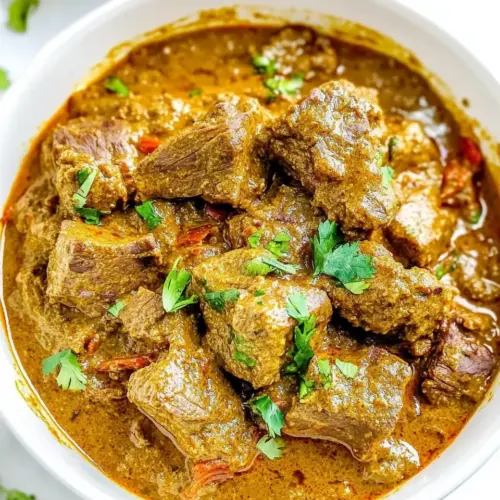
Slow Cooker Beef Madras
Slow Cooker Beef Madras is a rich, aromatic curry with tender beef, tangy tamarind, and warm spices. This easy weeknight dinner fills the house with inviting scents and yields a deeply flavored, creamy sauce that clings to each tender piece of beef. Perfect for busy days when you want restaurant worthy comfort at home, it s worth making for the bold, layered taste.
Equipment
- 6-Quart Programmable Slow Cooker
Ingredients
- 1 large onion (roughly chopped) Sauté until softened and translucent to provide a sweet, savory base that builds depth and body throughout the curry.
- 3 tablespoons butter Melt to enrich the dish with a smooth, indulgent mouthfeel and help bloom spices for a rounded, luxurious flavor.
- 1 tablespoon garlic and ginger paste Stir in to add concentrated aromatic pungency and a zesty, slightly spicy backbone that binds other flavors together.
- 1 small cinnamon stick Infuse during cooking to impart a warm, woody sweetness and subtle aromatic complexity that complements other whole spices.
- 4 cardamom pods Crush lightly and steep to release floral, citrusy notes that brighten and lift the curry’s overall spice profile.
- 3 dried red chilies Toast briefly to contribute smokey heat and layered chili flavor; remove if desired for milder overall spiciness.
- 1 large tomato (diced) Cook down to add fresh acidity, juiciness, and a natural sweetness that balances rich spices and tender meat.
- 1 tablespoon garam masala Fold in to introduce a warm spice blend that layers complex fragrant notes like cinnamon, cloves, and coriander.
- 2 teaspoons Kashmiri chili powder (mild heat) Sprinkle to supply a vibrant red color and mild, fruity chili warmth that enhances visual appeal without overpowering heat.
- 1 teaspoon ground turmeric Add for its subtle, earthy bitterness and golden color that rounds out the spice mix and supports savory elements.
- 1 tablespoon tomato paste (mixed with 1/2 cup water) Mix into the pot to boost tomato intensity and body while contributing a concentrated umami tang diluted by water.
- 1 tablespoon tamarind sauce Drizzle to lend tangy, fruity acidity that cuts through richness and adds a characteristic sour note to the sauce.
- 1 1/2 cups curry sauce (mild, homemade or store-bought) Pour in to create a saucy foundation with balanced flavors and smooth texture, simplifying seasoning and consistency.
- 1/2 cup plain yogurt Whisk gently to introduce creaminess and a tangy counterpoint that softens spices and tenderizes the beef slightly.
- 1 1/2 pounds beef chuck (cut into 1 inch pieces) Brown before slow cooking to develop deep Maillard flavors, then simmer until fork-tender, providing hearty protein.
Instructions
- Add the diced beef, chopped onion, garlic and ginger paste, butter, cinnamon stick, cardamom pods, dried red chilies, diced tomato, garam masala, Kashmiri chili powder, turmeric, tomato puree mixed with water, tamarind sauce, curry sauce, and yogurt into your slow cooker.: You will notice a burst of fragrant, layered aromas as the warm butter and paste mingle with whole spices, creating an inviting scent that hints at the final depth. The visual should show the ingredients nestled together, the yogurt and tomato puree streaking through the mixture, and whole spices dotted around the meat. This combination matters because the slow, moist environment allows the spices to slowly bloom, infusing every piece of beef with flavor. A common mistake is overcrowding the cooker, which can prevent even heat circulation, so give the ingredients room and avoid packing it too tight. If your spices are not fragrant at this stage, gently pressing the paste into the butter can help release their oils before you cover the pot.
- Stir everything gently to combine, then cover the slow cooker. Cook on low for 6-8 hours or high for 4-5 hours, until the beef is tender and the sauce is rich and flavorful.: Right after stirring, listen for a soft settling sound as the sauce finds its level, and watch for ingredients coming together into a cohesive mixture. Stirring gently prevents shredding the beef and helps distribute spices evenly, which promotes consistent seasoning throughout the final dish. The lid traps steam and circulates heat, essential for breaking down connective tissue. Avoid vigorous stirring, which can turn chunks into a mush; aim to fold components together so they remain distinct yet well coated. If you notice the mixture separating or a lot of fat pooling at the top, a brief gentle stir and skimming later will correct it without disturbing the slow cooking process.
- Once the beef is fall-apart tender, remove the cinnamon stick and cardamom pods. Give the curry a final stir. Serve with basmati rice or warm naan.: As the hours pass, you should detect a gradual transformation in the pot the scent deepens and the sauce thickens, becoming glossy and clingy. The beef will soften, and connective tissues will dissolve into the sauce, yielding a luscious mouthfeel. Choosing low yields more nuanced flavors and silkier texture, while high shortens time at the cost of slightly less refinement. A frequent error is opening the lid too often, which releases heat and lengthens cook time, so resist peeking. If the sauce seems too thin at the end, briefly remove the lid and let it reduce on high for a short period, stirring occasionally to prevent scorching.
- Once the beef is fall apart tender, remove the cinnamon stick and cardamom pods: At this stage, the aroma will be deeply spiced and the sauce will cling to the meat; the beef should break apart with minimal pressure. Removing whole spices is important because their shells can be bitter or hard to bite into once fully softened. The visual cue is that the meat strands easily and the sauce has a uniform color and sheen. A common slip is leaving the spices in, which can lead to visitors biting on a whole pod; use tongs to fish them out gently. If you struggle to find the pods, skimming the surface with a spoon or lifting pieces gently will reveal them.
- Give the curry a final stir: In the finishing moments, stirring brings the sauce together, smoothing pockets of thicker or thinner sauce into a single, balanced gravy. You will see a glossy coat on the beef and smell the mingled sweet, tangy, and warm spice notes. This final agitation also helps distribute any fat and folded in yogurt evenly, adding body and mild acidity. Avoid over stirring, which can shred already tender meat; instead use a gentle folding motion to preserve texture. If the sauce looks separated after stirring, let it settle for a few minutes and stir again slowly to achieve an even emulsion.
- Serve with basmati rice or warm naan: When served, the steam will carry aromas of spice and tang, inviting immediate tasting. Pairing with basmati rice or warm naan provides neutral textures that let the curry shine, absorbing sauce and highlighting the beef 's tenderness. The final plating should show glossy sauce pooled around chunks of meat and a scattering of any softened tomatoes. A common serving mistake is using something too delicate that disintegrates into the sauce; choose sturdy sides that can stand up to the rich curry and enhance each bite. If you want a brighter finish, a small spoon of plain yogurt on the side can cool the palate between spicy bites.
Notes
- Brown the Beef: Searing the beef in a hot skillet before adding it to the slow cooker creates a deeper flavor base thanks to browned fond, which enriches the final sauce.
- Adjust Spice Heat: Tweak the number of dried red chilies or the amount of Kashmiri chili powder to match your heat tolerance, remembering the slow cooker can slightly mellow peak spice levels over time.
- Tamarind Swap: If you lack tamarind sauce, use a tablespoon of lemon juice with a teaspoon of brown sugar to mimic its sweet tang, adding it toward the end for brightness.
- Richer Sauce: Stir in an extra two tablespoons of butter or fold in an additional tablespoon of yogurt near the finish for a silkier mouthfeel and a softer edge to the heat.
- Make Ahead: Prepare the curry a day ahead and refrigerate; flavors will deepen overnight and the sauce often tastes better reheated, making this great for meal prep and entertaining.