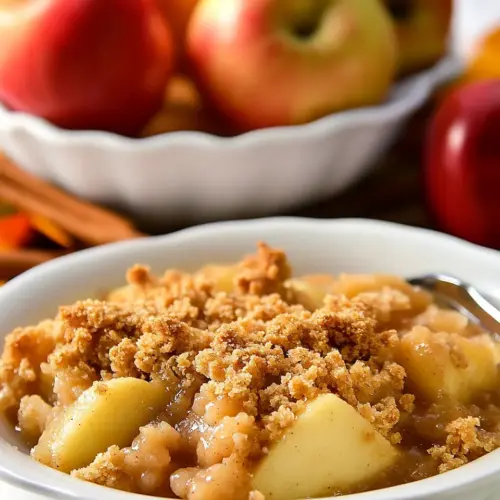
Slow Cooker Apple Crisp
Slow Cooker Apple Crisp fills your kitchen with warm cinnamon and caramel notes while delivering soft, jammy apples topped with a coarse oat crumble. This cozy dessert is easy, hands off, and perfect for fall gatherings or simple weeknight treats, making it an ideal make ahead sweet to share.
Equipment
- Slow Cooker
- Mixing Bowl
- Pastry blender
Ingredients
- 6 cups apples diced Provide bright acidity to balance sweetness and prevent apple slices from browning; toss diced apples in the lemon juice before layering in the slow cooker to preserve color and add subtle tang that lifts the overall flavor.
- 2 tablespoons lemon juice Add sharp citrus flavor that balances the dessert's sweetness and helps maintain apple texture; incorporate into the apple mixture early so it can penetrate fruit and brighten the finished dish.
- 1 cup coconut palm sugar optional sucanat Sweeten the filling with a deep, caramel-like sugar alternative that adds molasses notes and chewiness; adjust quantity to taste and dissolve with apple juices while cooking for consistent sweetness.
- 3/4 cup whole-wheat flour or white whole-wheat flour Contribute structure and a tender crumb to the crisp topping with whole-grain flour for nuttier flavor and added fiber; mix with oats and butter to create a crumbly streusel that crisps during slow cooking.
- 1/2 cup rolled oats Provide chewiness and rustic texture to the topping while absorbing some of the apple juices; combine with flour and butter to form the classic oat-streusel component that contrasts the soft baked apples.
- 2 teaspoons cinnamon Impart warm, sweet-spicy aroma and classic apple pie flavor; blend into the topping and filling to create cohesive autumnal notes throughout the crisp.
- 1 teaspoon nutmeg Add warm, slightly sweet and earthy depth with a hint of clove-like flavor; sprinkle into the apple mixture or topping sparingly to complement cinnamon without overpowering other spices.
- 1/2 teaspoon allspice Introduce warm, peppery undertones that enhance the spice blend and add complexity; use a small amount in the topping mix to highlight the fruitiness of the apples.
- kosher or sea salt to taste Enhance and balance flavors by rounding out sweetness and emphasizing spice; season lightly to taste in the apple filling so the fruit’s natural flavors shine without becoming flat.
- 4 tablespoons butter optional 3 tablespoons coconut oil Create richness and help the topping brown and crisp as it cooks; cut into the flour and oats to form a crumbly streusel, or substitute with coconut oil for a dairy-free alternative.
Instructions
- Spread the apples in your bottom of your slow cooker. Add the lemon juice and stir to coat. Next, add 1/4 cup sucanat and 1 tsp cinnamon and stir to coat the apples.: As you press the diced apples into the base, notice how their raw scent is bright and slightly tart, which promises a lively filling. I like to arrange them in an even layer so heat distributes consistently, otherwise some chunks can over soften while others stay firm. A common mistake is overcrowding the pot, which can trap excess moisture and lead to a soggy topping. Gently pat the fruit down and leave a little air space at the edges so steam circulates, encouraging even breakdown and a glossy, saucy texture.
- In a separate bowl, mix the flour, oats, remaining sucanat, remaining spices, and salt. Cut in the butter with a pastry blender until the mixture resembles coarse crumbs.: After adding the lemon juice , you should detect a fresh citrus brightness cutting through the apple aroma. Stirring ensures every piece picks up that acid, which helps balance the sweetness and prevent discoloration. Be careful not to over stir after adding sweeteners, because rough agitation can break the fruit into mush prematurely. If the filling seems dry, a light additional squeeze of lemon or a spoonful of water will help, but use sparingly to avoid diluting flavor.
- Sprinkle this crumb mixture over the apples until completely covered.: When the coconut palm sugar and cinnamon meet the fruit, you'll smell a warm, caramel like sweetness beginning to develop. Stir until the sugar dissolves into the apple juices, producing a lightly glazed surface. A pitfall here is adding too much sweetener which can overpower the fruit; start with the specified amount and taste a small warmed sample if unsure. Ensuring even coating helps the fruit release juices that will mingle with the crumble for a balanced consistency.
- Set your slow cooker to low and allow the apple crisp to cook for 4 hours.: As you combine the dry ingredients, the blend should look even and slightly speckled with spice. The whole-wheat flour and rolled oats form the structure, while the sugar and spices provide color and scent. Mixing thoroughly prevents pockets of unmixed flour that would taste raw later. One error cooks make is skipping the salt; even a little salt amplifies flavor, so be mindful. The dry mix should feel slightly coarse and sandy to the touch when ready.
- Cut in the butter with a pastry blender until the mixture resembles coarse crumbs: Rubbing the butter into the dry mix creates pea sized clumps that will brown and add richness. As you work, the aroma becomes buttery and toasty, and the texture changes from powdery to clumpy. Overworking can melt the fat and produce a paste, so use a light touch for a flaky crumble. If you do not have a pastry blender, two forks or your fingertips work, but keep the fat cold to avoid greasiness. Properly cut fat yields a topping that is both tender and crisp once cooked.
- Sprinkle this crumb mixture over the apples until completely covered: When the crumble meets the fruit, you should see a matte, even blanket that will crisp at the edges as it cooks. Pressing it slightly helps some of the crumbs adhere, but avoid compacting which can prevent the topping from becoming airy. A frequent misstep is piling too much topping in one area which leads to uneven textural contrast. Aim for an even distribution so every spoonful has both soft apples and crunchy crumble.
- Set your slow cooker to low and allow the apple crisp to cook for 4 hours: As the slow cooker warms, the house will fill with a mellow, spiced aroma and you may hear gentle bubbling as the juices thicken. Cooking gently on low lets the fruit soften without turning to complete mush, and it allows the topping to dry slightly and form a coarse crust. A common mistake is using high heat which can over soften the fruit and make the topping soggy; patient low heat produces the best texture. After about 3 to 4 hours check for bubbling at the edges and a golden tint to the topping as signs of readiness.
Notes
- Choose apples wisely Use firmer, tart varieties to keep texture, because they break down into a jammy filling without turning to mush.
- Keep fats cold Cold butter or coconut oil creates pea sized crumbs, which bake into a desirable coarse topping rather than a greasy paste.
- Even dice Cut the apples into uniform pieces so they cook at the same rate, preventing some chunks from becoming overly soft while others remain underdone.
- Reserve some sugar Splitting the sugar between the filling and topping helps both components caramelize appropriately, avoiding an overly sweet filling.
- Watch the spices Measure the cinnamon, nutmeg, and allspice carefully; too much can overpower the fruit, while balanced amounts enhance depth.
- Check at the end Look for bubbling at the edges and a lightly colored topping at about four hours, this signals the filling has thickened and the topping has set.