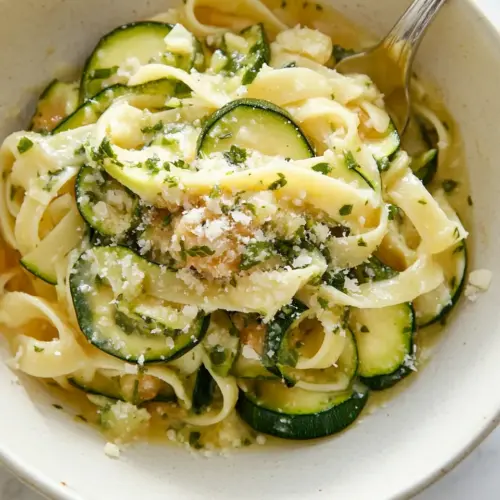
Simple Fresh Zucchini Pasta Sauce
Simple Fresh Zucchini Pasta Sauce is a creamy, bright summer pasta sauce featuring tender zucchini, melted parmesan, and a lemony finish. This easy weeknight dinner comes together quickly and delivers silky texture and fresh flavor, perfect for casual meals or small gatherings. Make it when you want something satisfying without heaviness, and serve immediately for the best results.
Equipment
- Large Pot
- Skillet
- Colander
- Grater
Ingredients
- 8 ounces uncooked pasta I use fettuccine Cook until al dente to provide the base and texture for the dish; toss with sauce so it absorbs flavors and carries the zucchini mixture well. Choose a wide noodle like fettuccine to hold creamy bits of sauce and grated cheese. Drain well but reserve some pasta water to adjust sauce consistency if needed.
- 1.5 pounds zucchini diced Dice into small, uniform pieces to create a tender, saucy texture that breaks down slightly when cooked; zucchini contributes bulk, moisture, and a mild, fresh flavor. Sauté until softened to develop a gently sweet character and to meld with aromatics. Avoid overcooking to prevent a mushy result and preserve a bit of bite.
- 1 tablespoon olive oil Heat gently to coat the pan and sauté aromatics without sticking; olive oil adds fruitiness and helps transfer heat for even cooking. Use a modest amount so it complements butter and keeps the sauce light. Prefer extra-virgin for brightness, but standard olive oil also works well.
- 2 tablespoons butter divided Melt partially to add richness and a silky mouthfeel while balancing the zucchini's moisture; divide so some is used for sautéing and some for finishing. Butter contributes a round, creamy flavor that enhances the parmesan and softens acidity. Add later if you want a glossy, emulsified sauce.
- 1/2 small onion chopped Chop finely to release sweetness and savory depth as it softens, creating a flavor base alongside garlic; onion helps build complexity in the sauce. Cook until translucent so it melds into the zucchini rather than standing out. Sauté low and slow to avoid browning and preserve subtle sweetness.
- 2 cloves garlic minced Mince and cook briefly to release pungent, aromatic oils that brighten the sauce; garlic gives a savory, slightly spicy backbone. Add toward the end of sautéing to prevent burning, which would create bitterness. Adjust amount to taste since fresh garlic strength varies.
- 1/4 teaspoon Italian seasoning Sprinkle to infuse a balanced blend of Mediterranean herbs that complements zucchini and cheese; Italian seasoning brings oregano, basil, and thyme notes. Use sparingly to avoid overwhelming delicate zucchini flavors. Stir in early so the dried herbs rehydrate and release aroma.
- 1/2 cup chicken or veg broth Pour to deglaze the pan and create a light, savory liquid that helps the zucchini break down into a sauce; broth adds umami and depth. Adjust quantity to reach desired saucy consistency without thinning flavor. Use vegetable broth for vegetarian option or chicken for a richer profile.
- 1 teaspoon lemon juice Squeeze to brighten and lift the flavors while cutting through richness; lemon juice adds a subtle acidic contrast that enhances both zucchini and parmesan. Add gradually and taste to prevent over-acidifying the sauce. Fresh lemon is preferable for the cleanest acidity.
- 1/2 cup freshly grated parmesan cheese Grate freshly to provide salty, nutty, and savory notes that thicken and enrich the sauce when stirred in; parmesan contributes essential umami character. Toss with hot pasta so it melts into a creamy coating rather than clumping. Use fresh parmesan for best melting and flavor.
- Salt & pepper to taste Season to taste to balance and enhance all flavors in the finished dish; salt amplifies and pepper adds a gentle heat and complexity. Add gradually and taste as you combine sauce and pasta to avoid oversalting, especially with parmesan present. Finish with a final adjustment before serving.
Instructions
- Boil a salted pot of water for your pasta. Cook the pasta al dente according to package directions.: The air will fill with steam and a faint wheaty scent as the water comes to a rolling simmer, which tells you it is ready. Salting the water seasons the pasta from the inside, so don’t be shy with salt, aim for water that tastes like the sea. A common mistake is under-salting, which leads to bland pasta; another is boiling too violently, which can over-agitate the shapes so they stick. Keep the heat steady once it reaches boiling and stir the pot during the first minute to prevent sticking. Watch the package time and taste a strand for al dente, firm to the bite but not chalky. When you drain, reserve a small cup of the starchy cooking water to adjust sauce consistency later.
- Meanwhile, chop the zucchini and prep your other ingredients.: The kitchen will smell faintly green and vegetal as you work, and the tactile act of dicing zucchini into even pieces sets the stage for even cooking. Uniform pieces ensure predictable tenderness across the pan. A frequent error is cutting unevenly, which gives you some undercooked and some mushy pieces. Keep a steady rhythm with your knife, and place chopped items in small bowls so adding them to the pan is efficient. Mince the garlic fine so it blends smoothly into the sauce without leaving sharp bites.
- Add the olive oil and one tablespoon of the butter to a skillet over medium-high heat. Add the onion and sauté for 5 minutes.: As the onion sizzles, you will hear a gentle popping and see edges soften and turn translucent, releasing a warm, sweet aroma. This stage builds the savory foundation, and the butter adds a plush mouthfeel. Avoid turning the heat too high, which will brown the onion and risk a bitter edge. Stir occasionally to promote even color, and stop once the pieces are soft and fragrant, not darkened. If the pan is too hot, reduce the heat slightly and add a splash of broth to deglaze.
- Add the zucchini, garlic, and Italian seasoning to the pan. Cook for 5 minutes, stirring occasionally.: The pan will begin to smell fresh and herbaceous as zucchini and garlic release their volatile oils; you may notice a faint sweetness as the zucchini softens. This brief cooking keeps the vegetable tender while avoiding a mushy consistency. Stirring preserves texture and prevents sticking, but over-stirring will prevent edges from caramelizing slightly, which adds flavor. A pitfall here is overcrowding the pan, which leads to steaming rather than sautéing; if pieces are crowded, work in batches or use a larger skillet.
- Add the remaining butter, chicken broth, and lemon juice to the pan. Let it cook for 1-2 minutes or so.: When the butter melts and the broth warms, steam will rise along with a bright citrusy note from lemon juice , giving the sauce lift. This quick simmer helps the flavors marry and loosens the mixture so it can coat the pasta . Avoid boiling rapidly, which can separate fats and evaporate the delicate lemon aroma. If the pan seems dry, add a splash more broth; if it is too thin, simmer a touch longer to concentrate. One mistake is adding too much liquid at once, diluting flavor, so add gradually and taste.
- Stir in the parmesan cheese and toss with the drained pasta (add a splash of pasta water if you wish). Season with salt & pepper as needed and enjoy immediately.: The kitchen will fill with nutty, savory aromas as the parmesan melts, turning the pan into a silky, glossy sauce that clings to each strand of pasta . Tossing at this stage emulsifies the fats with the starchy water so the coating becomes cohesive and luxurious. A common misstep is adding cold cheese directly to a lukewarm pan which can clump instead of melting smoothly; remove the skillet from high heat briefly if needed so the cheese blends evenly. Taste and finish with salt and pepper , adjusting lemon if it needs more brightness. Serve immediately while the sauce is warm and supple.
Notes
- Swap pasta shape Use shorter shapes like penne or shells to trap bits of zucchini in their cavities, which creates a different mouthfeel while preserving the sauce to pasta ratio.
- Broth choice Use vegetable broth to keep the dish lighter and vegetarian friendly, it will still add body and savory depth without altering the core flavors.
- Butter level Adjust the amount of butter to taste; increasing it makes the finish silkier, while reducing it keeps the sauce leaner and more summer-like.
- Herb tweak Add fresh basil or parsley just before serving for an herbaceous lift that emphasizes freshness rather than cooked herb character.
- Cheese finishing Sprinkle extra parmesan at the table for those who want more umami, or fold in smaller amounts for a subtler cheese presence.
- Lemon intensity Increase lemon juice slightly for a punchier bright note, but add gradually so acidity does not overwhelm the subtle zucchini flavors.